A tangible piece of American history finds a new owner, sparking reflection on legacy and value.
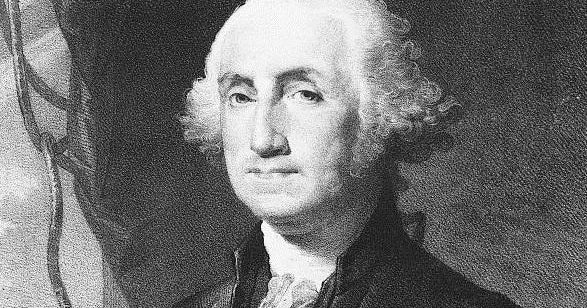
- The Lead: A lock of George Washington's hair has been sold by auction house Richmond Auctions for $4,000.
- The Context: The artifact represents a direct physical link to America's first president, a figure of immense historical significance.
- The Impact: The sale underscores the enduring market for presidential memorabilia and historical artifacts.
- What's Next: Further analysis of the provenance and the identity of the buyer may offer insights into the collector's market for such items.
In a quiet transaction that nonetheless resonates with historical significance, a lock of hair belonging to George Washington, the revered first president of the United States, has been sold for $4,000. The sale, facilitated by South Carolina-based auction house Richmond Auctions, brings a tangible piece of American foundational history into private hands, sparking renewed interest in the market for presidential memorabilia.
This modest sum for a relic of such magnitude prompts a deeper look into what drives the value of historical artifacts and the enduring connection Americans feel to their past. In this briefing, we explore the details of the sale, the historical context of such items, and the broader implications for how we preserve and value our heritage.
A Glimpse of the First President: The Auction Details
Richmond Auctions, a firm specializing in unique collectibles, announced the sale of the lock of George Washington's hair, confirming a transaction that captured attention among historians and collectors alike. While the final price of $4,000 may seem modest compared to some high-profile historical sales, it represents a significant acquisition for the buyer, offering a direct, physical link to the nation's first commander-in-chief.
The auction house provided details about the artifact, emphasizing its authenticity and provenance, crucial elements in the valuation of historical items. The sale itself is a testament to the ongoing demand for objects that connect us to pivotal moments and figures in American history, even centuries after their time.
The Auctioneer's Perspective
Representatives from Richmond Auctions highlighted the meticulous process involved in authenticating and presenting such significant historical pieces. Their role is to bridge the gap between historical artifacts and a public eager to own a piece of the past, ensuring that items like Washington's hair are handled with the respect and diligence they deserve.
“The enduring fascination with presidential artifacts reveals a deep-seated desire to connect with the figures who shaped our nation's narrative.”
From Life to Legacy: The Journey of a Relic
George Washington's life spanned a critical period of American formation, from the Revolution to the establishment of the presidency. Hair, often kept as mementos during the 18th and 19th centuries, served as intimate tokens of remembrance. This particular lock of hair is more than just a biological sample; it is a fragment of a personage who defined a nation's early struggles and triumphs.
The journey of such an artifact from Washington's time to the auction block is often a complex narrative involving preservation, private collections, and eventual public offering. Each transfer of ownership potentially adds layers to its story, while also raising questions about accessibility and the commodification of history.
The Personal Touch of History
The practice of collecting hair from notable figures was common in past centuries, serving as a deeply personal form of commemoration. For collectors, owning such an item offers a unique connection, a physical reminder of the individual's existence and impact beyond written records or portraits.
The Market for Memorabilia: Presidential Collectibles
The market for presidential memorabilia is a robust and often passionate segment of the antiques and collectibles world. Items associated with figures like Washington, Lincoln, and the Roosevelts can command prices ranging from hundreds to millions of dollars, depending on rarity, condition, and historical significance. Documents, personal effects, furniture, and even clothing associated with presidents are highly sought after.
The sale of Washington's hair, while not reaching astronomical figures, indicates that even smaller relics hold significant appeal. This market reflects not only financial investment but also a cultural appreciation for the individuals who have occupied the nation's highest office and shaped its trajectory.
Factors Influencing Value
Key factors driving the value of presidential memorabilia include direct association with significant historical events, documented provenance, the item's condition, and the overall historical importance of the individual. Authenticity is paramount, with rigorous verification processes often required.

Historical Reverence vs. Monetary Value
The $4,000 price tag for George Washington's hair prompts a consideration of the balance between historical reverence and monetary valuation. While the sum is substantial enough to indicate market demand, it also raises questions about whether such artifacts should be privately owned or remain in public institutions for broader access. The intrinsic value of connecting with a figure like Washington is immeasurable, yet the auction system assigns a tangible, monetary worth.
This dynamic is common across various historical collectibles. While some may view the sale as a simple transaction, others see it as an opportunity for preservation and study, arguing that artifacts gain their true value through their contribution to public understanding of history. The debate over ownership versus public stewardship is a recurring theme in the heritage sector.
The Collector's Motivation
Collectors often cite a passion for history, a desire to preserve a piece of the past, and the satisfaction of owning something unique and historically significant as their primary motivations. For some, it is an investment; for others, it is a deeply personal connection to history.
What the Future Holds for Presidential Artifacts
As time progresses, more artifacts from the lives of America's early leaders will inevitably surface through auctions and private sales. The sale of Washington's hair serves as a reminder of the constant interplay between historical preservation, market forces, and public interest. The decisions made by auction houses and buyers alike will continue to shape the accessibility and narrative surrounding these invaluable pieces of American heritage.
Looking ahead, the focus will remain on ensuring the authenticity and proper stewardship of such items. Whether they reside in private collections or public museums, their ultimate value lies in their ability to educate, inspire, and connect future generations to the foundational figures and events that shaped the United States.
Emerging Trends in Historical Collecting
The digital age has also influenced the way historical artifacts are viewed and valued, with online platforms expanding reach and accessibility. However, the tangible nature of items like Washington's hair continues to hold a unique appeal, representing a direct, physical link to the past that digital reproductions cannot fully replicate.
🎯 The Bottom Line
The $4,000 sale of George Washington's lock of hair underscores the enduring power of historical artifacts to capture public imagination and command value. It's a reminder that even small fragments of the past can carry immense weight, connecting us across centuries to the figures who forged the nation.
As this piece of history finds its new custodian, the Azeem USA Briefing will continue to monitor developments in the historical collectibles market and the ongoing conversation about preserving and valuing our shared heritage. Stay with us for further insights.
Subscribe to The Azeem USA Briefing for daily insights into the stories shaping our world.
📬 Reader Q&A: Key Questions Answered
Q: Who was George Washington?
George Washington was the first President of the United States, serving from 1789 to 1797. He was also the commander-in-chief of the Continental Army during the American Revolutionary War.
Q: What is provenance in historical artifacts?
Provenance refers to the history of ownership and origin of an artifact. It is crucial for verifying authenticity and determining an item's value and significance.
Q: What are presidential memorabilia?
Presidential memorabilia includes any item directly associated with a U.S. President, such as documents, personal belongings, furniture, or artifacts from their lives and administrations.
Q: Why is historical hair collected?
In past centuries, collecting locks of hair from notable individuals was a common practice for sentimental or memorial purposes, serving as a personal keepsake.
Q: What is the significance of the $4,000 sale price?
While not a record-breaking sum for presidential artifacts, $4,000 indicates a strong market interest in tangible pieces of history linked to foundational American figures like George Washington.
Comments
Post a Comment