The detention of a Princeton Ph.D. candidate after a scientific conference raises urgent questions about academic freedom and immigration policy.
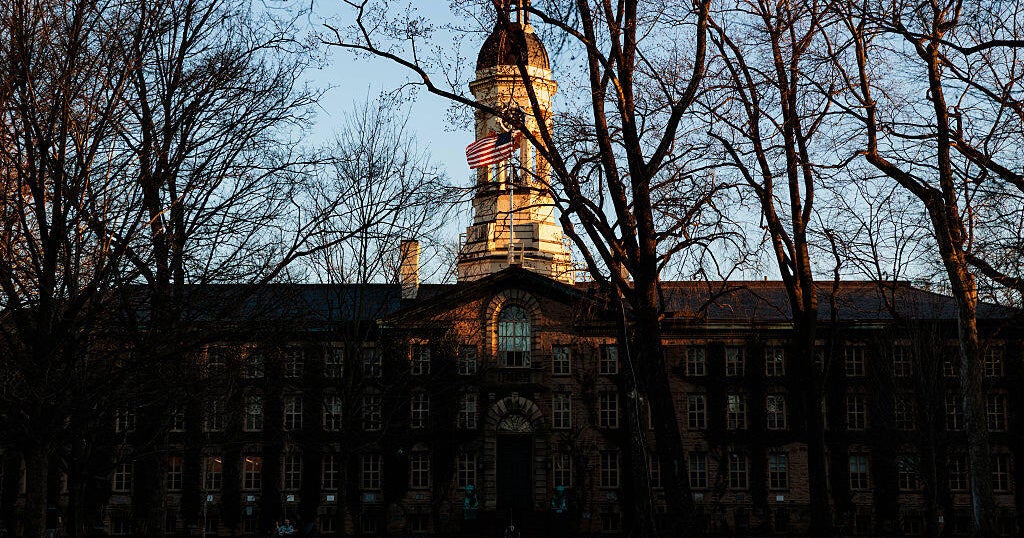
- The Lead: A third-year Princeton Ph.D. student, Eva Yi Xie, was detained by ICE agents following a presentation at a major neuroscience conference.
- The Context: The student was reportedly traveling after participating in the Society for Neuroscience's annual meeting, a prominent event for researchers.
- The Impact: The incident has ignited concerns about academic freedom, potential chilling effects on international researchers, and the intersection of scientific exchange with immigration enforcement.
- What's Next: Further details on the specific reasons for detention are expected, and academic institutions are likely to review travel and visa protocols for their students.
The bustling concourse of Reagan National Airport became an unexpected site of alarm for Eva Yi Xie, a third-year Ph.D. student at Princeton University, when she was detained by U.S. Immigration and Customs Enforcement (ICE) agents shortly after presenting her research. The incident, which occurred following her participation in the prestigious Society for Neuroscience conference, has sent shockwaves through the academic world, prompting immediate questions about the circumstances of her detention and its broader implications.
This briefing delves into the unfolding details of Xie's detention, exploring the context of the scientific conference, the initial reactions from academic institutions and advocacy groups, and the complex interplay between international talent, scientific research, and U.S. immigration policy. We examine the potential ramifications for scholars and the delicate balance between national security and fostering global intellectual exchange.
What We Know So Far: The Airport Detention
Eva Yi Xie, a doctoral candidate at Princeton University specializing in neuroscience, found herself detained by ICE officers at Ronald Reagan Washington National Airport. The detention reportedly occurred after she had concluded her participation in the Society for Neuroscience's annual meeting. Details surrounding the specific grounds for her apprehension remain scarce, with ICE yet to release a comprehensive statement detailing the exact reasons for the action.
Sources close to the situation indicate that Xie was in the process of traveling, presumably to return home or to her university, when the encounter with immigration officials took place. The Society for Neuroscience, a leading professional organization, has been alerted to the situation and is reportedly monitoring developments closely, emphasizing the importance of its members' ability to travel and participate in scientific discourse freely.
Immediate Concerns Emerge
The swift detention of a student researcher at a major transportation hub has immediately raised alarms among legal experts and university administrators, who are seeking clarity on the legal basis for the ICE action.
“The incident highlights a growing tension point for international scholars navigating U.S. academic and scientific landscapes.”
The Scientific Stage: Conference Context
The Society for Neuroscience's annual meeting is a cornerstone event for researchers in the field, drawing thousands of scientists from around the globe to share groundbreaking discoveries, foster collaborations, and discuss the latest advancements in brain research. Eva Yi Xie's presence there, presenting her Ph.D. work, signifies her active engagement in this vital scientific community. Such conferences are crucial platforms for intellectual growth, networking, and the dissemination of knowledge that can lead to significant scientific breakthroughs.
The Society for Neuroscience has historically advocated for policies that support the free exchange of scientific information and the ability of researchers worldwide to convene and collaborate. The detention of one of its participants, particularly a student presenter, disrupts this fundamental aspect of scientific progress and raises questions about the environment in which international researchers operate when engaging with U.S.-based scientific events. The organization's role in supporting its members during such incidents is critical.
A Global Gathering
The annual meeting serves as a critical nexus for global neuroscience, making any disruption to participants' travel and engagement a matter of significant concern for the entire research community.
Reactions and Academic Concerns
News of Xie's detention quickly circulated through academic circles, prompting a wave of concern and condemnation from universities, professional organizations, and immigration advocacy groups. Princeton University, in a statement, has confirmed its awareness of the situation and indicated that it is providing support to the student and her family. The university, like many others with a significant international student population, is grappling with the implications of such an incident for its students' safety and academic freedom.
Scholars and advocates are voicing fears that this detention could have a chilling effect on international students and researchers considering coming to the United States for academic or scientific purposes. The potential for increased scrutiny or unpredictable enforcement actions at ports of entry could deter talented individuals from participating in U.S. research institutions or conferences, ultimately hindering scientific advancement and America's standing as a global hub for innovation. The incident is seen by many as a stark reminder of the challenges faced by international scholars.
Calls for Transparency
Academic leaders are urging ICE and other relevant government agencies to provide clear explanations and ensure fair treatment for all students, regardless of their immigration status.

Navigating Immigration and Academia
The detention of Eva Yi Xie highlights the intricate and often challenging landscape that international students navigate when studying and conducting research in the United States. While the U.S. benefits immensely from the contributions of foreign-born talent in science, technology, engineering, and mathematics (STEM) fields, the immigration system can present significant hurdles. Students on F-1 visas, like Xie, are subject to specific regulations regarding their status, travel, and employment, and any perceived violation or misstep can lead to complications.
ICE's stated mission includes enforcing immigration laws, but the application of these laws in contexts involving academic conferences and research presentations is a point of contention. Critics argue that such detentions can be overly broad or based on insufficient information, disproportionately affecting individuals who are contributing positively to the U.S. academic and scientific ecosystem. The balance between national security concerns and the facilitation of legitimate academic pursuits remains a persistent challenge for policymakers and enforcement agencies.
Policy Implications
This event could spur renewed debate on immigration policies affecting international students and the procedures for detention and questioning at airports.
Looking Ahead: What's Next for Scholars
As the situation with Eva Yi Xie continues to unfold, the academic community will be watching closely for official statements from ICE and the Department of Homeland Security that provide clarity on the basis for her detention. The response from these agencies, and any subsequent actions taken, will set important precedents and inform how international students and scholars approach travel and participation in U.S.-based academic activities in the future. Universities are likely to review and potentially reinforce guidance for their international students regarding travel documentation and interaction with immigration officials.
Beyond this specific case, the incident is expected to fuel ongoing discussions about visa policies, the treatment of international researchers at ports of entry, and the overall welcoming environment for global talent in the United States. The ability to attract and retain top international minds is crucial for maintaining America's competitive edge in research and innovation. Therefore, ensuring a predictable and fair system for these individuals is paramount for the future of scientific discovery.
Monitoring Developments
Key milestones to watch include official statements from ICE, any legal challenges or advocacy efforts, and potential policy reviews by academic institutions and government bodies.
🎯 The Bottom Line
The Bottom Line: The detention of a Princeton student at Reagan Airport after a scientific conference is more than an isolated incident; it's a potent symbol of the ongoing tension between strict immigration enforcement and the vital need for open academic exchange. The lack of immediate, clear explanation from ICE fuels anxieties that are already high within the international academic community.
We will continue to monitor this story closely, providing updates as more information becomes available and analyzing the impact on academic freedom and the U.S.'s role as a global leader in research. Stay with The Azeem USA Briefing for the latest developments.
Subscribe to The Azeem USA Briefing for daily insights into the stories shaping America and the world.
📬 Reader Q&A: Key Questions Answered
Q: What happened to the Princeton student?
Eva Yi Xie, a third-year Ph.D. student at Princeton University, was detained by U.S. Immigration and Customs Enforcement (ICE) at Reagan National Airport after attending a neuroscience conference.
Q: Why is this significant?
The detention raises concerns about academic freedom, potential chilling effects on international scholars, and the intersection of immigration enforcement with scientific collaboration.
Q: What is the Society for Neuroscience?
It is a leading professional organization for scientists and physicians who conduct research and clinical practice related to the nervous system. Its annual meeting is a major event for the field.
Q: What are the potential consequences?
The incident could deter international students and researchers from coming to the U.S. or participating in academic events, potentially hindering scientific progress and innovation.
Q: What is expected to happen next?
More details are expected regarding the reasons for detention. Academic institutions may review travel policies, and there could be renewed calls for policy changes concerning international scholars.
Comments
Post a Comment