A Los Angeles jury's decision in the Palisades Fire case reverberates through a region grappling with wildfire devastation.
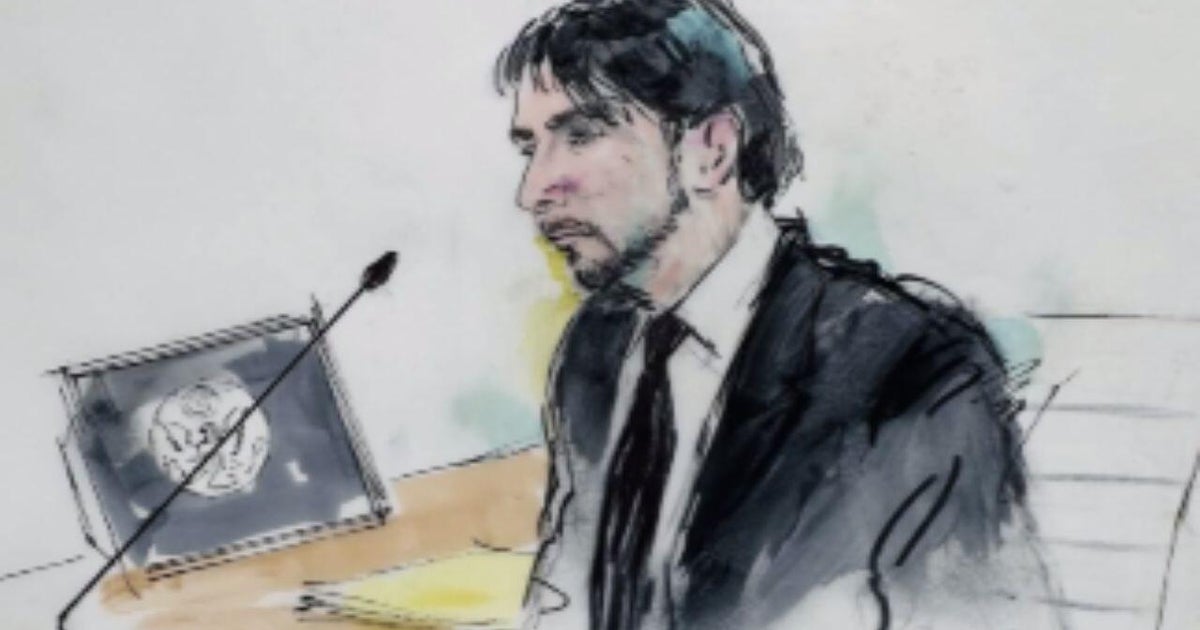
- The Lead: Jonathan Rinderknecht has been found guilty by a Los Angeles County jury of starting the 2025 Palisades Fire.
- The Context: The blaze, which erupted in 2025, grew into a destructive wildfire that impacted communities in the Palisades region.
- The Impact: The verdict brings a measure of closure to victims and highlights the severe penalties for arson in wildfire-prone areas.
- What's Next: Sentencing for Rinderknecht is pending, and the case may influence future wildfire prevention and prosecution strategies.
In a decision that reverberated through a community still bearing the scars of a devastating inferno, a Los Angeles County jury has found Jonathan Rinderknecht guilty of starting the blaze that became the destructive Palisades Fire in 2025. The verdict, delivered after weeks of testimony and deliberation, marks a pivotal moment in a case that has captivated a region acutely aware of its vulnerability to wildfire.
This conviction brings a legal conclusion to a chapter marked by loss, fear, and an arduous recovery. The Azeem USA Briefing breaks down the key findings of the trial, explores the impact on the affected communities, and examines the broader implications for wildfire prevention and accountability in an increasingly fire-prone landscape.
The Verdict: What the Jury Decided
The jury's finding of guilt against Jonathan Rinderknecht concludes a high-stakes legal battle centered on the origins of the 2025 Palisades Fire. Prosecutors presented evidence and witness testimony aimed at proving Rinderknecht's direct role in igniting the initial spark that rapidly escalated into a full-blown wildfire. The defense, conversely, sought to cast doubt on the prosecution's case, exploring alternative theories and challenging the chain of evidence.
The unanimous decision indicates that the jury found the prosecution's argument compelling, establishing Rinderknecht's culpability beyond a reasonable doubt. The specific charges on which he was convicted will shape the sentencing phase, carrying significant legal weight given the catastrophic nature of the fire.
Evidence and Deliberation
Sources close to the trial indicated that jury deliberations focused heavily on forensic evidence, eyewitness accounts, and Rinderknecht's own statements. The prosecution's ability to connect Rinderknecht's actions directly to the ignition point of the fire was reportedly a key factor in the jury's deliberations.
“The guilty verdict in the Palisades Fire case underscores the severe legal and societal consequences of arson in an era of heightened wildfire risk.”
The Palisades Fire: A Community's Ordeal
The Palisades Fire, which erupted in the spring of 2025, quickly became a symbol of the destructive power of wildfires in Southern California. Fueled by dry conditions and erratic winds, the blaze swept through canyons and residential areas, forcing thousands to evacuate and destroying numerous homes and structures. The ecological impact on the surrounding natural landscape was also profound.
Residents of the affected communities endured days of uncertainty, smoke-filled skies, and the terrifying possibility of losing everything. The fire's path left a trail of devastation, necessitating extensive recovery efforts that continue to shape the lives of those impacted. The memory of the fire remains a potent reminder of the region's ongoing battle with natural disasters.
Human and Economic Toll
Beyond the immediate destruction, the Palisades Fire inflicted significant economic hardship through property loss, business disruption, and the immense cost of firefighting and recovery operations. The psychological toll on residents, many of whom have faced multiple wildfire threats, is also a critical, though often unquantifiable, consequence.
Reactions: From Prosecutors to Residents
Following the verdict, District Attorney's office representatives expressed relief and satisfaction, emphasizing the importance of accountability in preventing future tragedies. They highlighted the diligent work of investigators and prosecutors in building a case against Rinderknecht, underscoring the severe consequences of arson.
Community leaders and residents in the affected areas offered mixed reactions, with many expressing a sense of justice being served. For some, the verdict provides a degree of closure after a period of immense stress and loss. However, others noted that no verdict can fully restore what was lost, and the focus must now shift to continued resilience and preparedness.
Political and Environmental Echoes
The case has drawn attention from environmental advocacy groups and policymakers concerned about wildfire mitigation. The conviction is being viewed by some as a victory for public safety and a signal that human negligence, when it leads to such destruction, will be met with legal force.

The Legal Landscape: Arson and Wildfire Law
The prosecution of arson cases, particularly those involving large-scale wildfires, presents complex legal challenges. Establishing direct causation between an individual's actions and the ignition and spread of a wildfire requires meticulous investigation and presentation of evidence. Laws governing arson are designed to punish intentional acts that endanger lives and property, with penalties often escalating based on the extent of the damage and the number of victims.
In California, a state with a high incidence of wildfires, laws are continually reviewed and sometimes strengthened to address the escalating threats posed by climate change and development in fire-prone zones. This case underscores the legal system's efforts to balance the rights of the accused with the imperative to protect communities from catastrophic events.
Precedents and Future Implications
Legal experts suggest that the Rinderknecht verdict could set a precedent for how similar cases are handled, particularly regarding the burden of proof and the types of evidence deemed admissible. The outcome may also encourage greater vigilance in fire prevention efforts and potentially lead to stricter enforcement of regulations aimed at reducing ignition risks.
Looking Ahead: Sentencing and Future Prevention
With the guilty verdict rendered, the legal proceedings now move to the sentencing phase for Jonathan Rinderknecht. The judge will consider the severity of the crimes, the extent of the damage caused by the Palisades Fire, and any relevant sentencing guidelines. This stage will determine the specific penalties Rinderknecht will face, which could include significant prison time.
Beyond the courtroom, the Palisades Fire case serves as a critical inflection point for wildfire preparedness and prevention strategies across the state and beyond. Authorities and community organizations are likely to redouble efforts in public education, forest management, and emergency response planning, recognizing that the threat of such destructive fires remains a persistent challenge.
Community Resilience
The long-term recovery for the communities impacted by the Palisades Fire will continue for years. The verdict is a step towards resolution for some, but the path forward involves rebuilding, restoring ecosystems, and strengthening the resilience of communities against future fire events. The lessons learned from this tragedy are crucial for shaping a safer future.
🎯 The Bottom Line
The conviction of Jonathan Rinderknecht in the Palisades Fire case brings a significant legal resolution to a devastating event. It highlights the profound consequences of arson and reinforces the ongoing struggle communities face against increasingly severe wildfire threats.
As Los Angeles County moves forward, the focus will remain on rebuilding, prevention, and ensuring that justice is served while simultaneously bolstering efforts to mitigate the impact of future wildfires. Thank you for joining us for this crucial briefing from The Azeem USA Briefing.
Subscribe to The Azeem USA Briefing for daily insights and analysis on the stories shaping America and the world.
📬 Reader Q&A: Key Questions Answered
Q: What was the Palisades Fire?
The Palisades Fire was a destructive wildfire that occurred in 2025, impacting communities in the Palisades region of Los Angeles County, California, causing significant property damage and forcing evacuations.
Q: Who is Jonathan Rinderknecht?
Jonathan Rinderknecht is the individual found guilty by a Los Angeles County jury of starting the 2025 Palisades Fire.
Q: What does the guilty verdict mean?
The guilty verdict means the jury found sufficient evidence to convict Rinderknecht of arson related to the Palisades Fire. He now faces sentencing.
Q: What are the potential penalties for arson in California?
Penalties for arson in California can be severe, including lengthy prison sentences and substantial fines, particularly when the crime results in significant property damage, loss of life, or widespread destruction like a major wildfire.
Q: How does this verdict impact wildfire prevention efforts?
The verdict reinforces the seriousness of arson and may encourage stricter enforcement and greater public awareness regarding fire safety, potentially influencing future prevention strategies and community preparedness initiatives.
Comments
Post a Comment