The apprehension of Fausto Isidro Meza-Flores triggers widespread violence, raising security concerns across the border.
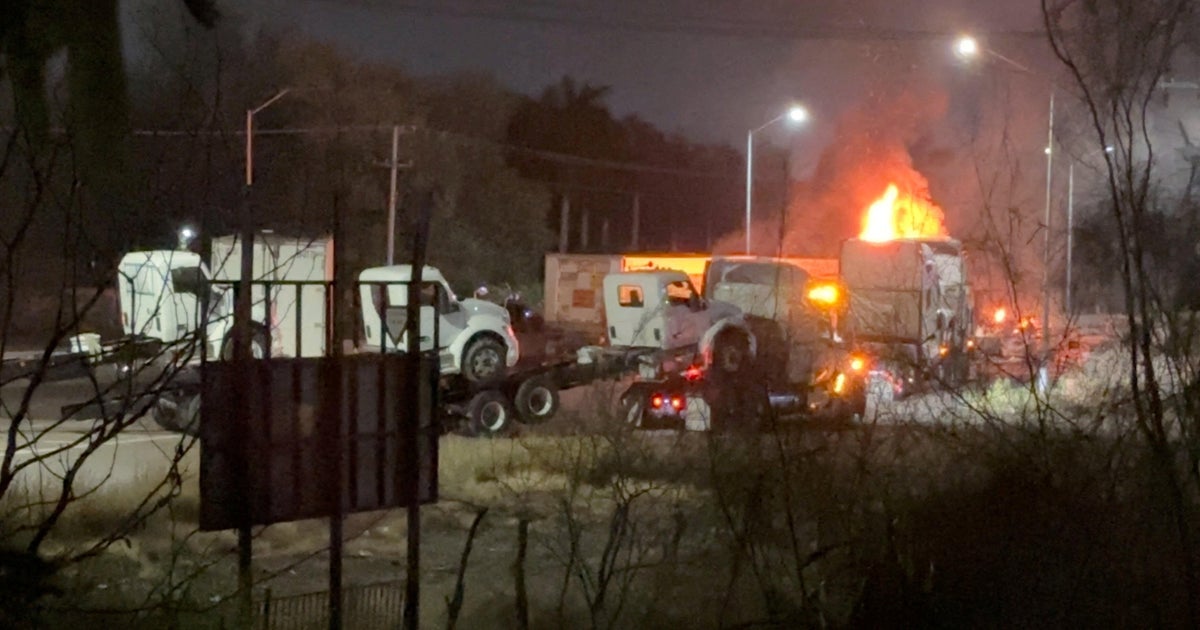
- The Lead: Mexican authorities have captured Fausto Isidro Meza-Flores, an alleged cartel leader sought by the FBI, leading to significant unrest.
- The Context: Meza-Flores is accused of leading a cartel involved in extensive drug distribution and importation operations.
- The Impact: The arrest triggered widespread violence, roadblocks, and armed confrontations, raising security concerns for both Mexico and the United States.
- What's Next: Expect continued security operations, potential cartel reprisals, and heightened border vigilance.
Chaos erupted across several Mexican states following the capture of Fausto Isidro Meza-Flores, a high-ranking figure in the drug trade allegedly responsible for extensive distribution and importation networks into the United States. The operation, which led to the arrest of the man described as a cartel leader, immediately triggered a cascade of violent responses, including armed blockades, shootouts, and the burning of vehicles, painting a grim picture of the ongoing struggle against organized crime.
This development is not merely a domestic law enforcement success; it is a stark reminder of the transnational threat posed by these criminal organizations and the intricate web of violence they can unleash. In this edition of The Azeem USA Briefing, we break down what happened, why it matters for regional stability, and what signals to watch in the coming days.
What We Know So Far: The Arrest and Immediate Unrest
Mexican security forces announced the apprehension of Fausto Isidro Meza-Flores, a name that has appeared on the radar of U.S. law enforcement for years. Meza-Flores is allegedly the leader of a cartel with significant operational capacity, involved in moving vast quantities of illicit substances across borders. The arrest itself, a significant intelligence and operational achievement, was swiftly followed by an organized and widespread display of force by elements connected to the cartel.
Reports from the ground described scenes of overt defiance: convoys of armed individuals blocking major highways, vehicles set ablaze to impede movement, and sporadic gunfire echoing through towns. These actions were not isolated incidents but appeared coordinated, designed to project power and potentially disrupt further law enforcement operations or retaliatory actions. The rapid escalation underscores the cartel's ability to mobilize and respond aggressively to perceived threats to its leadership.
The Catalyst for Chaos
While the precise details of the arrest operation are still emerging, the immediate trigger for the widespread violence was undoubtedly the capture of Meza-Flores. His alleged role as a cartel chieftain makes him a pivotal figure whose removal can destabilize an organization, leading to infighting or, as seen here, a united front of defiance against the state.
“The violence unleashed by the arrest underscores the deep-rooted power and reach of cartels operating with impunity in parts of Mexico.”
The Bigger Picture: Cartel Power and U.S. Involvement
Fausto Isidro Meza-Flores is not a new name in the annals of drug trafficking. His alleged cartel has been implicated in the flow of narcotics, particularly into the United States, making him a target of federal investigations. The U.S. Federal Bureau of Investigation (FBI) has previously sought individuals linked to such operations, highlighting the binational nature of the drug war. The capacity of these cartels to operate with such brazenness points to a complex mix of corruption, deep-rooted influence, and the immense profits derived from the illicit drug trade.
Historically, Mexico has grappled with powerful cartels that have, at times, exerted influence over regions and even government institutions. The current administration in Mexico has pledged to tackle organized crime, but operations like the one that captured Meza-Flores often reveal the persistent challenges and the sheer scale of the criminal infrastructure that has been built over decades. The U.S. strategy typically involves intelligence sharing, financial sanctions, and direct law enforcement cooperation, but the ultimate success hinges on Mexico's internal capacity and political will to dismantle these networks.
Precedent and Persistent Threats
The cycle of cartel leaders being apprehended, only to be replaced or to trigger further violence, is a grimly familiar pattern. This arrest, while a victory, is unlikely to be the end of the story, but rather another chapter in a long and bloody conflict.
Reactions & Fallout: Security Forces and Border Concerns
Following the initial outbreak of violence, Mexican security forces have reportedly been deployed in greater numbers to quell the unrest and re-establish control in affected areas. The focus is on preventing further escalation and ensuring the secure transfer and detention of Meza-Flores. However, the immediate aftermath of such an arrest often sees cartels attempting to secure their operations, potentially through intimidation or by facilitating the escape of other key figures.
For the United States, the immediate concern is the potential spillover effect on border security and the ongoing flow of narcotics. Increased vigilance at ports of entry and along the border is expected. U.S. officials are monitoring the situation closely, ready to provide support and intelligence to their Mexican counterparts. The volatility on the other side of the border can directly impact U.S. communities through increased drug availability and, in rare instances, direct confrontations.
Market and Political Ripples
While direct market impacts are difficult to quantify immediately, such instability can create uncertainty for businesses operating in Mexico and for investors. Politically, the incident places pressure on both the Mexican government to demonstrate its control and on U.S. policymakers to address the root causes of drug trafficking and demand.

Critical Fault Lines: State Capacity vs. Criminal Networks
The core tension exposed by this event is the ongoing struggle between the state's authority and the entrenched power of organized crime. While Mexico has made strides in professionalizing its security forces and improving intelligence gathering, the scale and sophistication of cartels like the one allegedly led by Meza-Flores present an immense challenge. The ability of these groups to mount such a rapid and forceful response suggests significant operational autonomy and reach, potentially indicating infiltration or a deep understanding of state vulnerabilities.
Analysts point to the need for a comprehensive strategy that goes beyond arrests, addressing the economic and social factors that contribute to cartel recruitment and influence. This includes tackling corruption, fostering economic development in vulnerable regions, and pursuing justice for past crimes. Without these broader efforts, the cycle of arrests and ensuing violence is likely to persist, creating a perpetual state of insecurity that undermines governance and human rights.
The Risk of Retaliation
A significant risk is the potential for organized retaliation by the cartel, not just against Mexican forces but also potentially against U.S. interests or individuals perceived as collaborators. This threat necessitates a heightened state of alert and coordinated intelligence sharing between the two nations.
On the Radar: The Path Forward and Potential Repercussions
The coming days will be critical in assessing the immediate aftermath of Meza-Flores's capture. Key milestones to watch include the official judicial proceedings against him, the response from other cartel factions, and any further attempts by his organization to exert pressure or sow chaos. Continued reports of violence or successful disruption of cartel operations will indicate the effectiveness of Mexico's response.
Further down the line, the long-term implications will depend on whether this arrest leads to a sustained disruption of the cartel's operations or merely a temporary setback. The international community, particularly the United States, will be watching for evidence of Mexico's commitment to dismantling these criminal enterprises and ensuring accountability. The effectiveness of binational cooperation in intelligence sharing and law enforcement will be paramount in navigating this complex security challenge.
Key Decisions Ahead
The Mexican government faces critical decisions regarding the prosecution of Meza-Flores, the protection of witnesses, and the deployment of resources to counter any ongoing threats. The U.S. will be evaluating the impact on drug flows and border security, potentially adjusting its own enforcement and aid strategies.
🎯 The Bottom Line
The Bottom Line: The capture of Fausto Isidro Meza-Flores is a significant development in the fight against drug cartels, but the immediate eruption of violence underscores the formidable challenge Mexico faces in asserting state control and dismantling these powerful criminal networks. The situation remains volatile, with implications extending across the border.
Thank you for reading The Azeem USA Briefing. We will continue to monitor this evolving story and bring you the critical context you need. Stay informed, and stay safe.
Subscribe to The Azeem USA Briefing for daily insights into the news shaping America and the world.
📬 Reader Q&A: Key Questions Answered
Q: Who is Fausto Isidro Meza-Flores?
He is allegedly the leader of a cartel involved in drug distribution and importation, and has been wanted on federal charges in the United States.
Q: What happened after his capture?
Widespread violence, including roadblocks and armed confrontations, broke out in several Mexican states.
Q: Why is this important for the U.S.?
The situation impacts U.S. border security, drug interdiction efforts, and the broader fight against transnational organized crime.
Q: What is the historical context?
Mexico has a long history of grappling with powerful cartels that exert significant influence and have, at times, challenged state authority.
Q: What should we watch for next?
Monitor ongoing security operations, potential cartel reprisals, judicial proceedings, and changes in border security measures.
Comments
Post a Comment