Tehran seizes on midterm results to argue American voters are turning against the prolonged conflict initiated by the Trump administration.
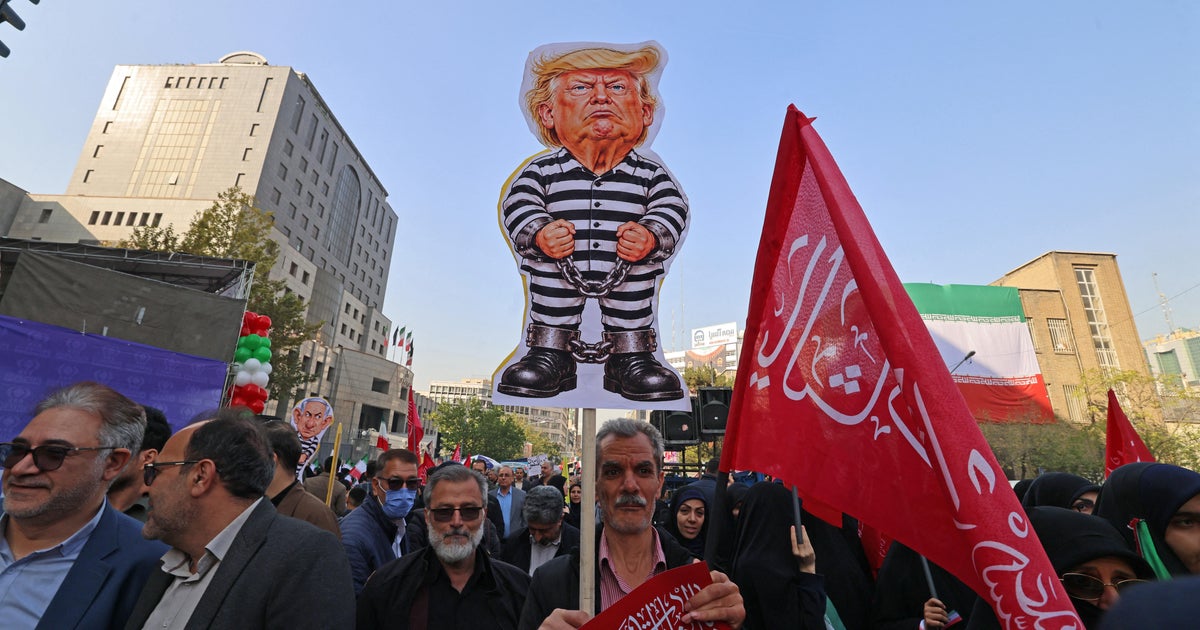
- The Lead: Iran's government stated that the US midterm election results demonstrate Americans' rejection of the war it has been engaged in for nine months.
- The Context: The conflict, initiated by the Trump administration alongside Israel, has entered a critical phase, impacting regional stability and US foreign policy.
- The Impact: Tehran's assertion aims to leverage domestic US political dynamics and potentially influence international perception of the conflict's legitimacy.
- What's Next: Watch for further official US responses and analysis from geopolitical experts on Iran's strategic messaging in the coming days.
In a significant geopolitical maneuver, Iran has declared that the results of the recent US midterm elections demonstrate a clear rejection by American voters of the war it has been involved in for the past nine months. The statement, emanating from Tehran, seeks to frame the conflict as a political liability for the current US administration and its allies.
This assertion by Iranian leadership injects a new layer of complexity into the ongoing conflict, which was initiated by the Trump administration alongside Israel. It elevates the war beyond its immediate regional implications to become a central theme in US domestic political discourse, prompting questions about public sentiment and the sustainability of American foreign policy objectives.
The War's Shadow Over the Midterms: Tehran's Interpretation
Iranian state media and officials have seized upon the US midterm election outcomes, interpreting them as a decisive verdict against the protracted war. According to their narrative, the election results reflect a growing public unease and a desire to disengage from overseas conflicts that have become economically and politically burdensome. This interpretation attempts to leverage domestic American political dynamics to bolster Iran's position on the international stage.
The timing of this declaration is strategic, aiming to capitalize on any perceived electoral disappointments or shifts in US political sentiment. By linking the war directly to electoral defeats, Iran seeks to undermine the rationale for its continuation and to foster a narrative of international isolation for the US-led coalition involved in the conflict.
Trump's Acknowledgment and Justification
Notably, the source material indicates that former President Trump, who initiated the conflict, acknowledged its role in the Republican party's electoral performance. However, he also maintained that he would have pursued the same course of action regardless, highlighting a persistent justification for the war's initiation despite its political repercussions.
“The assertion from Tehran casts a prolonged conflict as a direct liability for US political leadership, suggesting a turning tide in public opinion against sustained military engagement.”
Background to the Conflict: A Nine-Month Grind
The conflict, now in its ninth month, began under the Trump administration with a stated objective of countering regional aggression and ensuring stability. However, the prolonged nature of the engagement and its associated human and economic costs have become increasingly scrutinized both domestically and internationally. The war has involved complex geopolitical maneuvers and has had significant implications for the broader Middle East.
The involvement of Israel in the conflict, as mentioned in the source, adds another layer of regional tension. The strategic importance of waterways like the Strait of Hormuz further underscores the high stakes involved, making any escalation or prolonged engagement a matter of global concern. The persistence of the conflict raises questions about its ultimate objectives and the viability of achieving them through sustained military action.
Escalation and Regional Implications
Analysts point to a series of escalating events and counter-actions that have drawn the US and its allies deeper into the conflict. The strategic implications extend beyond immediate military objectives, affecting global trade routes, energy markets, and diplomatic relations across the region.
Official Reactions and Shifting Narratives
The official response from the US administration to Iran's interpretation of the election results has been measured, emphasizing continued commitment to regional security and deterrence. However, the political fallout from the midterms is undeniable, with various factions within the US political spectrum re-evaluating foreign policy priorities and the effectiveness of prolonged military engagements.
The narrative surrounding the war is clearly becoming more contested. Iran's government is actively working to shape international perception by framing the conflict as unpopular and detrimental to US interests, a strategy designed to erode support for continued US involvement and to rally opposition against the war's architects.
Market and Political Ripples
While direct market reactions to Iran's statement may be muted, the underlying tension in the Strait of Hormuz and the broader regional instability continue to be factors influencing global energy markets. Politically, the statement adds pressure on policymakers to justify the ongoing military commitment and to address public concerns about costly foreign entanglements.

The Competing Arguments: Security vs. Public Will
At the heart of the debate lies a fundamental tension between the perceived necessity of military action for national security and the democratic principle of respecting the public's will, as expressed through elections. Iran's leadership is actively highlighting this dichotomy, suggesting that the US is out of step with its own populace by continuing the war.
Proponents of the war argue that disengagement would embolden adversaries, destabilize the region further, and potentially lead to greater threats down the line. They often cite specific intelligence or strategic assessments to justify the ongoing military presence. Conversely, critics point to the immense human cost, the financial burden, and the potential for unintended escalation, arguing that diplomatic solutions or a reduced military footprint are more prudent strategies.
The Role of Public Opinion
The critical question remains: to what extent do election results truly reflect a definitive public mandate against the war, versus a broader set of domestic concerns that influenced voters? Analysts suggest that while the war may be a contributing factor, other issues likely played significant roles in voter decisions.
Looking Ahead: What the Election Fallout Means
The declaration from Iran sets the stage for a renewed debate over the war's future. The US administration and its allies will need to articulate a clear and compelling rationale for continued engagement, especially in light of Iran's attempt to frame it as politically untenable. The coming weeks and months will likely see intensified diplomatic signaling and strategic posturing.
Key upcoming milestones will include further policy reviews, potential shifts in military strategy, and the ongoing international discourse surrounding the conflict's objectives and outcomes. The ability of the US to effectively counter Iran's narrative and to demonstrate the ongoing necessity and strategic value of its military presence will be crucial.
Signals to Watch
Observers will be watching for any concrete policy changes stemming from the election results or from Iran's strategic messaging. This includes potential adjustments in troop deployments, shifts in diplomatic engagement with regional actors, and public statements from key political figures outlining the path forward.
🎯 The Bottom Line
The Bottom Line: Iran's assertion that US election results signal a rejection of the war is a calculated geopolitical move designed to exploit domestic political divisions. While the extent to which the war directly influenced the midterms is debatable, the statement underscores the growing international scrutiny and the challenge of maintaining public and political support for prolonged military conflicts.
As we navigate this complex geopolitical landscape, The Azeem USA Briefing will continue to provide authoritative analysis on the unfolding events and their implications. Stay informed, stay engaged.
Subscribe to The Azeem USA Briefing for daily insights into the stories shaping America and the world.
📬 Reader Q&A: Key Questions Answered
Q: What is the current status of the war Iran is referring to?
The conflict, initiated by the Trump administration alongside Israel, has been ongoing for nine months and involves significant regional tensions.
Q: How did Iran link the US election results to the war?
Iran's leadership stated that the election outcomes demonstrate American voters' rejection of the war, suggesting it has become a political liability.
Q: Did former President Trump acknowledge the war's impact on elections?
Yes, the source material indicates he acknowledged its role in the GOP's electoral defeat but maintained he would have pursued the same action.
Q: What is the significance of the Strait of Hormuz?
The Strait of Hormuz is a critical strategic waterway, and its potential instability is a key factor in regional tensions and global energy markets.
Q: What should we watch for next regarding this situation?
Key developments to watch include official US responses, geopolitical analysis of Iran's messaging, and any potential policy shifts related to the conflict's future.
Comments
Post a Comment