The apprehension of a high-value cartel figure in Sinaloa signals a significant blow against organized crime, with immediate implications for regional stability and U.S. law enforcement efforts.
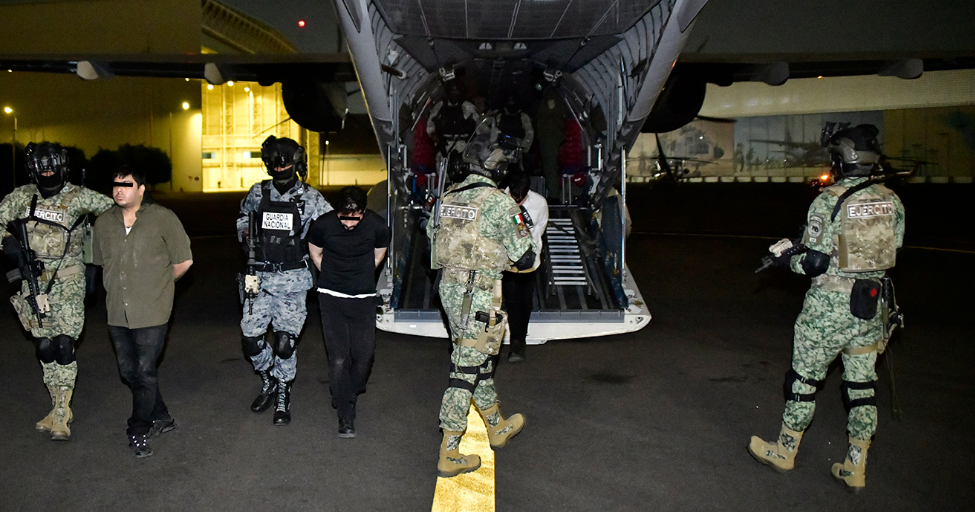
- The Lead: Fausto Isidro Meza Flores, alias 'Chapo Isidro,' a high-ranking cartel leader, was apprehended in Sinaloa, Mexico, during a joint operation.
- The Context: Meza Flores is a key figure linked to the powerful Sinaloa Cartel and has been a target for U.S. and Mexican authorities for years.
- The Impact: The arrest has led to additional apprehensions and heightened security concerns, potentially disrupting drug trafficking routes.
- What's Next: Focus shifts to the legal proceedings against Meza Flores and the ongoing investigations into his network and potential successors.
In the pre-dawn hours in the rugged terrain of Sinaloa, Mexico, a meticulously planned operation culminated in the capture of Fausto Isidro Meza Flores, known on both sides of the border as 'Chapo Isidro.' The fugitive, a high-ranking figure within the powerful Sinaloa Cartel and a perennial target for U.S. law enforcement, was apprehended during a special forces raid that underscored the deepening, albeit often complex, collaboration between Mexican authorities and U.S. intelligence agencies.
This significant arrest, placing a kingpin on the FBI's most wanted list behind bars, is more than just a procedural victory; it's a development with immediate and far-reaching consequences. It promises to send ripples through the illicit drug trade, potentially ignite internal power struggles within the cartel, and invigorate ongoing efforts to dismantle the vast criminal networks that have long plagued both nations. This briefing delves into the details of the operation, the profile of 'Chapo Isidro,' the ensuing fallout, and what this pivotal moment portends for the future of drug trafficking and security in the region.
The Raid in Sinaloa: What We Know So Far
The operation that led to the arrest of Fausto Isidro Meza Flores was the result of extensive intelligence gathering and coordinated tactical planning. Mexican special forces, acting on information developed in partnership with U.S. intelligence, executed a raid in a remote area of Sinaloa state. Reports indicate the capture was swift and without major incident, a testament to the precision of the operation. 'Chapo Isidro' has long been considered a lieutenant within the Sinaloa Cartel, responsible for significant portions of its drug trafficking operations, particularly cocaine and methamphetamine, into the United States.
His alleged criminal activities have also been linked to extreme violence, including extortion, kidnapping, and murder, making him a priority for both Mexican federal forces and U.S. federal agencies like the FBI and the Drug Enforcement Administration (DEA). The U.S. Department of Justice had previously offered a substantial reward for information leading to his arrest and conviction, highlighting his status as a key figure in the cartel hierarchy.
Intelligence-Driven Apprehension
The success of the raid hinges on the critical role of intelligence sharing. U.S. agencies, leveraging their global surveillance capabilities and informant networks, provided crucial data points that enabled Mexican forces to pinpoint Meza Flores's location and execute the operation effectively.
“This operation underscores the persistent, high-stakes international cooperation required to dismantle complex criminal enterprises that fuel violence and instability across borders.”
The Rise of 'Chapo Isidro': A Cartel Power Broker
Fausto Isidro Meza Flores, alias 'Chapo Isidro,' emerged as a significant player within the Sinaloa Cartel, a criminal organization that has historically dominated the international drug trade. He is believed to have risen through the ranks, cultivating influence and operational control over vast trafficking networks stretching from South America to the U.S. Midwest. His alleged responsibilities included managing the logistics of moving immense quantities of illicit narcotics, coordinating with various cells, and enforcing territorial control through brutal means.
The U.S. indictment against him details charges including conspiracy to distribute cocaine and methamphetamine, as well as engaging in a continuing criminal enterprise. His capture is seen as a direct blow to the operational capacity of the cartel, potentially disrupting supply lines and creating a leadership vacuum that could lead to internal instability or infighting among ambitious rivals vying for control.
A Legacy of Violence and Trafficking
Meza Flores's notoriety stems not only from the scale of his alleged trafficking operations but also from the extreme violence attributed to his faction, a hallmark of cartel warfare in Mexico.
Immediate Fallout: Arrests and Regional Tremors
The apprehension of 'Chapo Isidro' has already triggered a wave of secondary arrests and heightened security alerts across Mexico. Authorities are reportedly pursuing leads generated by Meza Flores's capture, aiming to dismantle the broader network of lieutenants, enforcers, and financial operatives connected to him. This cascade effect is a common tactic in sophisticated law enforcement operations, designed to maximize the impact of a high-value arrest by disrupting as many layers of the criminal organization as possible.
In the short term, the arrest could lead to increased violence as other factions within or rival to the Sinaloa Cartel attempt to exploit the perceived power vacuum. Law enforcement agencies in both Mexico and the United States are on high alert, monitoring potential retaliatory actions or power plays. The economic impact, while difficult to quantify precisely, could involve temporary disruptions in drug flows and associated financial activities, though the cartel's resilience often means operations adapt quickly.
Law Enforcement Mobilization
The coordinated response highlights the interconnectedness of criminal networks and the necessity for a swift, unified approach from authorities to mitigate immediate threats.

The U.S.-Mexico Nexus: A Shared Battle
The capture of Fausto Isidro Meza Flores is a potent symbol of the ongoing, complex, and often fraught security partnership between the United States and Mexico. While the operation was executed by Mexican forces, the critical role of U.S. intelligence and investigative agencies underscores a shared commitment to combating transnational criminal organizations. The FBI's inclusion of Meza Flores on its most wanted list, coupled with substantial reward offers, signaled the high priority the U.S. places on his apprehension.
This collaboration, however, is not without its challenges. Issues of sovereignty, trust, and differing strategic priorities can complicate joint efforts. Yet, successes like this demonstrate that when intelligence flows effectively and tactical operations are coordinated, the combined capabilities of both nations can yield significant results. The ongoing fight against drug cartels is fundamentally a shared problem, requiring sustained, high-level cooperation to address the root causes and devastating consequences of the illicit drug trade.
A Partnership Under Pressure
Despite political complexities, the operational reality of combating cartels necessitates a robust and continuous alliance between U.S. and Mexican security forces.
Looking Ahead: What the Capture Means for the Cartel Landscape
The immediate future for the Sinaloa Cartel, and indeed the broader Mexican drug trafficking landscape, is now subject to significant uncertainty following the arrest of 'Chapo Isidro.' Analysts suggest that his capture will likely trigger a period of internal contention as lieutenants and rivals vie for his position and influence. This could lead to a temporary fragmentation of control or a consolidation under a new, potentially more ruthless, leadership figure. The DEA and Mexican authorities will be closely watching for these shifts.
Furthermore, the ongoing legal proceedings against Meza Flores, including potential extradition to the U.S., will be closely monitored. His testimony, if secured, could provide invaluable intelligence on the cartel's operations, financial structures, and key players, potentially leading to further indictments and arrests. The long-term impact will depend on the cartel's ability to absorb this blow, the effectiveness of ongoing enforcement efforts, and the broader socio-economic factors that contribute to the enduring power of these criminal organizations.
Navigating the Post-Capture Era
The real test lies in whether this high-profile arrest leads to lasting disruption or merely a temporary reshuffling of power within the entrenched world of organized crime.
🎯 The Bottom Line
The Bottom Line: The capture of Fausto Isidro Meza Flores is a significant tactical victory against a major drug lord, demonstrating the power of international intelligence cooperation. However, it is one battle in a long and complex war against deeply entrenched criminal organizations whose resilience has been proven time and again.
As we continue to monitor the fallout from this arrest, subscribe to The Azeem USA Briefing for authoritative analysis and updates on the critical stories shaping our world. Stay informed, stay ahead.
Subscribe to The Azeem USA Briefing for daily insights into the stories that matter most.
📬 Reader Q&A: Key Questions Answered
Q: Who is Fausto Isidro Meza Flores, alias 'Chapo Isidro'?
He is a high-ranking leader within the Sinaloa Cartel, accused of extensive drug trafficking operations and associated violence, and was listed on the FBI's Most Wanted Fugitives list.
Q: What is the significance of his capture?
It represents a major blow to the Sinaloa Cartel's operational capacity and leadership structure, and is a testament to successful U.S.-Mexico law enforcement cooperation.
Q: What are the immediate consequences of the arrest?
The arrest has led to further arrests of associates and heightened security concerns, potentially triggering internal power struggles within the cartel.
Q: How does this impact the drug trade?
It is expected to cause temporary disruptions in drug supply chains and may lead to shifts in trafficking routes and operational control, though cartels often adapt quickly.
Q: What happens next?
Focus will be on legal proceedings against Meza Flores, ongoing investigations into his network, and monitoring for signs of cartel restructuring or retaliatory violence.
Comments
Post a Comment