As Democrats consolidate control of Congress, the party charts a new legislative course while Republicans confront a moment of profound electoral defeat.
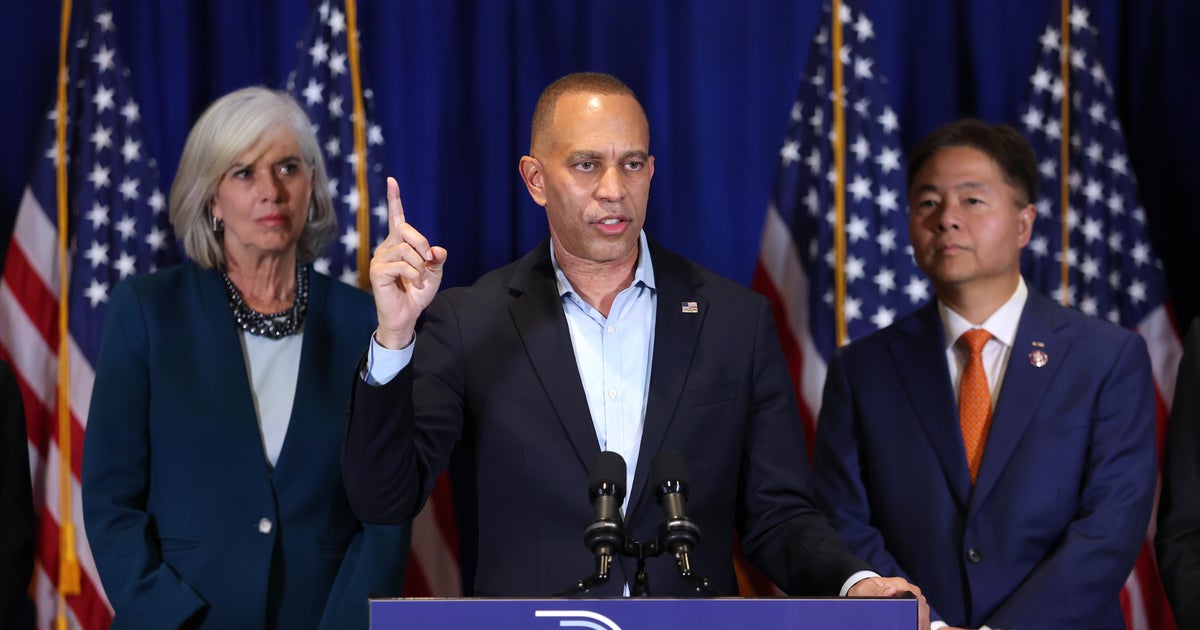
- The Lead: Democrats have secured control of both the House and Senate following significant midterm election victories.
- The Context: The results signal a major setback for President Trump and the Republican party, defying many pre-election predictions.
- The Impact: Power in Washington flips, enabling Democrats to set the legislative agenda and potentially block Republican initiatives.
- What's Next: The party begins outlining its legislative priorities, while Republicans assess their strategy and leadership moving forward.
In a stunning turn of events that has reshaped the American political map, Democrats have achieved sweeping victories in the midterm elections, securing control of both the House of Representatives and the Senate. The projections, confirmed late Tuesday and into Wednesday morning, delivered a decisive mandate that many analysts had not fully anticipated, signaling a profound shift in Washington's power dynamics.
As the dust settles on election night, the Democratic party is rapidly outlining its strategy for wielding this newfound legislative power, while President Trump and the Republican establishment grapple with the unexpected scope of their losses. This briefing delves into the immediate aftermath, the historical context, and the critical implications for the nation's policy direction.
The Sweep: What the Results Tell Us
The electoral map has been dramatically redrawn, with Democratic candidates demonstrating broad appeal across key districts and states. The anticipated Republican wave failed to materialize, replaced instead by a surge of Democratic wins that have flipped control of both chambers of Congress. This outcome is a clear repudiation of the GOP's midterm strategy and a resounding endorsement of the Democratic platform, particularly on issues resonating with suburban voters and younger demographics.
Key races that were closely watched across the country ultimately broke in favor of the Democrats, exceeding expectations and delivering a clear majority in the House. The Senate, often considered a more challenging battleground, also saw decisive Democratic victories, consolidating their power and setting the stage for a legislative agenda that will likely diverge sharply from what Republicans had envisioned.
Key Victories and Unforeseen Gains
The narrative of the night was one of Democratic resilience and strategic advantage, with victories in races that were previously considered safe Republican territory. This suggests a fundamental shift in voter priorities and a successful mobilization of Democratic constituencies.
“The midterm results represent a profound realignment, handing Democrats the legislative reins and forcing Republicans into a period of intense introspection.”
Navigating the Political Divide: The Path Forward
With control of Congress, Democrats are now poised to implement their legislative priorities, setting the agenda for the remainder of President Trump's term. Their platform emphasizes areas such as infrastructure investment, climate action, and healthcare reform, all of which are expected to be front and center in the coming legislative sessions. The challenge, however, lies in navigating a deeply polarized political environment and potentially facing significant pushback from the opposition.
The party's leadership has signaled a focus on unity and a pragmatic approach to governance, aiming to deliver tangible results for their constituents. However, internal divisions within the Democratic party on certain policy nuances could still present obstacles. The immediate task will be to coalesce around a legislative strategy that balances progressive ideals with the need for bipartisan appeal where possible.
Setting the Legislative Agenda
Democrats are expected to prioritize oversight of the Trump administration and push forward legislation that reflects their campaign promises, though the Senate's narrower majority may require careful negotiation.
Republican Reckoning: Facing the Fallout
The Republican party is confronting a significant electoral defeat that has left its leadership and strategists in a state of shock. The expected gains did not materialize, forcing a critical re-evaluation of the party's messaging, strategy, and its relationship with President Trump. The election results raise immediate questions about the future direction of the GOP and its ability to win back broad segments of the electorate.
President Trump, a central figure in the party's identity and electoral success, is now facing increased scrutiny. His reaction to the losses, and the subsequent internal debates, will be pivotal in shaping the Republican party's path forward. Observers anticipate a period of introspection and potential leadership challenges as the party seeks to understand and address the reasons behind its widespread underperformance.
Assessing the Damage and Future Strategy
The Republican party must now contend with a diminished presence in Congress, limiting its ability to influence policy and its capacity to block the Democratic agenda.

The Stakes: Policy, Power, and the Presidency
The implications of these midterm results extend far beyond the immediate legislative battles. With Democrats controlling Congress, the balance of power in Washington has fundamentally shifted, impacting everything from judicial appointments to regulatory oversight. The administration's ability to enact its agenda will be severely curtailed, and Democrats are likely to intensify their oversight functions.
Furthermore, this outcome has significant ramifications for the 2024 presidential election. The performance of both parties in this midterm cycle provides crucial insights into voter sentiment and the political landscape, setting the stage for the next presidential contest. The Democratic victories could embolden potential challengers and reshape the dynamics of the Republican primary, should President Trump seek re-election.
Checks and Balances Redefined
The Democratic control of Congress now serves as a significant check on the executive branch, altering the traditional flow of power and policy initiative.
Looking Ahead: What to Watch in the Coming Months
The coming weeks and months will be critical for both parties as they navigate this new political reality. Democrats will focus on consolidating their power, organizing their caucuses, and beginning the process of legislating. Key priorities will include setting committee assignments and preparing for the first legislative battles of the new Congress.
For Republicans, the immediate future will involve introspection, strategic planning, and potentially internal debates about leadership and direction. The party must decide how to effectively oppose the Democratic agenda while also finding common ground on critical national issues. The actions and statements of President Trump will continue to be a major factor in this ongoing process.
Key Milestones to Monitor
Pay close attention to early legislative proposals from Democrats, the Republican response, and any shifts in party leadership or strategy that emerge in the wake of these results.
🎯 The Bottom Line
The bottom line is clear: the midterm elections delivered a significant mandate for change, empowering Democrats to shape the legislative agenda and placing the Republican party in a defensive posture. The coming congressional sessions will be defined by this shift in power, with critical policy battles and political maneuvering expected to intensify.
This is a pivotal moment in American politics, the repercussions of which will be felt for years to come. We will continue to provide in-depth analysis and breaking news as this story develops. Thank you for joining us at The Azeem USA Briefing.
Subscribe to The Azeem USA Briefing for daily, authoritative news analysis delivered directly to your inbox.
📬 Reader Q&A: Key Questions Answered
Q: What does Democratic control of Congress mean for President Trump's agenda?
Democratic control significantly limits President Trump's ability to pass new legislation and increases the likelihood of congressional oversight and investigations into his administration.
Q: What are the key policy areas Democrats are likely to focus on?
Democrats are expected to prioritize issues such as climate change, healthcare access, infrastructure investment, and potentially social justice reforms, alongside oversight of the executive branch.
Q: How will this affect the 2024 presidential election?
The results provide a strong indicator of voter sentiment and could influence potential candidates and campaign strategies for both parties heading into the next presidential cycle.
Q: What is the immediate challenge for the Republican party?
Republicans face the challenge of reassessing their electoral strategy, addressing internal divisions, and determining their leadership and messaging moving forward after substantial losses.
Q: Will legislative progress be difficult with a divided government (though Congress is now unified under Democratic control)?
While Democrats control both chambers, achieving broad legislative success will still require navigating internal party differences and potentially seeking bipartisan support on certain issues to overcome potential filibusters or executive opposition.
Comments
Post a Comment