
Conflicting narratives emerge over alleged Starlink speed restrictions impacting Ukraine's war effort, raising questions of private sector influence on national security.
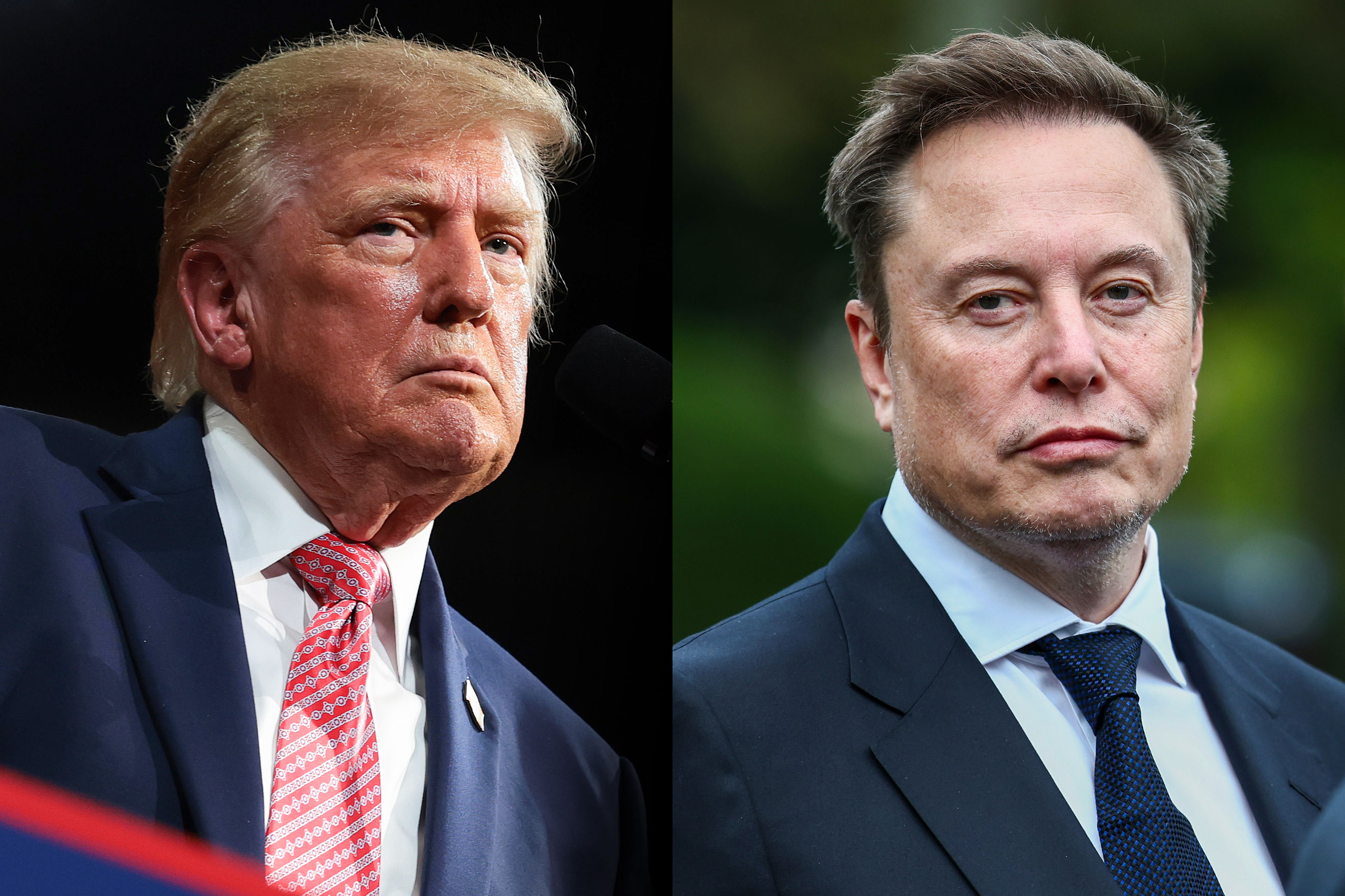
- The Lead: U.S. officials deny ordering Starlink speed cuts for Ukraine, placing responsibility on Elon Musk's SpaceX.
- The Context: Reports emerged of intentional throttling of Starlink services, potentially hindering Ukraine's military communications.
- The Impact: The dispute highlights the complex relationship between private technology firms and government support in geopolitical conflicts.
- What's Next: Continued diplomatic efforts and scrutiny of Starlink's operational decisions in active war zones.
A quiet dispute over satellite internet speeds in the crucible of the Ukraine war has erupted into a public disagreement, casting a spotlight on the intricate and often fraught relationship between private enterprise and global conflict.
Reports circulating this week suggested that Elon Musk's Starlink, a vital communications tool for Ukrainian forces, had its speeds intentionally throttled, prompting swift denials from Washington and raising urgent questions about the extent of private sector control over critical wartime infrastructure. This briefing unpacks the conflicting accounts and the significant implications for Ukraine's defense and the future of technology in conflict zones.
What We Know So Far: The Allegations Surface
The controversy centers on accusations that Starlink’s satellite internet service, provided by Elon Musk’s SpaceX, experienced significant slowdowns impacting Ukraine's military operations. These reports suggest that the reduction in speed was not a technical malfunction but a deliberate act, potentially limiting Ukraine's ability to coordinate attacks and maintain secure communications on the front lines. The Starlink system, along with its military-grade counterpart Starshield, has become a linchpin in Ukraine's communication strategy since the full-scale Russian invasion began.
The timing of these allegations is critical, as Ukraine continues to rely on such advanced technologies to counter Russian aggression. The potential for such a vital communication lifeline to be intentionally hampered has sent ripples of concern through Kyiv and among its international partners, highlighting the dependence on a private entity for a function with direct national security implications.
The Initial Reports and Their Ramifications
Details surrounding the initial reports remain somewhat opaque, with various sources pointing to disruptions that affected drone operations and other critical military functions. The implication is that these were not random outages but targeted restrictions, sparking immediate diplomatic and strategic reassessment.
““We cannot direct a private company as to the decisions they make or not make,” Secretary of State Rubio stated, underscoring the delicate balance of influence.”
Washington's Stance: Denials and Distinctions
U.S. officials, including Secretary of State Antony Blinken and Senator Marco Rubio, have strongly pushed back against any suggestion that the White House or any government entity directed SpaceX to curtail Starlink services for Ukraine. Rubio, speaking from Mumbai, explicitly stated that the U.S. government cannot compel a private company like SpaceX to make specific operational decisions. He characterized the situation as one of corporate autonomy, suggesting any changes to service were solely up to Elon Musk.
Rubio’s previous remarks, indicating that he believed “nobody” ordered a slowdown and that it simply “sort of happened,” further complicate the narrative. This stance attempts to draw a clear line between government support for Ukraine and the operational choices of private technology providers, even when those choices have profound battlefield consequences. The State Department's engagement with Ukrainian President Zelensky aimed to de-escalate tensions surrounding the issue.
Diplomatic Maneuvering Amidst Confusion
The official U.S. position seeks to distance Washington from any direct involvement in Starlink's service adjustments, framing it as a matter for SpaceX to manage. This approach underscores the complexities of relying on private technology for national security purposes.
Musk's Domain: SpaceX's Control and Motivations
Elon Musk, through his company SpaceX, holds the ultimate decision-making authority over Starlink's operations. While SpaceX has been a crucial partner in providing internet connectivity to Ukraine, its services are not without cost, and Musk has publicly expressed concerns about the financial burden of sustaining the service indefinitely. This financial dimension is often cited as a potential motivator for any operational adjustments.
Musk's own public pronouncements and his often unconventional approach to business and geopolitics add another layer of complexity. While he has been a vocal supporter of Ukraine's resilience, his company's actions are ultimately driven by business considerations, which can sometimes create friction with the strategic objectives of governments. The specific reasons behind any alleged speed reductions remain unconfirmed by SpaceX directly, leaving room for speculation about technical issues, cost-saving measures, or strategic shifts.
The Financial Equation of Satellite Support
The ongoing financial commitment required to maintain Starlink's presence in Ukraine has been a recurring theme, suggesting that economic factors could play a significant role in SpaceX's decisions regarding service provision.
The Stakes on the Battlefield and Beyond
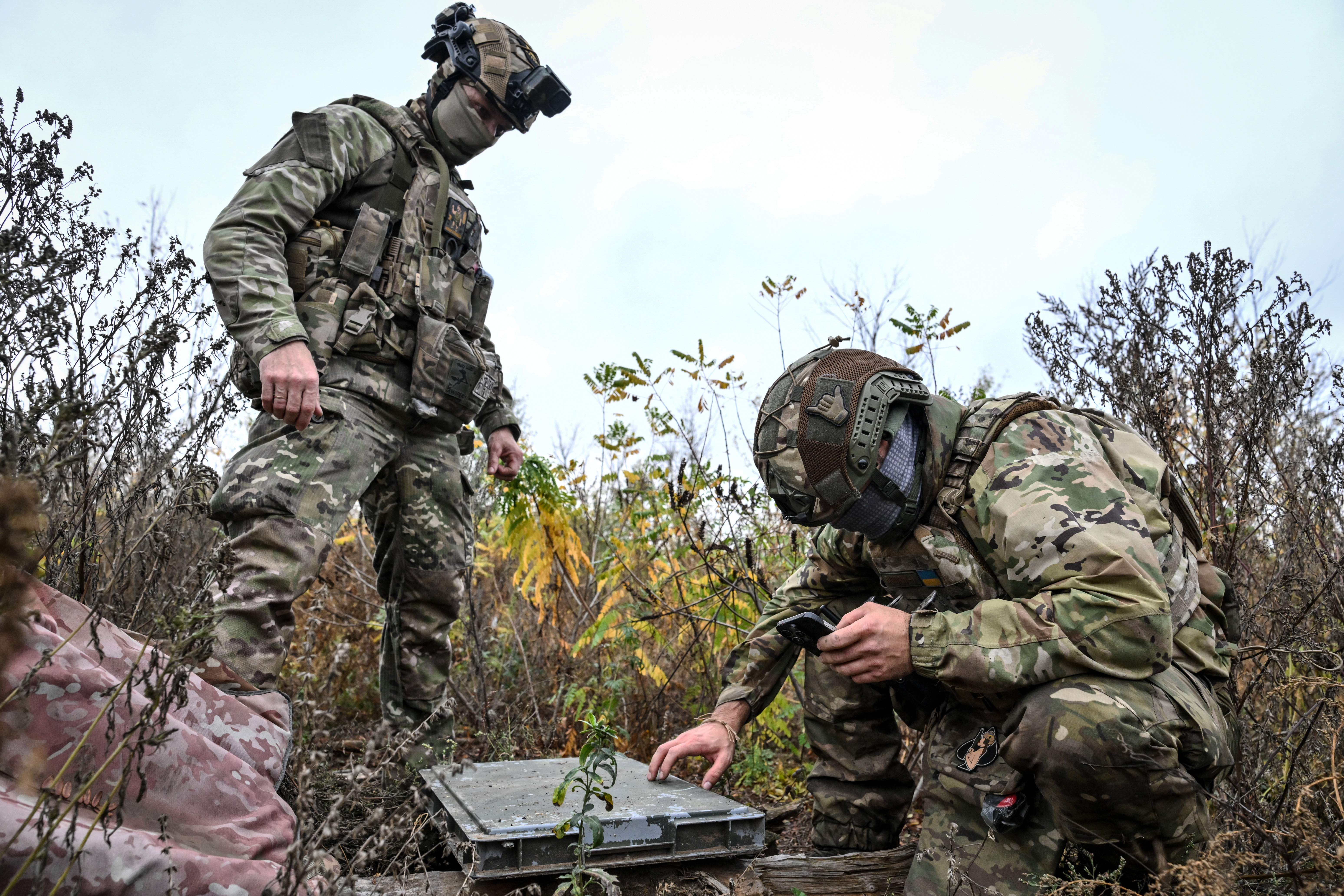
The reliability of Starlink is paramount for Ukraine's military. Reports of speed reductions, regardless of their cause, directly impact the effectiveness of Ukrainian forces, potentially affecting their ability to conduct reconnaissance, coordinate artillery fire, and maintain command and control. This vulnerability underscores a broader strategic risk: the dependence on a single private provider for a critical component of national defense.
Beyond the immediate battlefield, this situation raises significant questions about the role of private technology in international relations and conflict. It highlights the potential for private companies, driven by their own interests, to wield considerable influence over geopolitical events, creating a new dynamic in global security where corporate decisions can have the weight of state actions. The lack of absolute government control over such essential services presents a novel challenge for policymakers.
Geopolitical Implications of Private Infrastructure
The incident serves as a stark reminder of the evolving landscape of warfare, where private technology firms are increasingly becoming critical infrastructure providers, blurring the lines between public and private spheres of influence.
Looking Ahead: Navigating Tech and Geopolitics
As the situation unfolds, several key developments will be crucial to monitor. Continued diplomatic engagement between the U.S., Ukraine, and SpaceX will be essential to clarify the operational status of Starlink and to prevent future disruptions. Furthermore, the incident is likely to spur greater scrutiny from governments worldwide regarding the reliance on private entities for critical communications infrastructure, potentially leading to policy reviews and diversification efforts.
Ukraine's long-term communication strategy will undoubtedly be reassessed in light of these events, with a potential push for more diversified and government-controlled communication networks. The interplay between technological innovation, corporate responsibility, and national security will remain a central theme in global affairs, demanding careful navigation by all parties involved.
Policy and Strategic Adjustments on the Horizon
Expect ongoing discussions and potential policy shifts aimed at ensuring the stability and reliability of critical technological assets in times of conflict, balancing the benefits of private innovation with the imperatives of state security.
🎯 The Bottom Line
The Bottom Line: The conflicting accounts over Starlink's service to Ukraine expose a critical tension between private sector autonomy and the demands of national security in modern conflict, leaving the ultimate cause and future implications of any service disruptions under intense scrutiny.
This complex web of private technology, governmental support, and wartime necessity demands careful observation. The Azeem USA Briefing will continue to track these developments as they shape the future of conflict and international relations.
Subscribe to The Azeem USA Briefing for in-depth analysis delivered daily.
📬 Reader Q&A: Key Questions Answered
Q: Did the U.S. government order Starlink to cut speeds for Ukraine?
U.S. officials, including Secretary of State Rubio, have denied ordering any such action, stating that such decisions rest with SpaceX.
Q: What is Starlink and why is it important for Ukraine?
Starlink is a satellite internet constellation operated by SpaceX that provides vital communication services, particularly in areas where terrestrial infrastructure has been damaged or is unavailable, which has been critical for Ukraine's military operations.
Q: Has SpaceX confirmed the speed reductions?
SpaceX has not issued a direct public statement confirming or denying the alleged speed reductions or their cause, though Elon Musk has previously alluded to the financial burden of supporting Ukraine.
Q: What are the potential consequences of these service issues?
Potential consequences include compromised military communications, reduced operational effectiveness for Ukrainian forces, and broader questions about the reliability of private technology in supporting national defense.
Q: What is Starshield?
Starshield is the military-grade version of Starlink, designed for government and defense applications, which may also be involved in the current discussions.
Comments
Post a Comment