
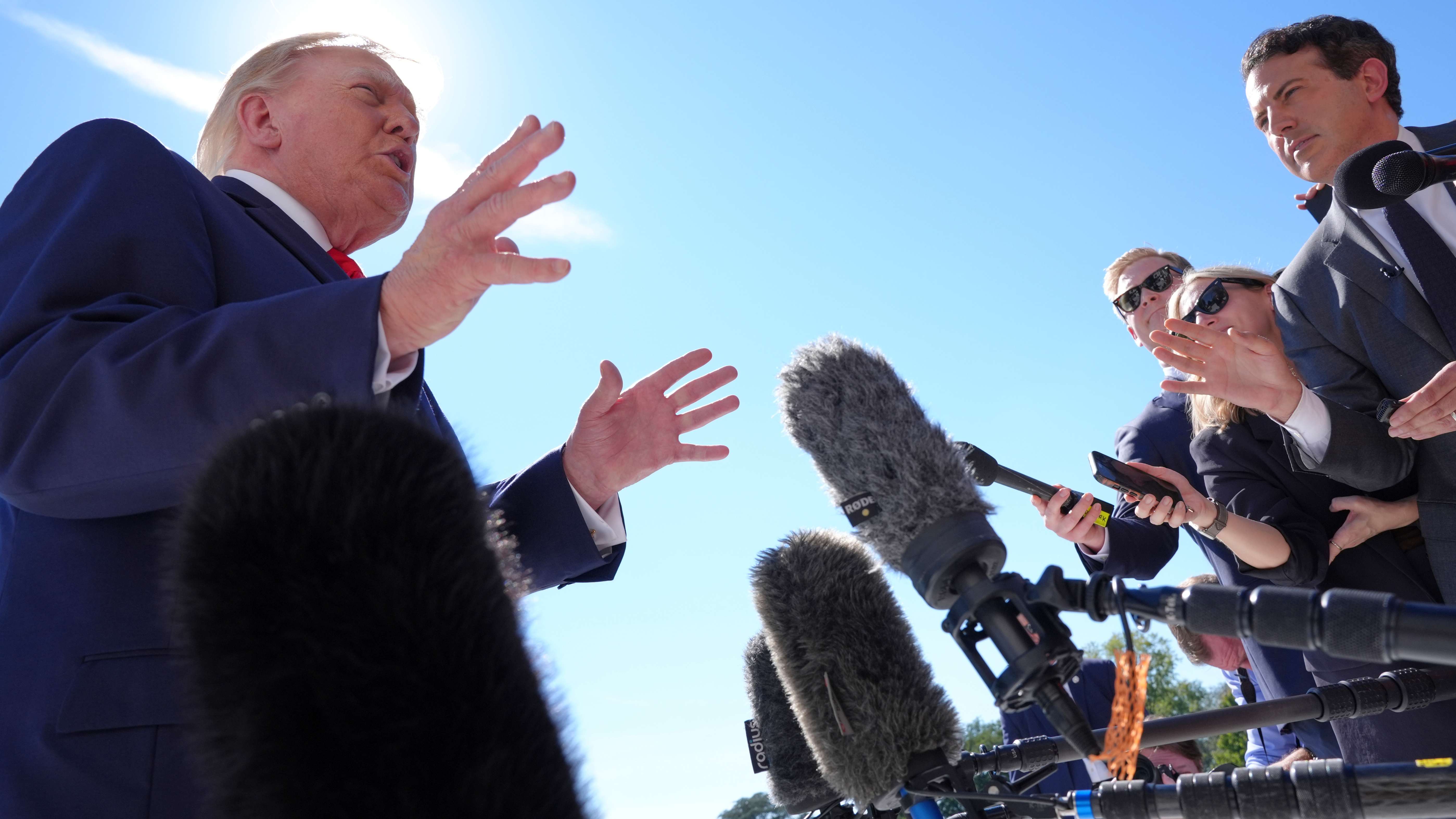
In a recent interview, former President Donald Trump signaled a willingness to consider pardoning individuals who served within his administration. This statement, made in response to a question about potential political targeting, has ignited a significant discussion about the scope and ethics of presidential clemency power.
At Azeem USA, we delve into the nuances of this developing story, examining the legal framework, historical context, and potential ramifications of such actions. Understanding the president's authority to grant pardons is crucial for grasping the broader dynamics of American governance and accountability.
📑 Table of Contents
1. The President's Statement and Context
During an interview with TIME magazine, President Trump was directly asked about his contemplation of pardoning members of his administration before the end of his term. His affirmative response, "Yeah, sure, I'd do that," coupled with his assertion that Joe Biden "gave pardons to everyone," frames his potential actions within a context of perceived political vulnerability for his former associates.
Trump's rationale appears to stem from a belief that individuals who served under him might face undue political prosecution or targeting following his departure from office. This perspective highlights a recurring theme in his political discourse: the idea of a "witch hunt" against his allies and supporters. The specific mention of Biden's pardons, though factually contentious regarding the scope and nature of those pardons, serves to justify his own potential leniency.
The Timing of the Announcement
The timing of this statement, particularly if made in anticipation of leaving office or during a period of ongoing investigations, carries significant weight. It suggests a proactive stance on protecting his inner circle from potential legal repercussions.
2. Understanding Presidential Pardons
The power of pardon is an extraordinary constitutional authority vested in the President of the United States. Article II, Section 2 of the U.S. Constitution grants the President the "Power to grant Reprieves and Pardons for Offenses against the United States, except in Cases of Impeachment." This power is intentionally broad, allowing the President to forgive federal crimes, commute sentences, and remit fines.
Historically, pardons have been used for various purposes, including promoting national reconciliation, correcting perceived injustices, or rewarding acts of loyalty or service. However, the exercise of this power is not without its limitations and controversies. While the Constitution does not explicitly require the President to provide a reason for granting a pardon, the ethical considerations and potential for abuse are subjects of constant debate among legal scholars and the public.
Scope and Limitations of the Pardon Power
It is critical to note that presidential pardons apply only to federal offenses, not state crimes. Furthermore, the power does not extend to cases of impeachment, a specific mechanism for removing officials from office for serious misconduct.
3. Historical Precedents and Controversies

The use of presidential pardons has a rich, and often contentious, history in American politics. Presidents throughout history have utilized this power, sometimes leading to significant public outcry. One of the most notable examples is President Gerald Ford's pardon of Richard Nixon in 1974, which aimed to move the nation past the Watergate scandal but was met with widespread criticism and accusations of a "corrupt bargain."
Other presidents have faced scrutiny for pardoning friends, political allies, or even family members. For instance, President Bill Clinton's eleventh-hour pardons of individuals like Marc Rich, a fugitive financier, and his own half-brother, Roger Clinton Jr., generated considerable controversy and raised questions about the integrity of the pardon process. These historical instances underscore the delicate balance between the President's constitutional authority and the public's expectation of fairness and accountability.
The Role of Political Motivation
The debate often centers on whether pardons are granted for legitimate reasons of justice or mercy, or as political favors to reward loyalty or secure future support. Trump's own stated rationale, focusing on political targeting, places his potential actions squarely within this historical context of politically charged clemency decisions.
4. Potential Implications for the Administration
If former President Trump were to grant pardons to members of his administration, the legal and political ramifications could be substantial. Such actions could preemptively shield individuals from prosecution for alleged offenses committed during their tenure, effectively ending investigations or preventing charges from being filed. This would undoubtedly lead to intense legal challenges and public debate regarding the rule of law and the equitable application of justice.
From a political standpoint, widespread pardons could be seen as an admission of guilt or wrongdoing within the administration, or conversely, as a defiant act against perceived political persecution. It could rally his base, who often view such actions as standing up to a "deep state" or hostile political forces. However, it could also alienate moderate voters and further deepen partisan divides, solidifying perceptions of a presidency that prioritized loyalty over accountability.
Impact on Investigations and Accountability
The primary impact would be on ongoing or potential investigations into the conduct of former administration officials. Pardons would effectively shut down the legal avenues for holding these individuals accountable for federal crimes, raising questions about the integrity of the justice system and the separation of powers.
5. Looking Ahead: The Future of Executive Clemency
The ongoing discussion surrounding presidential pardons, particularly in the context of high-profile political figures, prompts a broader conversation about the future of executive clemency. As the lines between political loyalty and legal accountability continue to be debated, the exercise of this significant constitutional power will likely remain under intense scrutiny.
Future presidents and administrations may consider the precedents set by the Trump era, potentially influencing how they approach the use of pardons. The debate over whether the pardon power serves the interests of justice or poses a threat to it will undoubtedly persist, shaping public opinion and potentially influencing calls for reform or clearer guidelines surrounding this unique presidential prerogative.
The Need for Transparency and Ethical Considerations
Ultimately, the effective and ethical use of the pardon power hinges on transparency and a commitment to the principles of justice. Any future considerations of pardons, whether by former President Trump or subsequent presidents, will be measured against the enduring standards of fairness and the public trust.
🔥 Stay informed on critical political and legal developments by following Azeem USA.
Conclusion
Former President Trump's expressed openness to pardoning administration members injects a significant point of discussion into the ongoing narrative of his presidency and the broader implications of executive power. This stance, framed by his concerns over political targeting, highlights the potent and often controversial nature of the pardon power.
As we navigate the complexities of American governance, understanding the historical context, legal boundaries, and ethical considerations surrounding presidential pardons is paramount. The actions and statements made by figures like President Trump serve as crucial case studies, reminding us of the perpetual need for vigilance in upholding justice and accountability within the highest levels of government.
❓ FAQ
What is a presidential pardon?
A presidential pardon is the power granted to the President of the United States by the Constitution to forgive federal offenses, commute sentences, or remit fines for individuals convicted of crimes against the United States, excluding cases of impeachment.
Can a president pardon anyone?
A president can pardon any individual for federal offenses, but not state offenses. The power also does not extend to cases of impeachment.
Why might a president grant pardons to administration members?
A president might grant pardons to administration members to shield them from potential prosecution or political targeting, or as a perceived reward for loyalty and service.
Are presidential pardons always controversial?
Presidential pardons can be controversial, especially when they are perceived as politically motivated, granted to allies or friends, or used in a way that appears to circumvent the justice system.
Does a pardon erase a criminal record?
A pardon restores certain rights and privileges lost due to a conviction and can signify forgiveness, but it does not legally erase the fact that a crime was committed or the conviction itself.
Comments
Post a Comment