
Democratic hopes hinge on urban turnout, but suburban doubts and rural advantages for Paxton present a formidable challenge.
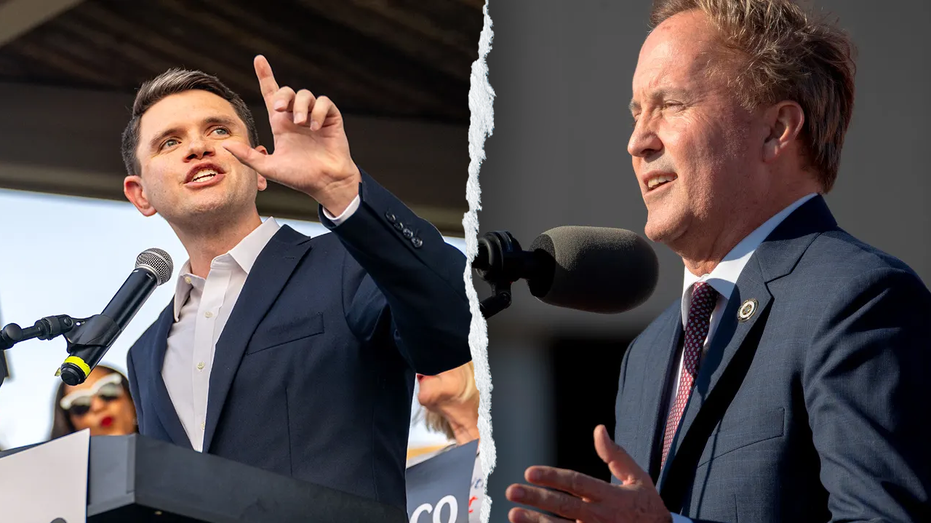
- The Lead: Democratic candidate James Talarico is experiencing a dip in Black voter enthusiasm and facing skepticism in Dallas's suburbs, critical areas for his campaign.
- The Context: Talarico's campaign relies heavily on high turnout in urban centers like Dallas to counteract the established rural support for his opponent, Ken Paxton.
- The Impact: A weakening 'firewall' in Dallas could jeopardize Talarico's chances and signal broader challenges for Democratic candidates in suburban and exurban Texas.
- What's Next: Close monitoring of voter turnout in Dallas and surrounding suburban counties will be crucial in the coming weeks, alongside shifts in campaign messaging.
In the sprawling, diverse landscape of Dallas County, a critical electoral firewall for Democratic candidates is beginning to show discernible cracks. The campaign of James Talarico, widely seen as needing to energize a broad coalition to overcome the entrenched political power in rural Texas, is facing significant headwinds, particularly with lagging Black voter enthusiasm and growing skepticism in the crucial suburban ring.
This developing situation in Dallas is more than just a localized concern; it represents a potential inflection point for Democratic strategy in a state where urban turnout has long been the primary engine for challenging Republican dominance. The coming weeks will reveal whether these cracks are minor fissures or precursors to a broader strategic breakdown.
The Dallas Divide: Talarico's Urban Strategy Under Pressure
The electoral map in Texas is often defined by a stark urban-rural divide, with Democratic success heavily reliant on robust turnout in major metropolitan areas like Dallas. For James Talarico, the expectation was that Dallas County would provide the overwhelming majority needed to offset the consistent Republican vote from the state's vast rural territories. However, recent assessments indicate that the anticipated surge in enthusiasm, particularly among Black voters, is not materializing at the levels required.
This lag in enthusiasm poses a direct threat to Talarico's core strategy. Campaigns are meticulously built around demographic projections and historical turnout data. When a key segment of the expected voter base shows diminished engagement, it forces a rapid recalibration of resources and messaging. The challenge is compounded by the need to not only mobilize but also persuade voters in a competitive environment where opposition forces are actively seeking to suppress turnout or shift allegiances.
The Nuances of Urban Engagement
Analysts suggest that the issue is not necessarily a loss of support for Talarico's platform, but rather a complex interplay of factors affecting voter motivation. These can include outreach effectiveness, the impact of broader national political narratives, and competition for attention from other pressing local concerns. Understanding these nuances is critical for any campaign seeking to maintain its urban 'firewall'.
“The challenge for Talarico is immense: he needs overwhelming numbers from Dallas to offset Ken Paxton's deep-rooted support in rural Texas, and that support is showing signs of faltering.”
The Rural-Urban Chasm: How Texas Voters Are Split
Texas politics has long been characterized by a deep ideological and demographic divergence between its urban centers and its rural communities. While cities like Dallas, Houston, and Austin tend to lean Democratic, driven by diverse populations and more progressive social attitudes, the vast majority of the state's landmass and many of its smaller towns remain staunchly Republican.
This persistent divide means that statewide candidates, especially Democrats, must achieve near-total dominance in urban counties to have a chance of overcoming the sheer volume of votes generated by Republican strongholds. The math is unforgiving: even a slight underperformance in a major urban area can be fatal if not compensated by an equally significant, often unattainable, surge in support elsewhere. Ken Paxton, as the incumbent, benefits from this established pattern, leveraging a loyal base that requires less intensive mobilization than the diverse, often less predictable, urban electorate.
The Power of Established Networks
Republican campaigns in rural Texas often rely on deeply entrenched networks, long-standing community ties, and a consistent message that resonates with the local culture and economic concerns. This allows for a more predictable and efficient allocation of campaign resources, contrasting sharply with the more fluid and complex mobilization efforts required in urban settings.
Suburban Skepticism and Shifting Alliances
Beyond the core urban areas, the suburban counties surrounding Dallas represent another crucial, and increasingly unpredictable, battleground. These areas are often characterized by a mix of demographics, including a significant contingent of voters who may not identify strongly with either party and are receptive to different messages.
The 'skepticism' noted in these suburban areas suggests that Talarico's campaign is not yet fully connecting with a significant portion of these swing voters. This could stem from a variety of factors, including concerns about economic policies, social issues, or a perception of the candidate's alignment with more progressive elements of the Democratic party. For Talarico, winning these suburban votes is not just about offsetting rural losses; it's about building a broader coalition that can secure victory across a wider geographic and demographic spectrum.
The Fence-Sitters Factor
Suburban voters often prioritize issues like education, public safety, and local economic stability. Campaigns that fail to address these concerns effectively, or that are perceived as out of touch with suburban values, risk alienating a critical bloc of potential supporters. The challenge for Talarico is to craft a message that appeals to both the core Democratic base and these more centrist suburban voters.

The Stakes for Texas Democrats: Beyond One Race
The performance of James Talarico's campaign in Dallas is not an isolated event; it serves as a bellwether for the broader challenges facing the Democratic Party in Texas. The state's evolving demographics, particularly the growth of its urban and suburban populations, have long been seen as holding the key to future Democratic victories.
However, translating demographic potential into electoral reality requires consistent success in mobilizing diverse voter groups and persuading undecided voters. If Talarico's strategy falters due to insufficient enthusiasm in key urban areas or an inability to win over suburban voters, it could signal deeper structural issues within the party's outreach and messaging. This would have implications not only for this specific race but for the party's long-term prospects in a state that remains a significant prize.
The Messaging Conundrum
Democratic strategists often grapple with the challenge of balancing progressive ideals with the need to appeal to a broader, more moderate electorate, especially in swing districts and suburban areas. The reported 'skepticism' in Dallas suburbs highlights the difficulty in threading this needle, suggesting that campaign messaging may need to adapt to resonate more effectively with these crucial voter segments.
Looking Ahead: What to Watch in the Final Stretch
As the election draws nearer, all eyes will be on Dallas County and its surrounding suburbs. The ability of Talarico's campaign to reignite enthusiasm among Black voters and to make inroads with skeptical suburbanites will be a critical determinant of his success.
Key indicators to monitor will include last-minute campaign pushes, voter registration drives, and any shifts in public polling data that might reflect changing voter sentiment. The effectiveness of Talarico's ground game and his campaign's capacity to adapt its message in response to these challenges will be closely watched by political observers across the state and the nation.
Upcoming Milestones
Campaigns often intensify their efforts in the final weeks, deploying surrogates, running targeted advertising, and focusing on get-out-the-vote operations. The coming period will likely see a significant ramp-up in these activities, providing clearer signals about the trajectory of Talarico's campaign and the health of his Dallas 'firewall'.
🎯 The Bottom Line
The Bottom Line: The electoral landscape in Texas is complex, and while urban areas are vital, their strength is not guaranteed. Talarico's campaign faces the formidable task of converting potential into actual votes, a challenge made more difficult by shifting voter enthusiasm and suburban doubts.
As we move closer to election day, the ability of campaigns to connect with diverse voter segments and adapt to evolving political dynamics will be paramount. The Azeem USA Briefing will continue to track these critical developments as they unfold.
Stay informed on the crucial races shaping America's political future. Subscribe to The Azeem USA Briefing for in-depth analysis.
📬 Reader Q&A: Key Questions Answered
Q: What is James Talarico's primary electoral challenge in Dallas?
His campaign is facing challenges with lagging Black voter enthusiasm and skepticism from suburban voters, which are critical components of his strategy to win.
Q: Why is Dallas County so important for Talarico's campaign?
Dallas County is considered a key urban stronghold that must deliver massive turnout to offset the strong, established support Ken Paxton holds in rural Texas.
Q: Who is Ken Paxton?
Ken Paxton is the incumbent politician in this race, known for his strong support base in rural Texas.
Q: What does 'firewall' mean in this political context?
In this context, a 'firewall' refers to a strong, reliable bloc of votes from a specific geographic area or demographic group that a campaign depends on to win.
Q: What are the broader implications of Talarico's struggles?
Potential struggles could indicate broader challenges for the Democratic Party in Texas regarding voter mobilization and connecting with suburban electorates, impacting future electoral prospects.
Comments
Post a Comment