
Unprecedented high tides are inundating homes and highways across Southern California, raising alarms about coastal resilience.
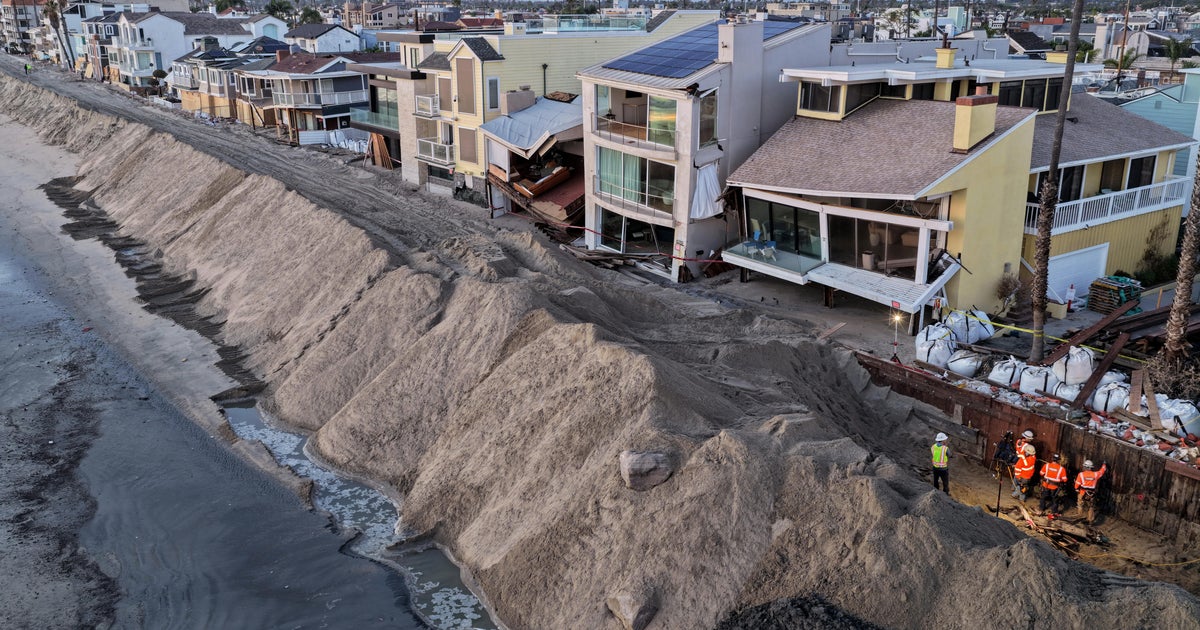
- The Lead: Southern California is experiencing severe flooding due to exceptionally high tides, submerging residential areas and major roadways.
- The Context: These tides are reportedly the highest on record for the region, exacerbated by storm systems and potentially linked to broader climate shifts.
- The Impact: Homes have been swamped, transportation networks disrupted, and local emergency services are responding to numerous incidents.
- What's Next: Authorities are assessing damage, monitoring tide levels, and evaluating long-term strategies for coastal protection and adaptation.
Images emerging from Southern California paint a stark picture of disruption: streets transformed into canals, homes inundated with saltwater, and vital transportation arteries choked by the ocean's surge. Record-breaking high tides, amplified by recent storm activity, have swept across coastal communities, swamping properties and forcing emergency responses.
This isn't just a localized weather event; it's a dramatic demonstration of nature's power and a pressing reminder of the vulnerabilities inherent in our coastal development. The Azeem USA Briefing is breaking down what happened, why it matters, and what signals to watch for as the region grapples with this escalating challenge.
The Unfolding Deluge: What We Know So Far
Across stretches of the Southern California coastline, residents woke to scenes of unexpected inundation. Photos depict waves crashing over seawalls and creeping far inland, submerging cars, flooding ground-floor residences, and rendering major roadways impassable. Areas from Orange County to San Diego have reported significant flooding, with water levels described as extreme and persistent.
Emergency services have been actively involved in responding to calls for assistance, including helping residents navigate the flooded conditions and assessing the structural integrity of affected properties. The immediate catalyst appears to be a convergence of exceptionally high astronomical tides, often referred to as king tides, coinciding with atmospheric conditions that further push ocean water ashore.
The Visual Evidence
The visual evidence, captured in numerous photographs and videos, highlights the sheer force and reach of the high tides, showing water lapping at the foundations of homes and swallowing sections of coastal highways, creating hazardous driving conditions and disrupting daily life for thousands.
“The sheer scale of inundation from these natural forces serves as a critical warning for coastal regions worldwide.”
A Tide of Change: How We Arrived Here
The phenomenon of king tides is a predictable, albeit extreme, part of the lunar and solar cycles. However, the severity of recent inundations suggests that other factors are amplifying their impact. Scientists have long warned that rising global sea levels, driven by climate change, are exacerbating the effects of high tides, making coastal flooding more frequent and more severe.
This event is not an isolated incident but rather a manifestation of long-term trends. Decades of coastal development, often without adequate consideration for future sea-level rise, have created environments highly susceptible to such natural surges. The geological makeup of the coastline and the presence of aging or insufficient flood control infrastructure also play critical roles in determining the extent of the damage.
Climate's Accelerating Role
The increasing frequency of extreme weather events, including powerful storms that can further push ocean waters inland, adds another layer of complexity. Experts point to the growing body of evidence suggesting that the 'new normal' for coastal areas involves a higher baseline of risk from the sea.
Coastal Reactions: Immediate Fallout and Responses
The immediate aftermath has seen a surge in activity from local authorities and emergency management agencies. Public works departments are scrambling to clear debris and assess damage to roads and public infrastructure, while lifeguards and police are managing access to hazardous areas and responding to stranded individuals. Residents in affected zones are facing significant property damage, with many reporting water entering their homes, leading to costly repairs and displacement.
The economic impact is also beginning to be felt. Businesses located in low-lying coastal areas have been forced to close, and disruptions to transportation networks can affect supply chains and local commerce. The visual impact of the flooding is also prompting a broader conversation about the long-term viability of certain coastal communities and the investments needed to protect them.
Community Resilience Tested
In many communities, neighbors are banding together to assist one another, demonstrating a strong spirit of mutual aid in the face of natural adversity. However, the scale of the flooding raises questions about whether individual and community resilience is sufficient against increasingly powerful and frequent climate-driven events.

Beneath the Waves: Competing Views on Risk and Resilience
The current flooding event inevitably reignites debates about how coastal regions should adapt. One perspective emphasizes the need for robust engineering solutions: higher seawalls, improved drainage systems, and reinforced infrastructure. Proponents of this approach argue that with sufficient investment, coastal communities can be fortified against rising seas and extreme weather.
Conversely, a growing body of opinion advocates for nature-based solutions and managed retreat. This viewpoint suggests that attempting to hold back the ocean indefinitely may be futile and prohibitively expensive in the long run. Instead, it calls for restoring natural coastal defenses like wetlands and dunes, and in some cases, strategically relocating development away from the most vulnerable areas. The challenge lies in balancing immediate protection needs with long-term sustainability and economic realities.
The Economic Equation
The cost of inaction versus the cost of adaptation is a central point of contention. While the immediate price tag for major infrastructure projects or managed retreat can be substantial, the potential long-term economic and human costs of repeated, large-scale flooding are arguably far greater.
Watching the Waterline: What Comes Next
As the immediate crisis subsides, the focus will shift to a comprehensive assessment of the damage and the development of mitigation strategies. Local and state officials are expected to conduct thorough reviews of the events, examining the effectiveness of current flood defenses and emergency protocols. This will likely involve collaboration with scientific bodies and engineering experts to understand the contributing factors and to model future risks more accurately.
Key upcoming milestones will include the release of detailed damage reports, preliminary findings from hydrological studies, and policy discussions regarding coastal development regulations and infrastructure investments. The long-term implications for property values, insurance rates, and the very future of coastal living in Southern California are significant and will be closely watched.
Signals to Monitor
Pay close attention to any announcements regarding updated building codes, proposed investments in coastal defense projects, and discussions around managed retreat or land-use planning in vulnerable zones. These will be critical indicators of how the region is preparing for future challenges.
🎯 The Bottom Line
The 'bottom line' from the current flooding is clear: the power of the ocean, amplified by climate change and sea-level rise, is an undeniable force that coastal communities must confront. The record tides in Southern California are not merely a temporary inconvenience but a potent signal demanding a re-evaluation of our relationship with the coast.
We will continue to monitor this developing story and its implications for coastal resilience across the nation and the globe. Thank you for reading The Azeem USA Briefing.
Stay informed with daily, authoritative news analysis. Subscribe to The Azeem USA Briefing.
📬 Reader Q&A: Key Questions Answered
Q: What are 'king tides'?
King tides are exceptionally high tides that occur naturally when the Earth is closest to the sun and the moon (during perigee and syzygy), resulting in a stronger gravitational pull that pushes ocean waters higher than usual.
Q: How does climate change affect high tides?
Climate change contributes to rising global sea levels. As sea levels get higher, the baseline for all tides, including king tides, is elevated, making extreme high tides more impactful and leading to greater inundation.
Q: Are these floods dangerous?
Yes, these floods can be dangerous. They can lead to property damage, disrupt essential services, create hazardous driving conditions, and pose risks to individuals caught in inundated areas.
Q: What is 'managed retreat'?
Managed retreat is a planned process where communities strategically relocate away from areas at high risk from hazards like sea-level rise and flooding. It involves moving infrastructure and populations inland over time.
Q: What is the long-term outlook for coastal California?
The long-term outlook suggests increased risks from sea-level rise and coastal flooding. Adaptation strategies, including infrastructure upgrades, nature-based solutions, and potentially managed retreat, will be crucial for long-term resilience.
Comments
Post a Comment