
North Korea's leader cements ties with Beijing, signaling a strategic realignment amid global tensions.
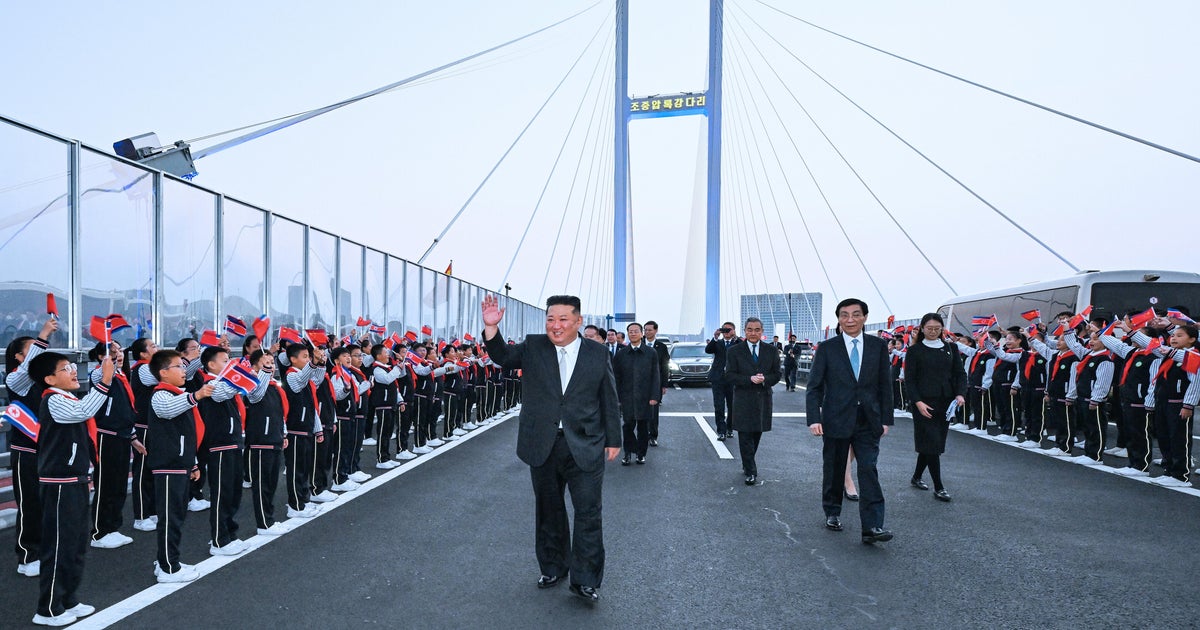
- The Lead: North Korean leader Kim Jong Un made a high-profile visit to China, meeting with President Xi Jinping to strengthen bilateral ties and discuss regional security.
- The Context: The trip marks a crucial diplomatic maneuver for Pyongyang amid international sanctions and geopolitical shifts, underscoring Beijing's enduring role as North Korea's primary ally.
- The Impact: The renewed engagement between Pyongyang and Beijing signals a recalibration of regional power dynamics and could influence ongoing diplomatic efforts regarding North Korea's nuclear program.
- What's Next: Watch for official statements from both governments, analysis of economic and military cooperation, and reactions from key global players like the United States and South Korea.
In a move that reverberated across East Asian capitals and global security circles, North Korean leader Kim Jong Un made a significant diplomatic journey to Beijing, culminating in meetings with Chinese President Xi Jinping. The summit, shrouded in initial secrecy, has now emerged as a critical signal of strengthened ties between two nations bound by history, ideology, and strategic necessity.
This high-level engagement underscores the enduring importance of the Sino-North Korean relationship at a time of heightened global uncertainty. The Azeem USA Briefing dives into the substance of this pivotal visit, exploring its historical roots, immediate implications, and what it portends for the future of regional diplomacy and security.
The Summit in Beijing: What We Know So Far
The centerpiece of Kim Jong Un's visit was his cordial and reportedly substantive discussions with President Xi Jinping. While official readouts were carefully worded, the optics of the meetings — often framed as reinforcing a "comradeship" — conveyed a clear message of solidarity. The discussions are understood to have covered a range of bilateral issues, including economic cooperation, security coordination, and the broader geopolitical landscape, particularly concerning the Korean Peninsula and regional stability.
Sources close to the deliberations suggest that North Korea sought assurances of continued support from its most significant economic and diplomatic patron. For Beijing, the visit offered an opportunity to reinforce its influence in the region and to present a united front against perceived external pressures. The reaffirmation of ties comes at a critical juncture, as Pyongyang navigates international sanctions and seeks to advance its strategic objectives.
Focus on Economic and Security Cooperation
Particular attention was reportedly paid to enhancing economic ties, with discussions likely revolving around trade, investment, and potential aid packages. China's role as North Korea's primary economic lifeline is well-documented, and any reinforcement of this support has significant implications for Pyongyang's ability to sustain its economy under sanctions. Security discussions likely focused on regional threats and coordinated responses, solidifying a strategic alignment against common concerns.
“The reaffirmation of ties between North Korea and China is a geopolitical anchor, shaping regional stability and international diplomacy.”
A Long and Winding Road: How We Got Here
The relationship between North Korea and China is one of the most complex and consequential in international affairs, forged in the crucible of the Korean War and shaped by decades of ideological alignment and strategic necessity. Despite periods of tension and divergence, Beijing has consistently acted as Pyongyang's most crucial ally, providing vital economic and political support.
This visit is not an isolated event but rather a chapter in a long, evolving narrative. Kim Jong Un's leadership has seen a deliberate effort to re-engage with Beijing, particularly following the breakdown of denuclearization talks with the United States. The strategic importance of China for North Korea cannot be overstated; it serves as a buffer against external threats and a vital source of resources, enabling Pyongyang to maintain its course amidst international scrutiny.
Shifting Geopolitical Tides
The broader geopolitical context is crucial to understanding the timing and significance of this summit. As global powers reassess their alliances and strategies, the reaffirmation of the Sino-North Korean bond sends a clear signal about regional alignments. It highlights Beijing's continued commitment to its traditional ally, even as it seeks to balance its relationships with other major global actors.
Reactions and Recalibrations: Key Players Assess the Fallout
The news of Kim Jong Un's visit to China has prompted swift reactions and careful analysis from capitals around the world. In Washington, officials are closely monitoring the implications for denuclearization efforts and regional security. The U.S. State Department has emphasized the need for continued international cooperation to address North Korea's WMD programs, while acknowledging the deep-seated nature of the Sino-North Korean relationship.
South Korea's government has expressed a measured response, highlighting the importance of inter-Korean dialogue and denuclearization. Seoul recognizes that China's role is pivotal in any diplomatic resolution on the peninsula. Meanwhile, international financial markets have shown muted reactions, suggesting that the visit was largely anticipated within the existing framework of regional power dynamics. However, observers are keenly watching for any concrete shifts in economic or military cooperation that could alter the strategic balance.
Analyst Perspectives on the Alliance
Analysts widely view the strengthened ties as a strategic move by both Beijing and Pyongyang to counter perceived external pressures and reaffirm their mutual interests. The visit signals a degree of strategic alignment that could embolden North Korea and present new challenges for diplomatic initiatives seeking to curb its nuclear ambitions. The consensus among many experts is that this renewed partnership reinforces the existing geopolitical order in East Asia, underscoring the persistent influence of historical alliances.

Strategic Fault Lines: The Competing Interests at Play
At the heart of the Sino-North Korean relationship lie deeply intertwined strategic interests, yet also potential points of friction. For North Korea, China represents an indispensable patron, offering economic sustenance and diplomatic cover essential for the regime's survival and pursuit of its strategic goals, including nuclear capabilities. Pyongyang's calculus often involves leveraging its relationship with Beijing to gain leverage in negotiations with other powers.
China, on the other hand, views North Korea as a strategic buffer against U.S. influence in the region and a stabilizing force on its border. Beijing's primary interests include maintaining regional stability, preventing a collapse of the North Korean regime that could lead to a refugee crisis and direct U.S. military presence on its frontier, and upholding its own geopolitical standing. However, China also faces pressure to adhere to international sanctions and manage its relationship with the United States, creating a delicate balancing act.
The Nuclear Question and International Sanctions
The most significant strategic fault line revolves around North Korea's nuclear weapons program. While China officially supports denuclearization and UN Security Council sanctions, its willingness to enforce them strictly has often been questioned, particularly when it perceives its own strategic interests to be at stake. This visit may signal a renewed focus on mutual security concerns, potentially at the expense of robust enforcement of sanctions, which complicates international efforts to achieve a denuclearized Korean Peninsula.
On the Radar: What Happens Next
The implications of Kim Jong Un's visit to China will unfold in the coming weeks and months. Key developments to watch will include any concrete announcements regarding economic aid, trade agreements, or joint security initiatives. The degree to which China signals a relaxation of sanctions enforcement or increases its support for North Korea will be a critical indicator of the visit's long-term impact.
Furthermore, the reaction from the United States and its allies will shape the diplomatic landscape. Washington will be assessing how this strengthened Sino-North Korean bond affects its own engagement strategies with Pyongyang and its broader regional security posture. The coming period will likely see intensified diplomatic signaling and strategic maneuvering as each major player recalibrates in response to this significant realignment.
Future Diplomatic Engagements
The future of denuclearization talks on the Korean Peninsula will also be heavily influenced by this renewed alliance. Whether this visit leads to a more coordinated approach between Beijing and Pyongyang regarding engagement with the international community, or further entrenches a division, remains to be seen. Observers will be scrutinizing future statements and actions from both North Korea and China for clues about their evolving strategic calculus.
🎯 The Bottom Line
The Bottom Line: Kim Jong Un's visit to China is a clear reaffirmation of a strategic alliance that underpins regional stability and complicates international efforts toward denuclearization. It underscores Beijing's enduring influence and Pyongyang's reliance on its key patron, setting a new dynamic for diplomatic engagement in East Asia.
Thank you for joining us for this briefing. Stay informed with The Azeem USA Briefing as we continue to track these critical global developments and their impact. Subscribe now to ensure you don't miss our in-depth analysis.
Stay ahead of the curve. Subscribe to The Azeem USA Briefing for daily insights delivered directly to your inbox.
📬 Reader Q&A: Key Questions Answered
Q: What was the primary purpose of Kim Jong Un's visit to China?
The primary purpose was to reaffirm and strengthen the long-standing strategic partnership between North Korea and China, discussing bilateral issues and regional security.
Q: How does this visit impact North Korea's relationship with the United States?
This strengthening of ties with China could embolden North Korea and potentially complicate future denuclearization talks with the United States, as Pyongyang has a key patron reinforcing its strategic position.
Q: What is China's role in the North Korean economy?
China is North Korea's largest trading partner and a crucial source of economic support, providing essential goods and aid that help sustain the North Korean economy, particularly under international sanctions.
Q: What does the Sino-North Korean alliance entail?
The alliance is based on historical ties, ideological affinity, and strategic necessity. It includes a mutual defense treaty and deep economic interdependence, making China North Korea's most vital ally.
Q: What should we watch for following this visit?
Key indicators will be any new economic cooperation agreements, changes in China's enforcement of sanctions, and the subsequent diplomatic postures of North Korea, China, the U.S., and South Korea.
Comments
Post a Comment