
House Speaker Mike Johnson signals confidence in Republican voter turnout, pointing to a perceived shift in the Democratic Party's ideological stance.
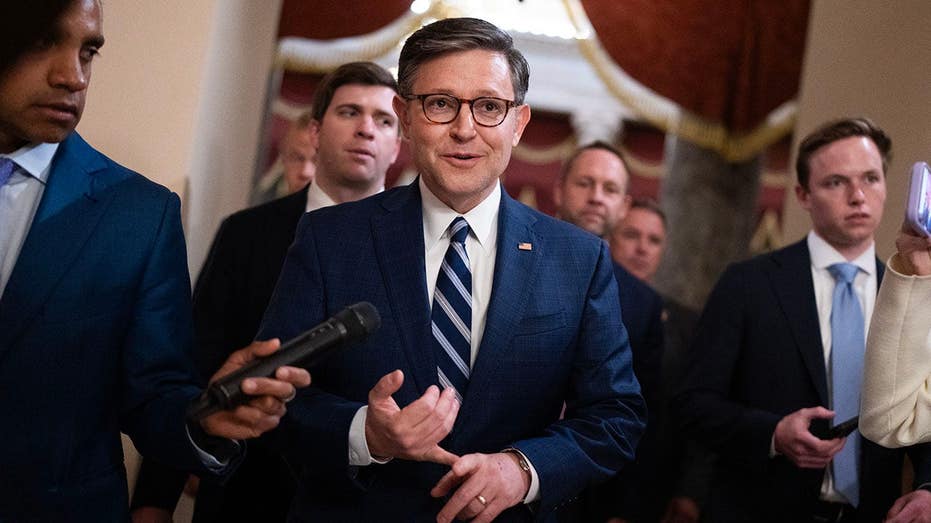
- The Lead: House Speaker Mike Johnson stated that polls are not accurately reflecting Republican voter enthusiasm.
- The Context: Johnson attributes this perceived underestimation to a 'dangerous lurch left' by the Democratic Party.
- The Impact: The Speaker's remarks suggest a strategic Republican campaign narrative focused on ideological contrast.
- What's Next: Watch for further polling data and campaign messaging from both parties leading into the election cycle.
House Speaker Mike Johnson has issued a confident assessment of the Republican Party's electoral prospects, predicting that current polling data is failing to capture the depth of enthusiasm among GOP voters. Speaking on Fox News, Johnson articulated a strategy that hinges on highlighting a perceived ideological drift within the Democratic Party, which he described as a "dangerous lurch left." This assertion sets a clear narrative for Republicans as they aim to energize their base and persuade undecided voters.
The Speaker's remarks come at a critical juncture, as political strategists on both sides of the aisle seek to define the terms of engagement for upcoming elections. This briefing delves into Johnson's claims, explores the historical context of party ideological shifts, examines the potential campaign fallout, and outlines the key factors to watch as the political landscape continues to evolve.
What We Know So Far: Johnson's Central Claim
House Speaker Mike Johnson's core argument centers on the belief that the American public, and particularly Republican voters, possess a level of energy and commitment that is not being accurately reflected in contemporary opinion polls. He articulated this viewpoint during recent media appearances, suggesting that these polls are "grossly underestimating" the enthusiasm for the GOP platform and candidates.
Johnson directly linked this perceived underestimation to the Democratic Party's recent policy stances and ideological direction. He characterized this shift as a "dangerous lurch left," implying that the party has moved away from more moderate positions and is now embracing a more progressive agenda that may alienate a significant portion of the electorate, while paradoxically energizing the Republican opposition. This framing is a direct attempt to define the opposition and galvanize support.
The Catalyst for the Statement
The timing of Speaker Johnson's remarks suggests a strategic effort to preemptively shape campaign narratives. By focusing on the Democratic Party's ideological trajectory, Johnson aims to create a clear contrast that can be leveraged in campaign messaging and voter outreach efforts.
“Republicans are seeing tremendous enthusiasm, and I think the polls are going to miss that.”
The Shifting Political Landscape: A Historical View
The assertion of a 'lurch left' by one of the major parties is a recurring theme in American political history, often emerging during periods of significant social and economic change. Throughout the 20th and 21st centuries, both the Democratic and Republican parties have undergone internal ideological evolutions, sometimes moving towards the center and at other times embracing more distinct ideological platforms.
Historically, such shifts have been driven by a confluence of factors, including demographic changes, responses to major national or global events, and the emergence of new political movements. The current political climate, marked by debates over economic policy, social issues, and the role of government, provides fertile ground for these ideological contests. The challenge for any party leader is to accurately gauge whether such shifts translate into broad electoral gains or losses.
Defining 'The Left' in Modern Politics
The term 'far-left' itself is subject to interpretation and is often used as a political descriptor. In the context of Johnson's remarks, it likely refers to progressive policies related to climate change, social justice, economic regulation, and healthcare that have gained prominence within certain factions of the Democratic Party.
Reactions and Campaign Implications
Speaker Johnson's comments have predictably drawn sharp responses from Democratic leaders and strategists, who often counter such claims by highlighting the broad appeal of their party's platform and their own efforts to mobilize diverse voter coalitions. Democrats typically argue that their policy proposals are designed to address the needs of working families and that the Republican characterization is an oversimplification or misrepresentation.
From a campaign perspective, Johnson's narrative serves a dual purpose: to energize the Republican base by framing Democrats as ideologically extreme, and to potentially sow doubt among moderate or independent voters about the direction of the opposition. This strategy aims to create a clear choice for voters, emphasizing the stakes of the election in terms of ideological direction rather than specific policy debates.
Market and Institutional Reactions
While direct market reactions to such political rhetoric are often subtle, the underlying sentiment can influence investor confidence and policy expectations. Analysts will be watching how these ideological battle lines develop, as they can foreshadow potential shifts in regulatory approaches, fiscal policy, and international relations depending on the election outcomes.

Navigating the Ideological Divide: Risks and Strategies
The strategy of labeling an opponent as 'far-left' or 'far-right' is a common tactic in political discourse, but it carries inherent risks. While it can effectively galvanize a party's core supporters, it can also alienate centrist voters who may find such labels overly simplistic or divisive. The success of this strategy depends heavily on the actual policy positions being debated and the prevailing mood of the electorate.
For the Republican Party, the challenge is to ensure that this focus on ideological contrast does not overshadow substantive policy discussions or alienate key demographic groups. Conversely, the Democratic Party faces the task of responding to these characterizations without appearing defensive, while also clearly articulating their vision and addressing concerns about the perceived 'leftward' shift within their ranks.
The Role of Polling Accuracy
The debate over poll accuracy highlights the complexities of measuring public opinion, especially in polarized environments. Factors such as respondent engagement, question framing, and the rapidly evolving nature of political sentiment can all contribute to discrepancies between polls and actual election results.
Looking Ahead: Key Indicators to Monitor
As the election cycle progresses, several key indicators will be crucial for assessing the validity of Speaker Johnson's claims and the overall health of both parties' electoral prospects. Continued monitoring of public opinion polls, with a particular focus on voter enthusiasm metrics and demographic breakdowns, will be essential. Beyond polls, attention should be paid to campaign fundraising numbers, volunteer engagement, and the rhetoric employed by a wider range of party officials and candidates.
Furthermore, the legislative agenda in Congress and the responses from state-level political actors will provide tangible evidence of the ideological currents within each party. Observing how key policy debates unfold and how broadly popular or controversial they become will offer insights into whether the electorate is indeed shifting in ways that either party can effectively capitalize on. The ultimate test will be on Election Day itself.
Upcoming Debates and Policy Votes
Keep an eye on upcoming congressional debates, committee hearings, and significant policy votes, as these events often serve as focal points for ideological clashes and can significantly influence public perception.
🎯 The Bottom Line
The Bottom Line: Speaker Johnson's assertion that Republican enthusiasm is being underestimated due to a Democratic 'far-left lurch' presents a clear strategic narrative for the GOP. Whether this narrative resonates broadly with the electorate, and whether polling truly misses a significant undercurrent of support, remains to be seen as the election calendar unfolds.
Thank you for joining us for The Azeem USA Briefing. We will continue to track these developments and provide you with the in-depth analysis you need to understand the forces shaping our political landscape.
Subscribe to The Azeem USA Briefing for daily insights into the stories that matter.
📬 Reader Q&A: Key Questions Answered
Q: What did Speaker Johnson specifically say about Democratic Party shifts?
Speaker Johnson described the Democratic Party's direction as a 'dangerous lurch left,' suggesting it has moved significantly towards progressive policies.
Q: How does Johnson believe polls are inaccurate?
He believes current polls are 'grossly underestimating' the level of enthusiasm among Republican voters.
Q: What is the potential impact of this statement on the election?
This statement aims to energize the Republican base by creating an ideological contrast with Democrats and potentially sway undecided voters.
Q: Is this a new political tactic?
Labeling political opponents with ideological terms to mobilize one's base is a common, though not always successful, political strategy throughout history.
Q: What should readers watch for next?
Readers should monitor further polling data, campaign messaging from both parties, voter turnout in upcoming elections, and legislative actions in Congress.
Comments
Post a Comment