
As Israelis head to the polls, a complex political landscape could determine the future of Benjamin Netanyahu's long career.
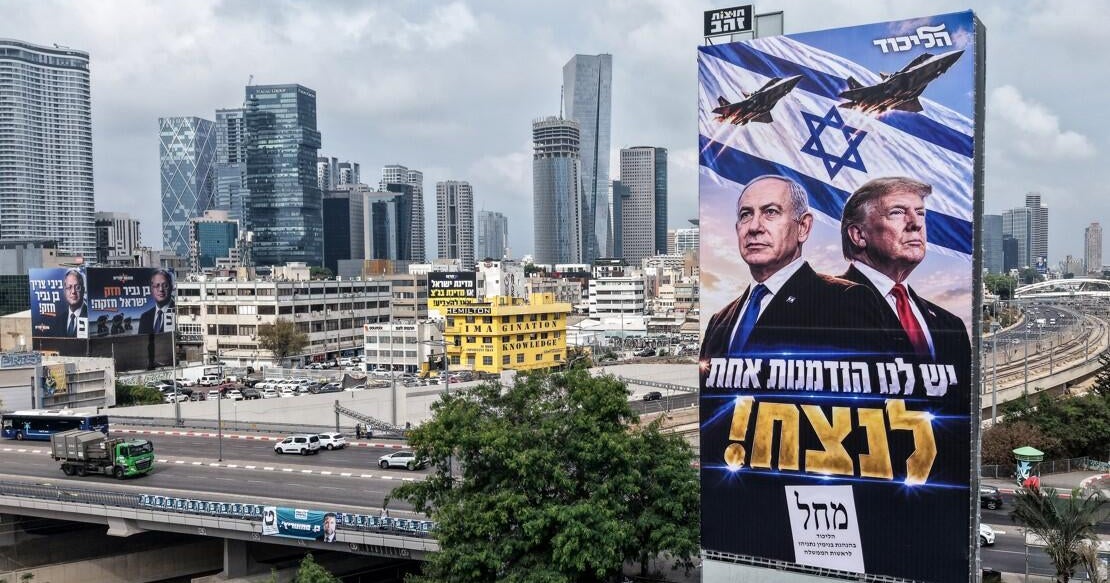
- The Lead: Israelis are voting in a general election that is too close to call, with Prime Minister Benjamin Netanyahu facing a significant challenge.
- The Context: The election is largely seen as a referendum on Netanyahu's leadership amidst ongoing legal challenges and a shifting political coalition landscape.
- The Impact: The outcome will determine Israel's next government, influencing domestic policy, regional security, and international relations.
- What's Next: Election results are expected to begin trickling in after polls close, with coalition formation talks likely to dominate the coming days and weeks.
Jerusalem – Israelis are casting their ballots today in a highly anticipated general election, a vote that could either extend Benjamin Netanyahu’s record-breaking premiership or usher in a new political era for the nation. The air in polling stations across the country is thick with anticipation, as voters grapple with a deeply fractured political landscape and the enduring, yet increasingly divisive, figure of Prime Minister Netanyahu.
This election is far from a simple choice between two candidates; it is a complex referendum on the country's direction, Netanyahu's leadership style, his ongoing corruption trial, and the very nature of Israeli governance. The Azeem USA Briefing dissects the critical factors at play that will shape the outcome and determine the political future of one of the Middle East's most influential leaders.
The Stakes: What's Driving This Election
At its core, this election is a battle for the soul of Israeli politics. For years, Benjamin Netanyahu has been the dominant force, his Likud party a constant presence in government. However, a growing coalition of opposition parties, united more by their desire to oust him than by a shared ideology, has presented a formidable challenge. The election is framed by deep societal divisions, with voters weighing Netanyahu's experience and security credentials against concerns about his leadership, judicial reforms, and the country's increasingly polarized political discourse.
The immediate catalyst for this vote lies in the collapse of the previous coalition government, a disparate group that managed to hold together for just over a year. Its dissolution underscored the difficulty of governing Israel without Netanyahu, highlighting the deep ideological chasms that he has often skillfully navigated or exploited throughout his career. The outcome today will not only decide who leads the government but also signal the public's appetite for political stability versus radical change.
The Economy and Security Concerns
Beyond the political machinations, economic anxieties and persistent security threats are also weighing on voters' minds. While the country has seen some economic growth, concerns about the cost of living and future prosperity remain high. Simultaneously, the ever-present security challenges in the region continue to be a primary consideration for many Israelis, often bolstering support for leaders perceived as strong on defense.
“The political fate of Benjamin Netanyahu, a towering figure in Israeli politics for decades, now hinges on a confluence of voter sentiment, coalition dynamics, and the performance of emerging opposition movements.”
Netanyahu's Legacy: A Political Tightrope
Benjamin Netanyahu, often referred to as 'Bibi,' has been a fixture in Israeli politics for over two decades, serving as Prime Minister for a cumulative period longer than any other leader. His political acumen is undeniable, marked by a shrewd ability to adapt, survive, and dominate the political arena. Yet, his tenure has also been shadowed by corruption allegations, leading to a high-profile trial that continues to play out concurrently with this electoral contest.
His supporters credit him with bolstering Israel's international standing, strengthening its security, and fostering economic growth. They view his legal battles as politically motivated attacks orchestrated by opponents. Conversely, critics point to his divisive rhetoric, perceived erosion of democratic norms, and the unprecedented political instability that has plagued Israel in recent years, leading to multiple elections.
The Personal vs. The Political
The critical question for many voters is whether Netanyahu's personal legal challenges have overshadowed his capacity to govern effectively. The ongoing trial has created a unique dynamic, forcing Israelis to consider the implications of having a Prime Minister facing serious criminal charges. This personal dimension adds a layer of complexity to an already intricate political puzzle.
The Opposition's Gambit: A United Front?
The primary force opposing Netanyahu is a diverse bloc of parties, ranging from centrist to right-wing, that have coalesced under the banner of removing him from power. This alliance, spearheaded by figures like Yair Lapid and Naftali Bennett in previous attempts, has demonstrated a pragmatic, albeit sometimes fragile, ability to work together. Their success hinges on their capacity to translate anti-Netanyahu sentiment into a cohesive governing majority.
The challenge for the opposition lies in maintaining unity once the common enemy is potentially defeated. Historical precedents show that these broad coalitions can fracture once the immediate goal of unseating Netanyahu is achieved, leading to internal power struggles. This election will test whether the opposition has learned from past failures and can forge a stable alternative governance structure.
Ideological Divides Within the Bloc
While united against Netanyahu, the opposition parties hold significant ideological differences on issues such as the Israeli-Palestinian conflict, religious policy, and economic regulation. The ability of these factions to compromise and form a functional government will be a key determinant of Israel's political stability post-election.

Voter Fatigue and Shifting Alliances
Israel has experienced a period of significant political turbulence, with frequent elections and unstable coalition governments. This has led to a degree of voter fatigue, with many Israelis expressing a desire for a stable, long-term governing solution. The question is whether this fatigue translates into a decisive vote for change or a return to the familiar, even if controversial, leadership of Netanyahu.
Furthermore, the political landscape is constantly shifting, with parties forming, dissolving, and realigning. The emergence of new political movements and the consolidation of others have altered traditional voting patterns. Observers note that a significant portion of the electorate remains undecided until the final days, making polls an imperfect predictor of the ultimate outcome. The performance of smaller parties and their potential role as kingmakers in coalition negotiations also adds another layer of uncertainty.
The Role of Arab Israeli Parties
The participation and influence of Arab Israeli parties have become increasingly significant factors in coalition building. While traditionally not part of governing coalitions, their support or abstention can be crucial in forming or sustaining a majority, adding a complex dimension to the coalition calculus.
The Path Forward: Coalition Calculus
Regardless of who wins the most seats, the real test begins after the ballots are counted: the formation of a stable government. Israeli election law requires the President to task a party leader with forming a coalition, a process that can take weeks or even months. The candidate has 28 days to present a government that can command a majority in the 120-seat Knesset. This often involves intense negotiations, compromises, and sometimes surprising alliances.
The outcome of this election will have profound implications for Israel's domestic policies, its approach to the Palestinian issue, and its relationships with key international allies, particularly the United States. The ensuing coalition talks will reveal the true winners and losers, and the direction the nation will take in the coming years. Analysts emphasize that the ability to secure a working majority, often requiring complex and sometimes ideologically contradictory partnerships, is the ultimate prize.
Potential Scenarios and Their Impact
Analysts are closely watching several potential scenarios: a narrow Netanyahu victory allowing him to form a coalition, a clear win for the opposition bloc, or another deadlock leading to yet another election. Each scenario carries distinct implications for political stability and policy direction.
🎯 The Bottom Line
The Bottom Line: Today's vote is a pivotal moment for Benjamin Netanyahu and Israel. The election is too close to call, with the final outcome resting on voter turnout and the ability of opposing factions to unite or fracture. The coming days will be a critical test of political maneuvering and coalition building.
Thank you for joining us for this in-depth briefing. Stay tuned to The Azeem USA Briefing for continued coverage as the results unfold and the implications become clearer.
Subscribe to The Azeem USA Briefing for daily insights into the stories shaping America and the world.
📬 Reader Q&A: Key Questions Answered
Q: What is the main issue in this Israeli election?
The central theme is whether Benjamin Netanyahu will continue as Prime Minister, facing challenges from a diverse opposition bloc aiming to unseat him.
Q: What is Benjamin Netanyahu's current legal situation?
Prime Minister Netanyahu is currently on trial for charges of bribery, fraud, and breach of trust. He denies any wrongdoing, and his supporters claim the charges are politically motivated.
Q: How are coalition governments formed in Israel?
After an election, the President typically tasks the leader of the largest party with forming a coalition that can command a majority of at least 61 seats in the 120-member Knesset. This often involves complex negotiations and compromises.
Q: What are the key factors influencing voter decisions?
Voters are weighing factors such as leadership experience, economic concerns, national security, the political stability of the country, and Netanyahu's ongoing legal battles.
Q: Could this election lead to another round of voting?
Yes, it is possible. If no party leader can successfully form a coalition government within the allotted time, Israel could be headed for yet another election.
Comments
Post a Comment