
Investigators use surveillance footage to unravel a man's account of finding his wife dead in his car.
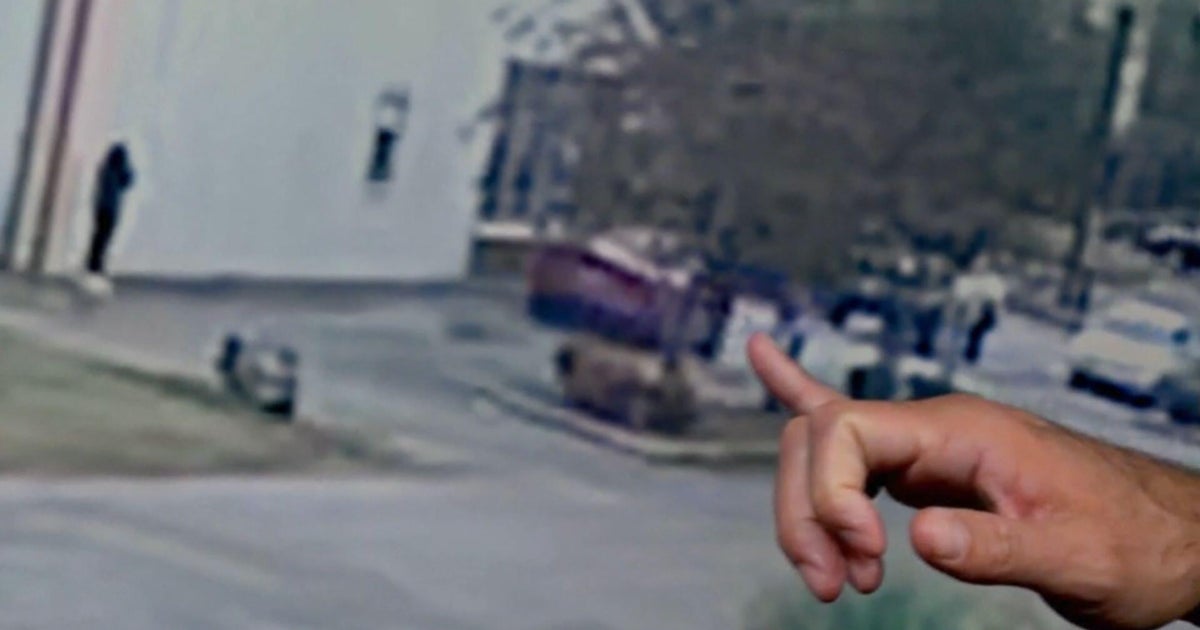
- The Lead: A husband's claim of finding his wife deceased in his car is being re-examined due to conflicting evidence from security camera footage.
- The Context: David Tolbert reported discovering his wife, Savannah Tolbert, shot in his vehicle outside a store where he was working in Huntsville, Alabama.
- The Impact: Investigators are utilizing multiple surveillance feeds to reconstruct the timeline and circumstances leading to Savannah Tolbert's death, impacting the official investigation.
- What's Next: The investigation is expected to focus on discrepancies between David Tolbert's statement and the visual evidence, potentially leading to further legal proceedings.
In Huntsville, Alabama, a story of tragic discovery is unfolding, complicated by the silent, persistent gaze of security cameras. David Tolbert informed investigators that upon returning to his car outside a local store where he was employed, he found his wife, Savannah Tolbert, lifeless in the passenger seat, having sustained a fatal gunshot wound.
What began as a reported discovery of a victim has evolved into a complex investigation, with authorities now meticulously analyzing footage from numerous security cameras to reconstruct the events leading up to Savannah Tolbert's death. This briefing examines the critical role of this digital evidence in challenging the initial account and shaping the direction of the inquiry.
The Scene: A Discovery Under Scrutiny
The initial report painted a grim picture: David Tolbert discovering his wife, Savannah, as a victim of violence. According to his statement to investigators, the discovery was made when he opened the car door. This narrative set the initial tone for the investigation, suggesting an external act of violence against Savannah Tolbert while she was in her husband's vehicle outside his place of work.
The location itself – a public area outside a store – is a crucial element, as it implies the presence of potential witnesses and, significantly, surveillance infrastructure. The reliance on these cameras by investigators highlights the initial need to verify the sequence of events as described by Mr. Tolbert, moving beyond his personal account to establish objective facts.
The Husband's Account
David Tolbert's statement provided investigators with the first detailed timeline and description of the discovery. This account is central to the case, serving as the baseline against which all other evidence is measured. The details of his return to the car and his subsequent discovery are critical points of examination.
“The ubiquitous presence of security cameras has transformed the landscape of criminal inquiry, offering an objective lens that can challenge even the most carefully constructed accounts.”
The Evidence: Cameras Tell a Different Story
The turning point in the investigation appears to be the extensive review of security camera footage. Investigators utilized multiple cameras, a common practice in such cases, to capture a wider view of the area around where the vehicle was parked. This footage offers a continuous, albeit sometimes partial, record of activity, independent of any witness statements.
The implications of this visual evidence are profound. If the security camera feeds depict a different sequence of events than what David Tolbert reported – for instance, showing who entered or exited the vehicle, the timing of those actions, or the moments leading up to Savannah's death – it directly challenges the initial narrative. This discrepancy is where the investigation pivots from a straightforward case of homicide to a more complex scenario involving potential inconsistencies in testimony.
Visualizing the Timeline
Each camera angle provides a piece of the puzzle, and when pieced together, they can create a compelling visual timeline. Investigators meticulously analyze these recordings for any detail that might contradict or corroborate statements, looking for movements, interactions, and the presence of individuals at specific times.
Reactions and Initial Fallout
While the specific details of David Tolbert's statement and the precise findings from the security cameras remain central to the ongoing investigation, the use of such technology often leads to intense scrutiny. The family of Savannah Tolbert, presumably seeking answers and justice, would be closely following every development, their hope resting on the thoroughness of the investigation.
Law enforcement agencies in Huntsville are tasked with the difficult job of separating fact from fiction, especially when initial accounts diverge from evidence. The pressure to provide clarity and closure in cases of violent death is immense, and the reliance on technology like surveillance systems underscores a modern approach to ensuring accountability.
Community Impact
Cases involving the death of a spouse, particularly when complications arise, often send ripples through a local community. Questions about safety, domestic situations, and the reliability of initial reports can foster unease and a desire for definitive answers.

Unraveling the Narrative: Competing Truths
The core tension in this case lies in the potential conflict between David Tolbert's account and the visual record provided by security cameras. Investigators are likely working to reconcile any discrepancies, which could range from minor timing issues to fundamental contradictions about how and when Savannah Tolbert sustained her fatal injury.
This situation highlights a critical aspect of modern criminal justice: the power of objective, recorded evidence. While witness testimony is vital, it is susceptible to memory errors, bias, or intentional misrepresentation. Security footage, when clear and comprehensive, offers a less subjective perspective, serving as a powerful tool to either validate or invalidate sworn statements.
The Risk of Misinterpretation
It is crucial for investigators to interpret camera footage carefully. Factors such as camera angles, lighting conditions, obstructions, and the sheer volume of data can lead to misinterpretations. A thorough analysis involves cross-referencing multiple sources and seeking expert opinions if necessary to ensure accuracy.
What Lies Ahead: The Path Forward
The investigation is now primarily focused on the evidence captured by the security cameras. Authorities will continue to analyze these recordings, potentially seeking additional footage from surrounding areas or businesses. The goal is to establish an irrefutable timeline of events and to understand the precise circumstances surrounding Savannah Tolbert's death.
Depending on the findings, the investigation could lead to charges being filed, or it could potentially exonerate David Tolbert if his account is ultimately supported by the evidence. The legal ramifications hinge entirely on how the camera footage aligns with or diverges from his statement, and what other evidence law enforcement can gather.
Key Milestones to Watch
Future developments will likely include the release of further details by law enforcement, potential interviews with additional witnesses identified through surveillance, and any official statements regarding the conclusion of the investigative phase and potential legal actions.
🎯 The Bottom Line
The Bottom Line: In the digital age, personal accounts in serious investigations are increasingly being validated or challenged by the unwavering record of security cameras, fundamentally altering how truth is established in criminal proceedings.
As this investigation continues, The Azeem USA Briefing will monitor the unfolding details, providing context and analysis on the critical role of evidence in seeking justice. Stay tuned for further updates.
Subscribe to The Azeem USA Briefing for daily insights into stories that shape the nation and the world.
📬 Reader Q&A: Key Questions Answered
Q: What was David Tolbert's initial statement to investigators?
David Tolbert told investigators he discovered his wife, Savannah Tolbert, fatally shot in the front passenger seat of his car when he opened the door outside a store where he was working.
Q: How are security cameras being used in this investigation?
Investigators are using multiple security camera feeds to meticulously reconstruct the timeline of events leading up to Savannah Tolbert's death, aiming to verify or contradict the initial account.
Q: Where did the incident take place?
The incident took place in Huntsville, Alabama.
Q: What is the main conflict in the case?
The primary conflict arises from potential discrepancies between David Tolbert's statement about discovering his wife and the evidence captured by security cameras.
Q: What are the potential outcomes of the investigation?
The investigation could lead to charges being filed if evidence contradicts the initial statement, or it could support the statement if the camera footage aligns with it.
Comments
Post a Comment