
Millions of adults struggle with basic health information, highlighting a critical need for accessible guidance and support.
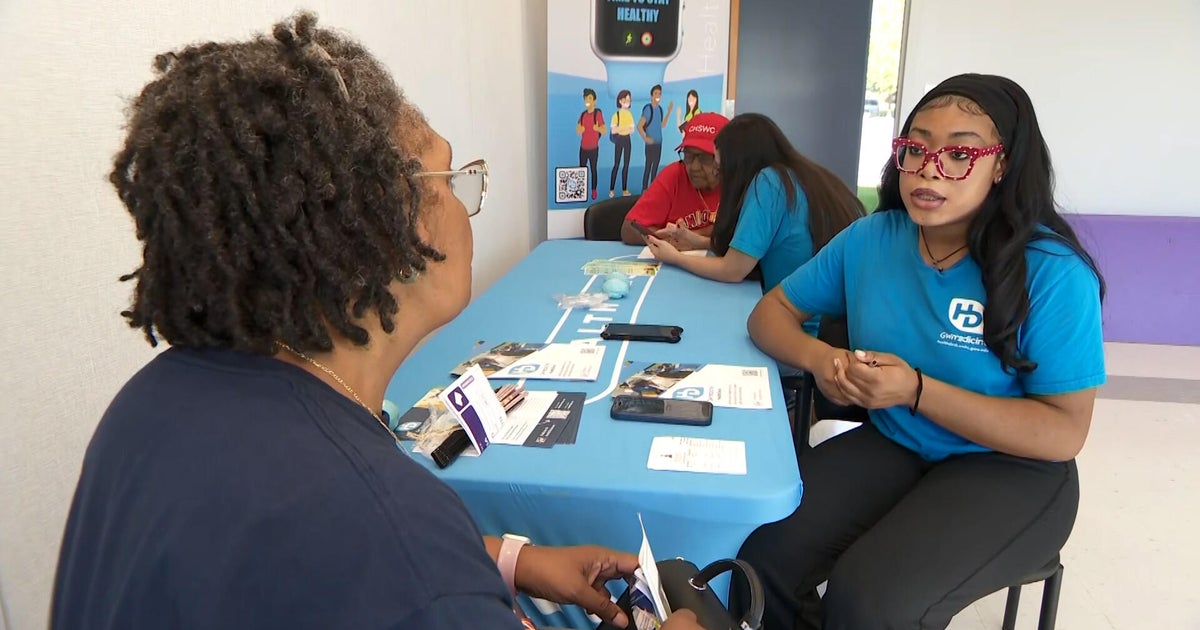
- The Lead: A significant portion of the adult population struggles with understanding and acting on basic health information, prompting the rise of community-based volunteer efforts.
- The Context: October marks Health Literacy Month, a period dedicated to raising awareness about the challenges individuals face in accessing and comprehending health-related data.
- The Impact: Poor health literacy can lead to delayed diagnoses, medication errors, and poorer health outcomes, disproportionately affecting vulnerable communities.
- What's Next: Continued growth in volunteer programs and potential policy interventions are expected to address the widespread need for improved health navigation skills.
In communities across the nation, a quiet epidemic is unfolding: millions of adults find themselves adrift in a sea of complex medical jargon, confusing insurance forms, and overwhelming healthcare instructions. This year, as October unfolds as Health Literacy Month, the stark reality is that a significant portion of the population struggles with the fundamental skills needed to navigate their own health effectively.
From understanding prescription labels to scheduling appointments and interpreting test results, the ability to access, understand, and act on health information is paramount for well-being. Yet, a recent study underscores the pervasiveness of this challenge, revealing that one-third of adults face difficulties with these basic tasks. This briefing delves into the critical work of dedicated volunteers who are stepping into this void, offering guidance and support to those most affected.
The Silent Struggle: Understanding Health Literacy Challenges
Health literacy is more than just the ability to read; it encompasses a range of skills, including understanding instructions, making informed decisions about treatments, and navigating the intricate landscape of healthcare providers and insurance plans. When these skills are lacking, the consequences can be profound. Individuals may miss crucial appointments, misunderstand medication dosages, or fail to recognize warning signs of illness, leading to preventable hospitalizations and poorer health outcomes.
The issue is often compounded by systemic factors, such as the complexity of medical terminology, the fast pace of doctor's visits, and the sheer volume of information individuals are expected to process. For those with limited educational backgrounds, language barriers, or cognitive impairments, the challenge of achieving health literacy becomes even more daunting, creating a cycle of disadvantage.
Disparities in Understanding
These challenges are not evenly distributed. Research consistently shows that individuals from lower socioeconomic backgrounds, minority groups, and older adults are disproportionately affected by low health literacy, exacerbating existing health disparities.
“The challenge isn't just about reading; it's about understanding complex systems and making informed decisions about one's own well-being.”
Community Champions: The Rise of Health Navigators
In response to this widespread need, a growing network of volunteers is emerging as vital bridges across the health literacy gap. These individuals, often with backgrounds in healthcare, social work, or simply a passion for community service, dedicate their time to helping adults understand their health better. They work in community centers, libraries, and even directly with individuals, offering patient, personalized guidance.
These volunteers act as trusted intermediaries, translating complex medical information into understandable terms, assisting with appointment scheduling, explaining insurance benefits, and empowering individuals to ask the right questions during doctor's visits. Their efforts go beyond mere information dissemination; they provide emotional support and build confidence, fostering a sense of agency in individuals who may have previously felt overwhelmed and disempowered by the healthcare system.
A Personal Touch in a Complex System
The effectiveness of these programs often lies in their ability to provide a human connection, offering a level of care and attention that can be difficult to find within the traditional, time-constrained medical setting.
Impact on Health Outcomes and Healthcare Systems
The implications of improved health literacy extend far beyond individual understanding; they ripple through the entire healthcare ecosystem. When individuals are better equipped to manage their health, rates of preventable diseases decrease, chronic conditions are managed more effectively, and the reliance on costly emergency room visits diminishes.
For healthcare systems, this translates into reduced readmission rates, better adherence to treatment plans, and potentially lower overall healthcare expenditures. Public health initiatives also benefit, as campaigns and educational materials become more accessible and impactful when the target audience can readily understand and act upon the information provided. The investment in health literacy is, therefore, an investment in a healthier, more efficient future for all.
Economic Ripples
Beyond direct health impacts, enhanced health literacy can also boost economic productivity by reducing absenteeism and improving the overall well-being of the workforce.

Navigating the System: Barriers and Solutions
The path to improved health literacy is fraught with challenges. Beyond individual comprehension, systemic barriers persist. Healthcare providers often operate under tight schedules, limiting their ability to engage in in-depth patient education. The complexity of insurance policies, with their intricate networks, deductibles, and co-pays, remains a significant hurdle for many.
Solutions require a multi-pronged approach. Healthcare institutions are increasingly exploring patient-centered communication strategies, utilizing plain language, visual aids, and teach-back methods to ensure understanding. Technology also plays a role, with the development of user-friendly health apps and online resources designed to simplify information. Crucially, continued support and expansion of community-based volunteer programs are essential to reach those who may not engage with traditional healthcare channels.
Policy and Advocacy
Advocacy for clearer public health communication and simplified healthcare policies is also a critical component in dismantling these systemic barriers.
The Path Forward: Strengthening Health Literacy for All
As Health Literacy Month draws to a close, the ongoing need for accessible, understandable health information remains a pressing concern. The dedicated efforts of volunteers offer a powerful model for community-driven solutions, demonstrating that personalized support can make a tangible difference in people's lives. However, addressing this issue at scale requires a concerted effort from healthcare providers, policymakers, educators, and community organizations.
Moving forward, the focus must be on integrating health literacy principles into all aspects of healthcare and public health. This includes training healthcare professionals in effective communication, simplifying administrative processes, and investing in educational initiatives that empower individuals from an early age. By fostering a society where health information is truly accessible and understandable, we can build a healthier future for everyone.
A Collective Responsibility
Ultimately, improving health literacy is a shared responsibility that requires ongoing commitment and innovation to ensure that all individuals have the knowledge and confidence to manage their health effectively.
🎯 The Bottom Line
The Bottom Line: The pervasive struggle with health literacy represents a significant barrier to equitable healthcare and individual well-being. While October shines a spotlight on this issue, the work of volunteers and the call for systemic change must continue year-round to ensure everyone can navigate their health with confidence.
Thank you for joining us for this edition of The Azeem USA Briefing. We will continue to monitor developments in health literacy and its impact on communities. Stay informed, stay engaged.
Subscribe to The Azeem USA Briefing for daily insights into the stories shaping our world.
📬 Reader Q&A: Key Questions Answered
Q: What is health literacy?
Health literacy is the degree to which individuals have the capacity to obtain, process, and understand basic health information and services needed to make appropriate health decisions.
Q: Why is health literacy important?
It is crucial for individuals to make informed decisions about their health, manage chronic conditions, prevent illnesses, and navigate the healthcare system effectively, leading to better health outcomes and reduced healthcare costs.
Q: Who is most affected by low health literacy?
Populations disproportionately affected include older adults, individuals with limited education, non-native English speakers, and those from lower socioeconomic backgrounds.
Q: How can I help improve health literacy in my community?
You can volunteer with local organizations that offer health education, advocate for clearer health communication from providers and institutions, and share reliable health information in simple terms with friends and family.
Q: What is Health Literacy Month?
Health Literacy Month is an annual observance in October dedicated to raising awareness about the importance of health literacy and promoting efforts to improve it nationwide.
Comments
Post a Comment