
Hundreds of thousands in donations from trucking companies with safety violations to a small town mosque have triggered concerns over potential fraud and foreign ties.
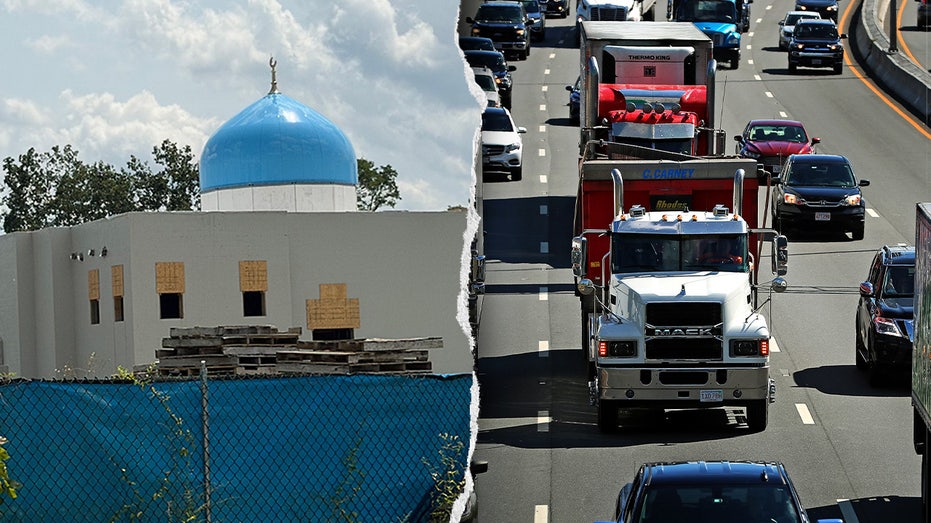
- The Lead: Uzbek trucking companies with documented safety issues have reportedly donated hundreds of thousands of dollars to the Islamic Center of Maineville, Ohio.
- The Context: The companies, operating under foreign ownership, have faced scrutiny for safety violations within the U.S. trucking industry.
- The Impact: The donations raise concerns about potential financial fraud, money laundering, and undue foreign influence on local U.S. institutions.
- What's Next: Federal agencies may investigate the source of funds and the legitimacy of the donations, alongside the mosque's financial oversight.
In the quiet town of Maineville, Ohio, a significant financial revelation has sent ripples of concern through the community and beyond. Reports indicate that Uzbek trucking companies, many reportedly flagged for serious safety violations, have contributed hundreds of thousands of dollars to the local Islamic Center.
This development has ignited a firestorm of questions regarding the origin of these funds, the legitimacy of the donations, and the potential for illicit financial activities. The Azeem USA Briefing delves into the unfolding details, exploring the implications for the mosque, the trucking industry, and regulatory oversight.
What We Know So Far: The Donations Unveiled
An investigative report by Fox News Digital has brought to light substantial financial contributions made to the Islamic Center of Maineville by trucking companies with ties to Uzbekistan. These donations, amounting to hundreds of thousands of dollars, are now under intense scrutiny due to the operational background of the contributing entities.
Sources indicate that some of these trucking firms have a documented history of serious safety violations on U.S. roadways, a fact that has amplified concerns about the source and intent of the funds. The sheer volume of the donations from entities facing such operational challenges has raised immediate red flags for financial watchdogs and community leaders alike.
The Mosque's Position
The Islamic Center of Maineville has yet to issue a comprehensive statement addressing the specifics of these donations, leaving a void that fuels speculation and concern within and outside the community.
“The influx of substantial sums from entities facing operational and safety concerns demands a thorough examination of financial flows and potential illicit activities.”
The Trucking Industry Under a Microscope
The U.S. trucking industry is a critical component of the nation's supply chain, but it is also subject to rigorous safety regulations. Companies operating within this sector, particularly those with foreign ownership or management, face constant oversight from agencies like the Federal Motor Carrier Safety Administration (FMCSA).
Reports of serious safety violations suggest that the trucking companies in question may have failed to meet these essential standards. When such entities are simultaneously making large financial contributions to U.S. non-profits, it prompts a closer look at their financial health, their operational compliance, and whether these donations could be a means to obscure financial improprieties or exert influence.
Regulatory Hurdles and Compliance
The U.S. Department of Transportation and other relevant bodies are tasked with ensuring the safety and compliance of commercial vehicles. The alleged violations by these specific companies suggest a potential breakdown in oversight or a deliberate disregard for safety protocols.
Community Impact and Mosque Response
For the Islamic Center of Maineville, the revelations present a complex challenge. While the mosque serves as a vital community hub, the source of its funding is crucial for maintaining public trust and ensuring compliance with non-profit regulations. The substantial donations, when viewed through the lens of the trucking companies' safety records, create an uncomfortable juxtaposition.
Community members, both within the congregation and the broader Maineville area, are likely seeking clarity and reassurance. The potential for the mosque to be inadvertently involved in or a beneficiary of questionable financial practices could have significant reputational and operational consequences, impacting its ability to serve its members and the wider community.
Seeking Transparency
Leaders of the Islamic Center face the immediate need to address these concerns transparently, outlining their due diligence processes regarding donations and assuring the public of their commitment to ethical financial stewardship.

Navigating Financial Transparency and Foreign Influence
The situation in Maineville touches upon broader national concerns regarding financial transparency and the potential for foreign entities to exert influence through donations. U.S. law has provisions to prevent foreign governments or individuals from influencing U.S. elections or policies through financial means, but the lines can blur when it comes to non-profit organizations.
Experts in financial crime and national security warn that large, unexplained donations from foreign-based companies, especially those with a history of regulatory issues, can be indicative of money laundering, sanctions evasion, or attempts to build leverage. The scale of these donations suggests a strategic financial outlay that warrants careful examination by financial intelligence units.
The Risk of Exploitation
The U.S. non-profit sector, while vital for societal good, can be a target for those seeking to legitimize illicit funds or gain indirect influence. Robust Know Your Customer (KYC) and anti-money laundering (AML) protocols are essential for organizations receiving significant contributions.
Looking Ahead: Investigations and Oversight
The implications of these donations are likely to draw the attention of federal agencies. The Department of Justice, the Treasury Department (including FinCEN), and potentially the Department of Transportation could all have an interest in investigating the financial flows and the operational compliance of the trucking companies involved.
The Islamic Center of Maineville itself may also come under increased scrutiny regarding its financial reporting and oversight mechanisms. Ensuring that charitable organizations maintain impeccable standards of financial integrity is paramount to preserving their mission and the public's trust.
Key Milestones to Watch
Expect potential inquiries from regulatory bodies, a formal response from the mosque leadership, and increased scrutiny on the financial operations of foreign-owned businesses in the U.S. transportation sector.
🎯 The Bottom Line
The Bottom Line: This unfolding situation in Maineville, Ohio, serves as a stark reminder of the interconnectedness of global commerce, financial integrity, and local community institutions. The substantial donations from Uzbek trucking firms with safety violations necessitate a thorough investigation to ensure U.S. financial channels are not being exploited for illicit purposes.
The Azeem USA Briefing will continue to monitor developments closely, providing you with the critical context and analysis you need to understand the evolving landscape. Stay informed.
Subscribe to The Azeem USA Briefing for daily insights into the stories shaping America and the world.
📬 Reader Q&A: Key Questions Answered
Q: What specific safety violations were reported for the trucking companies?
While the exact nature of all violations was not detailed in the initial report, it is understood that they pertain to serious safety issues relevant to commercial trucking operations within the United States.
Q: Are these donations illegal?
The legality of the donations depends on their source and purpose. If the funds are derived from illegal activities or intended to circumvent regulations, they could be deemed illegal. Investigations will aim to clarify this.
Q: What is the role of the Islamic Center of Maineville in this?
The Islamic Center is the recipient of the donations. Their responsibility lies in ensuring the funds are legitimate and properly reported according to non-profit regulations. They are not accused of wrongdoing but are central to the inquiry regarding the source of funds.
Q: Could this indicate foreign government influence?
While the report focuses on private companies, significant financial flows from foreign entities can sometimes be linked to broader state interests or attempts to gain influence. However, direct government ties have not been established in this specific report.
Q: What are the potential consequences for the trucking companies?
If found to be involved in financial impropriety or further regulatory violations, the companies could face severe penalties, including fines, asset forfeiture, and operational bans.
Comments
Post a Comment