
A major crackdown on a cross-border operation highlights the intricate ties between stolen vehicles and cartel financing.
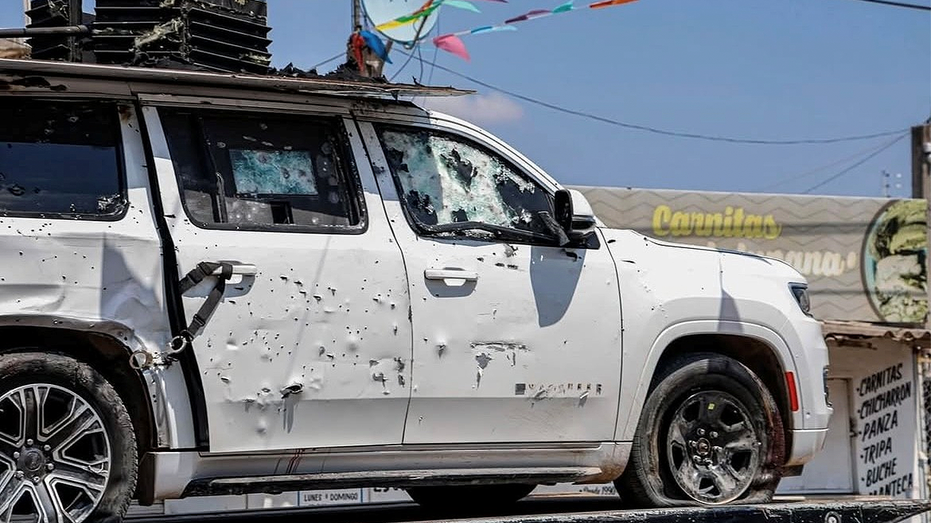
- The Lead: Federal authorities have charged 13 individuals in a large-scale scheme to steal vehicles and transport them across the border for Mexican cartels.
- The Context: The operation, dubbed 'Southbound Takedown,' aimed to disrupt a critical supply chain for cartel operations, linking vehicle theft to organized crime funding.
- The Impact: The crackdown resulted in the seizure of 29 stolen vehicles valued at $1.14 million, directly impacting the cartels' operational capacity and financial networks.
- What's Next: Investigators are focused on identifying further connections within the network and preventing future diversion of stolen vehicles to criminal organizations.
In a significant blow to transnational criminal networks, federal authorities have dismantled a sophisticated pipeline funneling stolen vehicles to Mexican cartels. The multi-agency effort, known as Operation Southbound Takedown, culminated in the charging of 13 individuals allegedly responsible for orchestrating the theft and illicit transfer of dozens of cars across the U.S.-Mexico border, primarily through El Paso, Texas.
This operation is more than just a recovery of stolen property; it strikes at the financial underpinnings of powerful cartels, highlighting how everyday crimes like car theft can directly fuel the machinery of organized crime. This briefing dives into the details of the crackdown, its broader implications for border security, and what it means for the ongoing fight against cartel operations.
Operation Southbound Takedown: The Core Facts
The FBI, Homeland Security Investigations (HSI), and U.S. Customs and Border Protection (CBP) spearheaded Operation Southbound Takedown, a coordinated effort that has brought to light a systematic operation designed to exploit vulnerabilities in vehicle security and border control. Over the course of the investigation, agents identified a network that allegedly procured stolen vehicles from various locations, consolidated them, and then facilitated their movement into Mexico. The sheer volume and value of the recovered assets underscore the scale of the alleged operation.
The 29 vehicles seized, ranging from everyday sedans to more robust trucks, are estimated to be worth approximately $1.14 million. This figure represents not only the market value of the cars but also the capital that these vehicles could have generated for cartel activities. Authorities believe these vehicles were intended for use in a variety of illicit operations, including transport of narcotics, weapons, and personnel, making them critical assets for the cartels' daily functioning.
The Alleged Modus Operandi
Investigators detailed how the scheme involved individuals acting as thieves, transporters, and facilitators, each playing a role in moving the stolen cars from their point of origin to the border and ultimately into Mexico, often bypassing official checkpoints or utilizing corrupt channels.
“The seizure of vehicles valued at over $1.14 million directly curtails the cartels' ability to conduct daily operations, from transportation to illicit activities.”
Roots of the Scheme: How Stolen Cars Fuel Cartels
The connection between stolen vehicles and cartel financing is well-established. For cartels, stolen cars represent a relatively low-risk, high-reward asset. They can be quickly resold in black markets, used as collateral for loans, or, as in this case, directly integrated into their operational infrastructure. The ability to acquire vehicles cheaply and swiftly via theft and illicit trafficking allows cartels to maintain mobility and expand their reach without significant capital investment.
El Paso, strategically located on the U.S.-Mexico border, serves as a critical transit point for numerous illicit goods. Its proximity to major highways and its position as a hub for cross-border activity make it an attractive location for criminal organizations to establish operations. The 'Southbound Takedown' highlights how these organizations leverage established smuggling routes and networks to move not just drugs and people, but also valuable assets like vehicles.
A Lucrative, Low-Risk Venture
Compared to the high-stakes, high-interdiction risks associated with drug or arms smuggling, moving stolen vehicles can be perceived as a more manageable criminal enterprise, offering a steady stream of revenue and operational assets.
Law Enforcement Response and Key Arrests
The indictment of 13 individuals marks a significant success for the multi-agency task force. While the specific identities and roles of all charged parties have not been fully detailed, the charges likely include conspiracy to transport stolen vehicles, interstate transportation of stolen property, and potentially money laundering. These charges reflect the federal nature of the crime, spanning state lines and international borders.
The operation involved extensive surveillance, intelligence gathering, and coordinated enforcement actions across multiple jurisdictions. This level of inter-agency cooperation is crucial for tackling complex criminal enterprises that operate beyond the reach of any single law enforcement body. The success of 'Southbound Takedown' is a testament to the power of shared intelligence and resources in combating sophisticated criminal networks.
Targeting the Network's Pillars
Law enforcement officials emphasized that the arrests are aimed at dismantling the entire network, from the individuals who steal the cars to those who arrange their transport and delivery to the cartels.

The Complexities of Border Crime and Cartel Finance
This operation underscores the intricate and multifaceted nature of cartel operations. Beyond the highly visible drug trade, cartels engage in a wide array of illicit activities to fund their empires, including human trafficking, extortion, and the theft and sale of stolen goods. Vehicle theft is a critical component of this diversified financial strategy, providing both immediate cash flow and essential logistical assets.
The challenge for law enforcement lies in the adaptability and reach of these organizations. As one avenue is disrupted, cartels often shift resources or develop new methods to maintain their operations. The sheer volume of vehicles stolen annually in the U.S. provides a constant supply for such illicit markets, making sustained interdiction efforts essential. The El Paso corridor, while a focus of this operation, is one of many points where such illicit activities can occur.
A Global Challenge
The fight against cartel financing is a global endeavor, requiring international cooperation to track illicit funds and seize assets that fuel violence and instability.
What Comes Next: Interdicting the Flow
The immediate aftermath of Operation Southbound Takedown will likely involve further investigation into the broader network, potentially leading to more arrests and the recovery of additional stolen assets. Law enforcement will also be analyzing the intelligence gained to identify weaknesses in current security protocols and implement stronger preventive measures against vehicle theft and cross-border smuggling.
Looking ahead, the focus will remain on disrupting these vital funding streams. This includes enhancing surveillance at border crossings, improving vehicle identification technologies, and strengthening partnerships with international law enforcement agencies to track stolen vehicles once they enter Mexico. The sustained pressure on cartel finances, through operations like this, is considered a key strategy in degrading their overall capacity to operate.
Preventive Measures and Future Operations
Authorities are exploring enhanced public awareness campaigns and technological solutions to deter vehicle theft and aid in the recovery of stolen property before it can be trafficked.
🎯 The Bottom Line
The Bottom Line: The crackdown on this stolen car pipeline is a critical step in disrupting the financial ecosystem of Mexican cartels, demonstrating that even seemingly common crimes can have profound implications for national security and transnational crime.
As law enforcement continues to target the various revenue streams that empower these criminal organizations, vigilance and robust international cooperation remain paramount in stemming the tide of illicit activity. Thank you for joining us for this in-depth briefing. Stay informed, and stay safe.
Subscribe to The Azeem USA Briefing for daily insights into the stories shaping America and the world.
📬 Reader Q&A: Key Questions Answered
Q: What was Operation Southbound Takedown?
It was a federal law enforcement operation targeting a scheme to steal vehicles in the U.S. and funnel them to Mexican cartels.
Q: How many individuals were charged?
Thirteen individuals were charged in connection with the operation.
Q: What was the value of the seized vehicles?
The 29 recovered vehicles were valued at approximately $1.14 million.
Q: Why are stolen cars important to cartels?
Stolen cars provide cartels with operational assets for transportation and logistics, and can be resold or used as collateral for financing.
Q: Which agencies were involved?
Key agencies included the FBI, Homeland Security Investigations (HSI), and U.S. Customs and Border Protection (CBP).
Comments
Post a Comment