
Massive AI infrastructure projects are igniting local opposition nationwide, reshaping political battlegrounds.
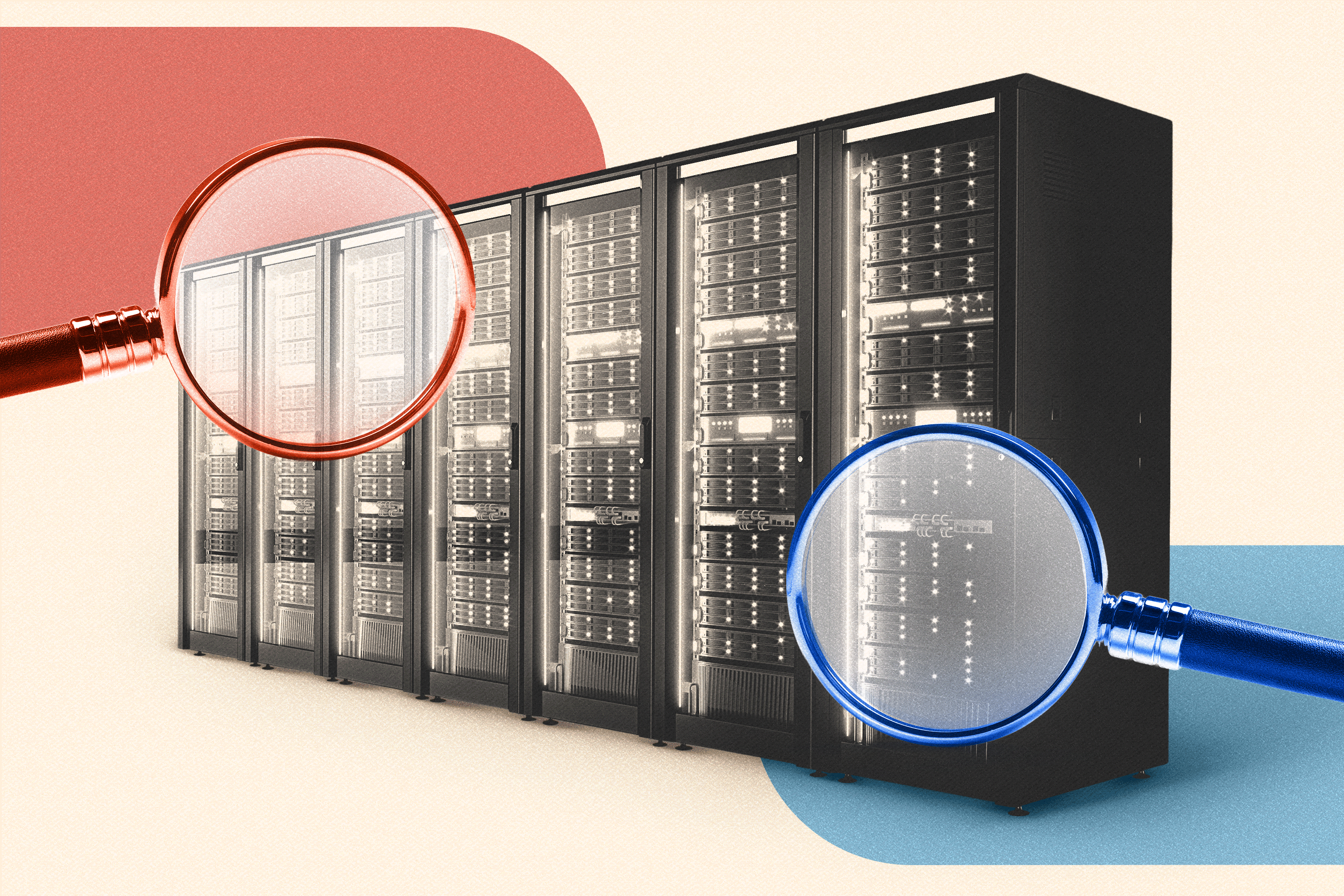
- The Lead: Opposition to new AI data center construction is surging across the U.S., uniting diverse voter groups.
- The Context: The rapid build-out of data centers, fueled by AI demand, faces backlash due to high water and electricity usage.
- The Impact: Local communities fear increased utility costs and strained resources, creating a potent grassroots movement.
- What's Next: Midterm candidates will increasingly be forced to address data center concerns as local anger translates into electoral pressure.
In towns and suburbs across America, a quiet battle is unfolding over the sprawling, energy-hungry facilities powering the artificial intelligence revolution. These data centers, once relegated to the background hum of the digital economy, are now igniting fierce local opposition, transforming from an obscure infrastructure issue into a potent political force that could reshape the upcoming midterm elections.
What was barely a whisper in the last election cycle has become a roar, amplified by growing concerns over rising living costs and resource strain. This briefing delves into the grassroots movement challenging data center construction, its deep roots in community anxieties, and why it has suddenly become a critical flashpoint for politicians nationwide.
The AI Infrastructure Boom: What We Know So Far
The relentless advance of artificial intelligence, from sophisticated chatbots to complex data analysis, demands an unprecedented level of computational power. This translates into a massive build-out of data centers – colossal facilities designed to store, process, and distribute digital information. Fueled by the insatiable appetite for AI, these centers are multiplying rapidly, often in areas previously unaccustomed to such industrial-scale infrastructure. Their sheer size and operational needs, however, are beginning to draw significant scrutiny.
These facilities are not merely passive repositories of data; they are active consumers of energy and water. Reports indicate that a single large data center can consume as much electricity as thousands of homes and require vast quantities of water for cooling systems, placing immense pressure on local grids and water supplies. This immense demand is the primary catalyst for the growing unease among residents who fear the tangible consequences for their daily lives and utility bills.
The Operational Footprint
The core issue lies in the operational intensity. Unlike traditional industrial facilities, data centers operate 24/7, requiring constant power and cooling. This continuous demand is what directly links their construction to potential hikes in electricity and water rates for the surrounding communities, as utility providers scramble to meet the increased load or invest in costly upgrades.
“What was barely a blip on the radar in the last election cycle has become a potent, cross-party issue driven by tangible fears of rising household costs.”
From Obscurity to Outrage: How We Got Here
For years, data centers operated largely out of the public eye, seen as a necessary, albeit unglamorous, component of the digital age. Their construction was often met with minimal local resistance, overshadowed by the promise of jobs and economic development. However, the explosive growth of AI, coupled with broader anxieties about inflation and resource scarcity, has fundamentally shifted public perception.
The current midterm cycle is heavily focused on bread-and-butter issues like inflation and the cost of living. As utility bills have climbed, residents are scrutinizing any new developments that could exacerbate these financial pressures. Data centers, with their voracious appetite for electricity and water, have become a clear target for this concern. What was once an abstract technological need is now a concrete local problem with a direct impact on household budgets.
The Gallup Poll Awakening
A recent Gallup poll underscores this dramatic shift, revealing that over 70% of Americans now oppose the construction of AI data centers in their local areas. This overwhelming sentiment indicates a widespread recognition of the infrastructure's local impact and a growing distrust of the narrative that technological progress automatically benefits everyone without consequence.
Community Backlash and Political Stirrings
Across the nation, a new wave of grassroots activism is coalescing around the issue of data center development. Organizations like the Data Center Opposition Project are meticulously tracking and supporting a burgeoning network of local nonprofits. These groups, often formed organically by concerned residents, are becoming powerful advocates, organizing protests, attending public hearings, and demanding greater transparency and accountability from developers and local governments.
This groundswell of opposition is not confined to any single political ideology. Environmentalists concerned about water usage and carbon footprints find common cause with fiscal conservatives worried about the strain on public resources and potential tax burdens. The unifying factor is a shared concern for local quality of life and the economic well-being of their communities, making data centers a potent, cross-partisan issue that politicians can no longer afford to ignore.
Electoral Implications
As election campaigns ramp up, candidates are finding themselves on the defensive, pressured to take clear stances on data center proposals. Local races, in particular, are becoming battlegrounds where this issue can sway undecided voters and energize opposition. The challenge for incumbents and challengers alike is to navigate the complex demands of technological progress against the immediate needs and concerns of their constituents.

The High Cost of Progress: Competing Demands
The debate over data centers is fundamentally a clash between the perceived benefits of technological advancement and the tangible costs imposed on local communities. Proponents, including tech companies and some economic development advocates, emphasize the job creation, tax revenue, and the essential role these facilities play in powering the future digital economy. They argue that stringent environmental regulations and modern cooling technologies can mitigate many of the concerns.
However, critics argue that the promised economic benefits are often overstated or do not adequately compensate for the long-term strain on resources. They point to instances where water rights have been diverted or electricity prices have risen, directly impacting residents and businesses. The core tension lies in who bears the burden of this rapid expansion: the global tech industry or the local populations footing the bill for its infrastructure needs.
Balancing Innovation and Sustainability
Finding a sustainable path forward requires a delicate balancing act. Policymakers face pressure to foster innovation and attract investment in AI infrastructure while simultaneously protecting local resources and ensuring that the costs of development do not disproportionately fall on existing residents. This necessitates robust environmental impact assessments, transparent public consultations, and potentially new regulatory frameworks governing data center development.
The Midterm Reckoning: What Happens Next
The upcoming midterm elections are shaping up to be a critical test for how political leaders address the complex challenges posed by data center expansion. As voter opposition solidifies, candidates will increasingly be judged on their platforms regarding infrastructure development, resource management, and the balance between economic growth and community impact. Expect to see data center policies become a more prominent plank in campaign rhetoric, particularly in states and localities grappling with new proposals.
The growing momentum of grassroots opposition suggests that this issue will not dissipate after election day. It signals a broader public demand for greater local control over infrastructure projects that have significant environmental and economic consequences. The outcome of these races could set precedents for how future technological developments are integrated into communities, potentially leading to stricter regulations or a more localized approach to approving such massive undertakings.
Signals to Watch
Beyond election results, monitor legislative efforts at state and local levels to regulate data center construction. Pay attention to any shifts in corporate siting strategies and the types of incentives or concessions companies are willing to offer to gain community approval. The ongoing dialogue and the evolving landscape of public opinion will be key indicators of the long-term trajectory of AI infrastructure development.
🎯 The Bottom Line
The Bottom Line: Data centers have emerged from the technological shadows to become a potent political force, leveraging widespread concerns over utility costs and resource strain. Their impact on the midterms will depend on how effectively candidates can address this complex, cross-partisan issue and balance the demands of AI expansion with the immediate needs of local communities.
As this debate intensifies, The Azeem USA Briefing will continue to provide in-depth analysis of the forces shaping our political and economic landscape. Stay informed, stay engaged.
Subscribe to The Azeem USA Briefing for daily insights into the stories that matter.
📬 Reader Q&A: Key Questions Answered
Q: What exactly is a data center?
A data center is a facility that houses computer systems and associated components, such as servers, telecommunications equipment, and storage systems, to centralize, process, and disseminate data.
Q: Why are data centers suddenly a political issue?
Their rapid expansion, driven by AI, has brought their massive electricity and water consumption to the forefront, directly impacting local utility costs and resources, which voters are increasingly concerned about.
Q: Are all data centers bad for communities?
The opposition is specifically focused on the scale and resource demands of new AI-driven data centers. While data centers provide jobs and tax revenue, the concern is whether these benefits outweigh the strain on local infrastructure and potential cost increases for residents.
Q: What is the 'Data Center Opposition Project'?
It is an organization that tracks the rise of grassroots non-profits across the U.S. that are organizing opposition to new data center construction, providing resources and support to local groups.
Q: How might this affect the midterms?
The widespread public opposition could become a key voting issue, forcing candidates to take stances that could either alienate or galvanize significant portions of the electorate, potentially influencing election outcomes, especially in local and state races.
Comments
Post a Comment