Breaking: Paramount-Skydance-WBD Merger FINALIZED; Supreme Court Denies Halt 🚨 Breaking News Analysis 📸 Image Credit: finance.yahoo.com By Azeem-USA · Tue Oct 06 2026 English (en-US) The media landscape has been irrevocably altered as the $110 billion merger between Paramount and Warner Bros. Discovery officially closed on Tuesday. The Supreme Court, via Justice Elena Kagan, denied a last-minute attempt to block the deal, paving the way for the creation of a new, formidable entity known as Skydance. This monumental transaction, which unites the streaming services of Paramount+ and HBO Max under one roof, marks the culmination of a near year-long, often contentious, battle for control of one of Hollywood's most storied empires. This analysis breaks down the critical details of the finalized merger, examines the immense scale of the newly formed company, explores the immediate implications for the streaming wars and content creation, and looks...

🚨 Breaking News Analysis
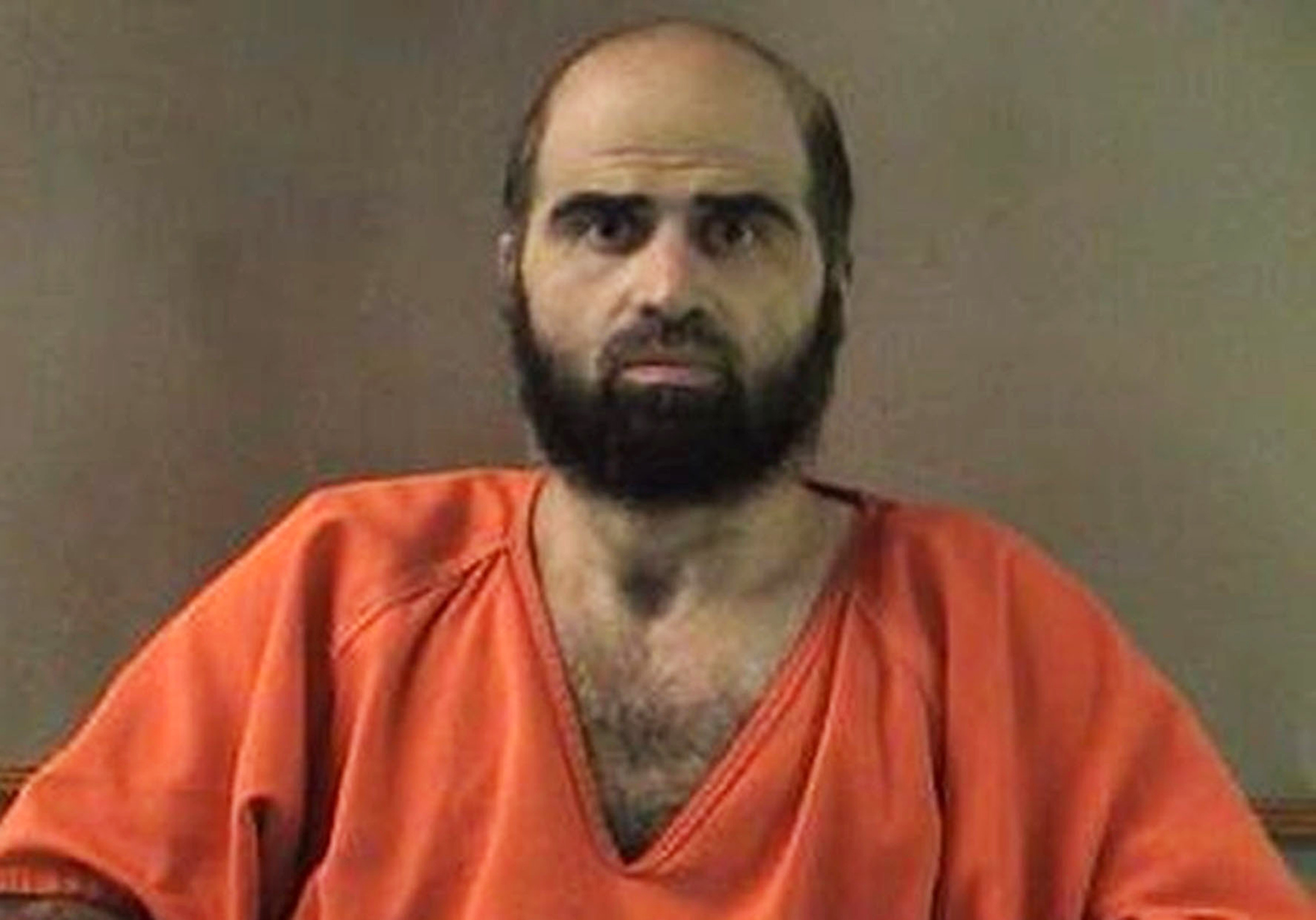
The Pentagon has officially announced that Nidal Malik Hasan, the former Army major responsible for the deadly 2009 Fort Hood mass shooting, will be executed by firing squad. This landmark decision follows a recommendation by Secretary of War Pete Hegseth and formal approval by President Donald Trump, marking a significant shift in how the federal government handles cases of domestic terrorism.
This analysis examines the details of the execution order, the historical significance of the firing squad method, and the broader implications for the U.S. military and national security.
📑 Table of Contents
1. The Pentagon Announcement
In a swift statement released on Monday, chief Pentagon spokesman Sean Parnell confirmed that the death sentence for Nidal Malik Hasan has been finalized. The decision ends years of legal maneuvering and appeals following Hasan's conviction for terrorism and capital murder. Parnell noted that the Secretary of the Army is now tasked with determining the specific timeline and location for the execution.
The announcement emphasizes that Hasan is classified as a convicted jihadist who opened fire on unarmed American soldiers. By moving forward with an execution order of this nature, the current administration is signaling a definitive stance against internal threats and acts of betrayal within the armed forces.
The Presidential Approval Process
President Trump's direct approval of the recommendation reflects a high-level priority on closing this case, moving away from the standard bureaucratic delays often seen in federal capital punishment cases.
2. The Historical Context: The 2009 Fort Hood Massacre
On November 5, 2009, Nidal Malik Hasan, then a staff psychiatrist serving as a major in the U.S. Army, stormed a personnel center at Fort Hood, Texas. The attack resulted in the deaths of 13 soldiers and injured over 30 others. The event remains one of the deadliest mass shootings on U.S. soil in history.
For years, Hasan claimed his motives were rooted in opposition to U.S. military involvement in Afghanistan. While he refused to represent himself during his trial, the evidence was overwhelming, leading to his conviction on multiple counts, including 13 counts of capital murder.
A Legacy of Military Trauma
The Fort Hood shooting left deep scars on the military community, leading to long-standing debates about radicalization within the ranks and the vulnerability of service members to internal threats.
3. Why the Firing Squad Method Was Chosen

The choice of a firing squad rather than lethal injection or other methods is a notable aspect of this ruling. While lethal injection is the standard method in many jurisdictions, the firing squad has deep historical roots in military justice. Using this method is seen by many as a symbolic and literal retribution for a soldier who committed crimes against his own comrades.
Analysts suggest that utilizing a firing squad serves as a stark reminder of the military's authority and the code of discipline. It also distinguishes this case from civilian capital punishment, framing the act specifically as a matter of military law and betrayal.
Military Justice Precedents
The Army has historically utilized the firing squad for court-martial executions, and its resurgence here highlights a return to more traditional forms of military capital punishment.
4. Political and Military Implications
This decision is expected to resonate strongly across the political landscape. For supporters of the administration, the execution represents long-overdue justice for the families of the victims at Fort Hood. Conversely, the move may spark debates regarding the ethics of capital punishment and the specific methods used by the state.
Within the military, the decision may reinforce a zero-tolerance policy toward domestic terrorism. However, it also brings back questions regarding how a commissioned officer was able to go undetected until such an attack, potentially leading to renewed scrutiny of internal oversight and psychological screening for military personnel.
National Security Posture
The swift nature of the approval suggests that the administration wants to project a clear message to any individuals considering similar acts against the U.S. military.
5. What Happens Next for Hasan
The focus now shifts to the Secretary of the Army, who must finalize the logistical details of the execution. This includes securing a facility and coordinating the personnel who will carry out the order. While the order has been given, legal teams may attempt final last-ditch appeals to delay the execution date.
Regardless of the timeline, the Pentagon has made it clear that the time for Hasan's imprisonment is over. The families of the 13 victims who have waited over a decade for closure are now facing the final conclusion of this legal chapter.
Monitoring the Timeline
Observers will be watching for official announcements from the Army regarding the specific date, which is expected to occur in the coming months.
🔥 Follow Azeem-USA for live updates as the execution timeline is announced.
Conclusion
Nidal Malik Hasan is set to face execution by firing squad for the 2009 Fort Hood massacre. This decision, approved by President Trump and recommended by Secretary Hegseth, marks a pivotal moment in military justice and domestic terrorism policy.
Watch for official statements from the Pentagon regarding the specific execution date and any final legal challenges that may arise.
❓ FAQ
How many people did Nidal Malik Hasan kill in the Fort Hood shooting?
Hasan killed 13 soldiers and injured over 30 others.
What method will be used for the execution?
The Pentagon has announced he will be executed by a firing squad.
Who was Nidal Malik Hasan prior to the shooting?
He was a major in the U.S. Army and a staff psychiatrist.
Who approved the execution order?
The Secretary of War Pete Hegseth recommended it, and President Donald Trump approved it.
When will the execution take place?
The Secretary of the Army is currently setting the time and place.
Comments
Post a Comment