Breaking: Paramount-Skydance-WBD Merger FINALIZED; Supreme Court Denies Halt 🚨 Breaking News Analysis 📸 Image Credit: finance.yahoo.com By Azeem-USA · Tue Oct 06 2026 English (en-US) The media landscape has been irrevocably altered as the $110 billion merger between Paramount and Warner Bros. Discovery officially closed on Tuesday. The Supreme Court, via Justice Elena Kagan, denied a last-minute attempt to block the deal, paving the way for the creation of a new, formidable entity known as Skydance. This monumental transaction, which unites the streaming services of Paramount+ and HBO Max under one roof, marks the culmination of a near year-long, often contentious, battle for control of one of Hollywood's most storied empires. This analysis breaks down the critical details of the finalized merger, examines the immense scale of the newly formed company, explores the immediate implications for the streaming wars and content creation, and looks...

🚨 Breaking News Analysis
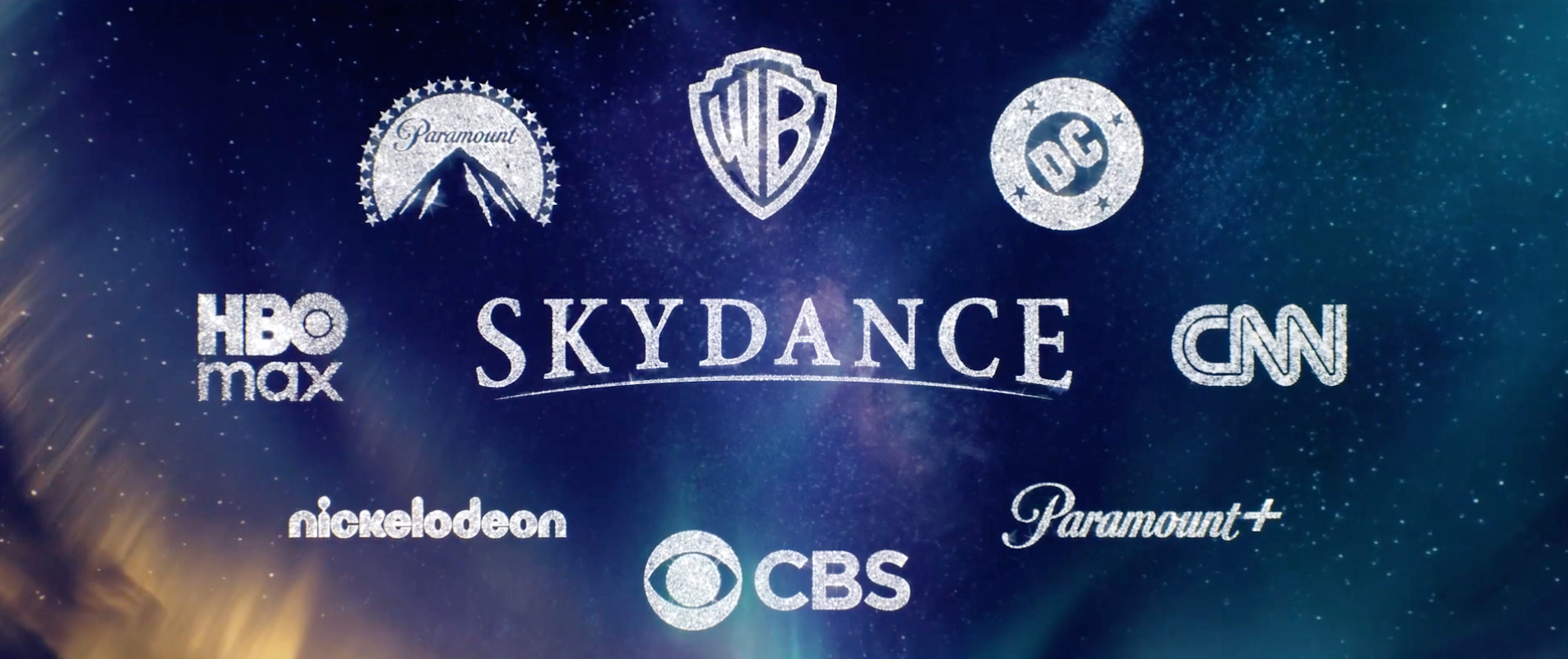
The media landscape has been irrevocably altered as the $110 billion merger between Paramount and Warner Bros. Discovery officially closed on Tuesday. The Supreme Court, via Justice Elena Kagan, denied a last-minute attempt to block the deal, paving the way for the creation of a new, formidable entity known as Skydance. This monumental transaction, which unites the streaming services of Paramount+ and HBO Max under one roof, marks the culmination of a near year-long, often contentious, battle for control of one of Hollywood's most storied empires.
This analysis breaks down the critical details of the finalized merger, examines the immense scale of the newly formed company, explores the immediate implications for the streaming wars and content creation, and looks ahead to the complex integration process and potential future ramifications.
📑 Table of Contents
1. Deal Closes Amidst Legal Battles
The final gavel fell Tuesday when Supreme Court Justice Elena Kagan rejected an eleventh-hour plea to halt the acquisition. This judicial endorsement effectively ends a protracted period of uncertainty that has gripped the industry for months. The deal, initially championed by Paramount's leadership and its majority owner, Shari Redstone, faced significant opposition from various stakeholders, including dissenting shareholders and rival bidders who argued the terms were unfavorable or that the process was flawed.
The journey to this point was far from smooth. Skydance, led by David Ellison, emerged as the winning bidder after a lengthy and intense negotiation process, outmaneuvering formidable rivals like Netflix. Paramount's board ultimately favored Skydance's offer, which involved a complex structure aimed at consolidating debt and providing a pathway for Redstone to exit her controlling stake. The legal challenges, however, continued to cast a shadow, threatening to derail the transaction until Justice Kagan's decisive action.
The Supreme Court's Role
Justice Kagan's denial of the stay request was swift, citing a lack of sufficient grounds to intervene at this late stage. This decision underscores the high bar required to overturn complex corporate transactions already in progress, especially after regulatory approvals and board acceptances have been secured.
2. The Scale of the New Entity
The merged company, operating under the Skydance banner, represents a media titan with an estimated valuation of $110 billion. This consolidation brings together a vast library of intellectual property, including iconic franchises and critically acclaimed content from both Paramount and Warner Bros. Discovery. The combined streaming services, Paramount+ and HBO Max, now form a significant force in the direct-to-consumer market, boasting a subscriber base that rivals industry leaders.
This new behemoth controls a powerful portfolio of production studios, film and television libraries, and global distribution networks. The synergy created by uniting these assets is expected to unlock substantial cost savings through operational efficiencies and broader content bundling opportunities. The sheer breadth of content, from blockbuster films to prestige television and beloved animation, positions Skydance as a major player capable of competing across multiple entertainment verticals.
Content Powerhouse
With the combined might of Warner Bros.' storied film and TV archives and Paramount's extensive catalog, the new Skydance entity is poised to become a dominant content creation and distribution powerhouse. The integration of HBO Max and Paramount+ promises a more comprehensive offering for consumers.
3. Why This Merger Matters Now
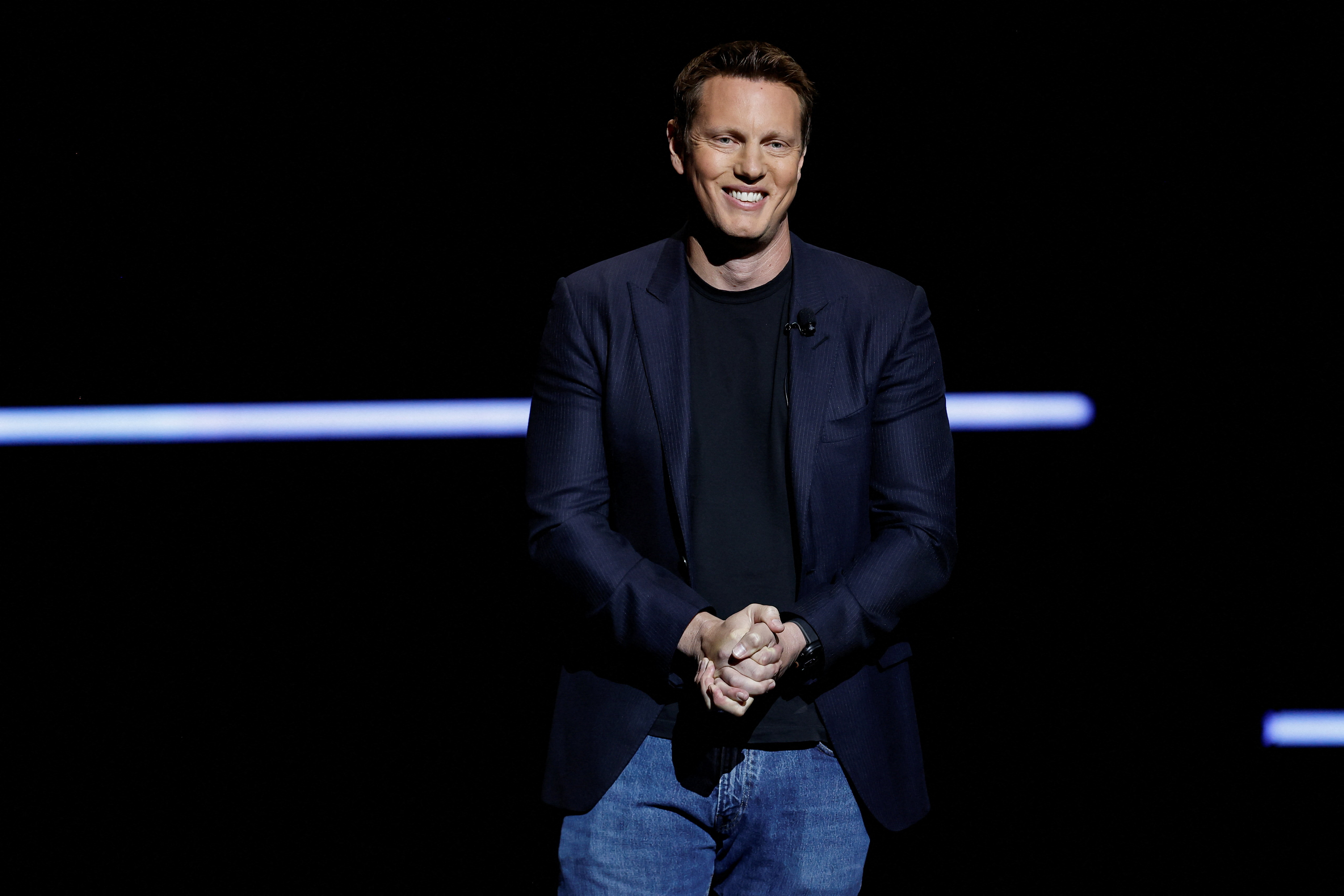
In an era defined by intense streaming competition and evolving consumer habits, this merger is a strategic imperative for survival and growth. The media industry has been grappling with the challenges of profitability in the streaming age, marked by escalating content costs and subscriber acquisition wars. By combining forces, Paramount Skydance and Warner Bros. Discovery aim to achieve economies of scale, reduce redundant expenses, and leverage their combined content libraries to attract and retain subscribers more effectively.
The deal signifies a critical pivot away from a purely direct-to-consumer focus towards a more diversified media conglomerate model. The combined entity can now pursue a multi-pronged strategy, including optimizing streaming offerings, capitalizing on theatrical releases, and exploring new avenues for content monetization across various platforms. This consolidation is a direct response to the economic pressures and competitive dynamics that have reshaped the entertainment sector, signaling a potential new era of consolidation among major media players.
Streaming Wars Intensify
The unification of HBO Max and Paramount+ creates a formidable streaming competitor, forcing other platforms to re-evaluate their strategies and content investments. This move could lead to further consolidation or strategic alliances across the industry.
4. Stakeholder Reactions and Regulatory Hurdles
The completion of the merger has elicited a range of reactions. While supporters herald it as a necessary step to create a more competitive and financially stable entity, critics continue to voice concerns about market concentration and the potential impact on creative talent and consumer choice. Shari Redstone's exit from a controlling position in Paramount Global is a significant personal and financial development, marking the end of an era for the National Amusements dynasty.
David Ellison, at the helm of the newly formed Skydance, faces the immediate challenge of integrating two complex organizations with distinct corporate cultures and operational structures. While the Supreme Court's decision removed a major legal impediment, the specter of potential antitrust scrutiny from regulatory bodies, particularly in future international markets, remains a background concern. The Federal Trade Commission (FTC) and other global regulators will undoubtedly monitor the combined entity's market power closely, especially concerning content acquisition and distribution.
Shareholder Concerns Addressed?
While the deal has closed, the long-term satisfaction of all stakeholders, especially minority shareholders who voiced opposition, will depend on the success of the integration and the future financial performance of the combined company.
5. What Happens Next: The Integration Challenge
The immediate focus for the newly formed Skydance will be on the intricate process of merging operations, consolidating technology platforms, and unifying corporate cultures. This will involve significant organizational restructuring, potential layoffs, and the delicate task of harmonizing disparate business strategies and creative approaches. Executives will need to define the overarching vision for the combined entity and clearly articulate how the integration will deliver on its promised synergies and efficiencies.
Looking further ahead, the success of this mega-merger will be measured by its ability to innovate, adapt to rapidly changing market conditions, and consistently deliver compelling content to a global audience. The industry will be watching closely to see if this ambitious consolidation can truly create a more resilient and dominant force in entertainment, or if the complexities of integration and ongoing market disruption will present insurmountable challenges. The performance of its streaming services, the success of its film and television productions, and its ability to maintain a competitive edge will be key indicators.
Future of Content and Distribution
The strategic decisions made regarding content development, intellectual property management, and distribution channels in the coming months will shape the future trajectory of this media giant and set precedents for other players in the industry.
🔥 Follow Azeem USA for ongoing analysis and updates on this developing story.
Conclusion
The $110 billion merger between Paramount and Warner Bros. Discovery has officially closed, creating a media colossus under the Skydance banner after a critical Supreme Court decision denied a last-minute halt. This landmark deal unites major streaming platforms and vast content libraries, fundamentally reshaping the competitive landscape of the entertainment industry.
The coming months will be crucial for the integration process, testing the leadership's ability to harness synergies and navigate the complexities of a newly formed media giant. All eyes will be on Skydance as it seeks to establish its dominance and redefine the future of content creation and distribution in a rapidly evolving global market.
❓ FAQ
What is the value of the Paramount-Skydance-WBD merger?
The merger is valued at $110 billion.
Which streaming services are being combined?
Paramount+ and HBO Max are being brought under one umbrella.
Who is leading the new company?
The new entity operates under the Skydance banner, led by David Ellison.
Was the merger legally challenged?
Yes, there was a last-minute effort to halt the deal, which was denied by Supreme Court Justice Elena Kagan.
What are the key challenges ahead for the merged company?
The primary challenges involve integrating operations, technology, and corporate cultures, while also navigating market competition and potential regulatory oversight.
Comments
Post a Comment