Breaking: Jeffries Claims Democrats Near House Majority Ahead of November 🚨 Breaking News Analysis 📸 Image Credit: cbsnews.com By Azeem-USA · Sun Oct 11 2026 English (en-US) House Minority Leader Hakeem Jeffries declared this week that Democrats stand on the cusp of retaking the House of Representatives in the upcoming November elections. His pronouncements come as he actively engages in campaigning within critical battleground districts, aiming to unseat incumbent Republicans. This analysis will dissect Jeffries' assertion, examining the specific districts he's targeted, the broader political landscape, and the potential implications of this heightened Democratic confidence. 📑 Table of Contents Jeffries Signals Shifting Tides The Battlegrounds: New Jersey and Pennsylvania Focus Underlying Currents: What's Driving the Optimism? Implications for the Midterms and Beyond What Happens Next: The Road to November FAQ #Azeem_USA #Break...

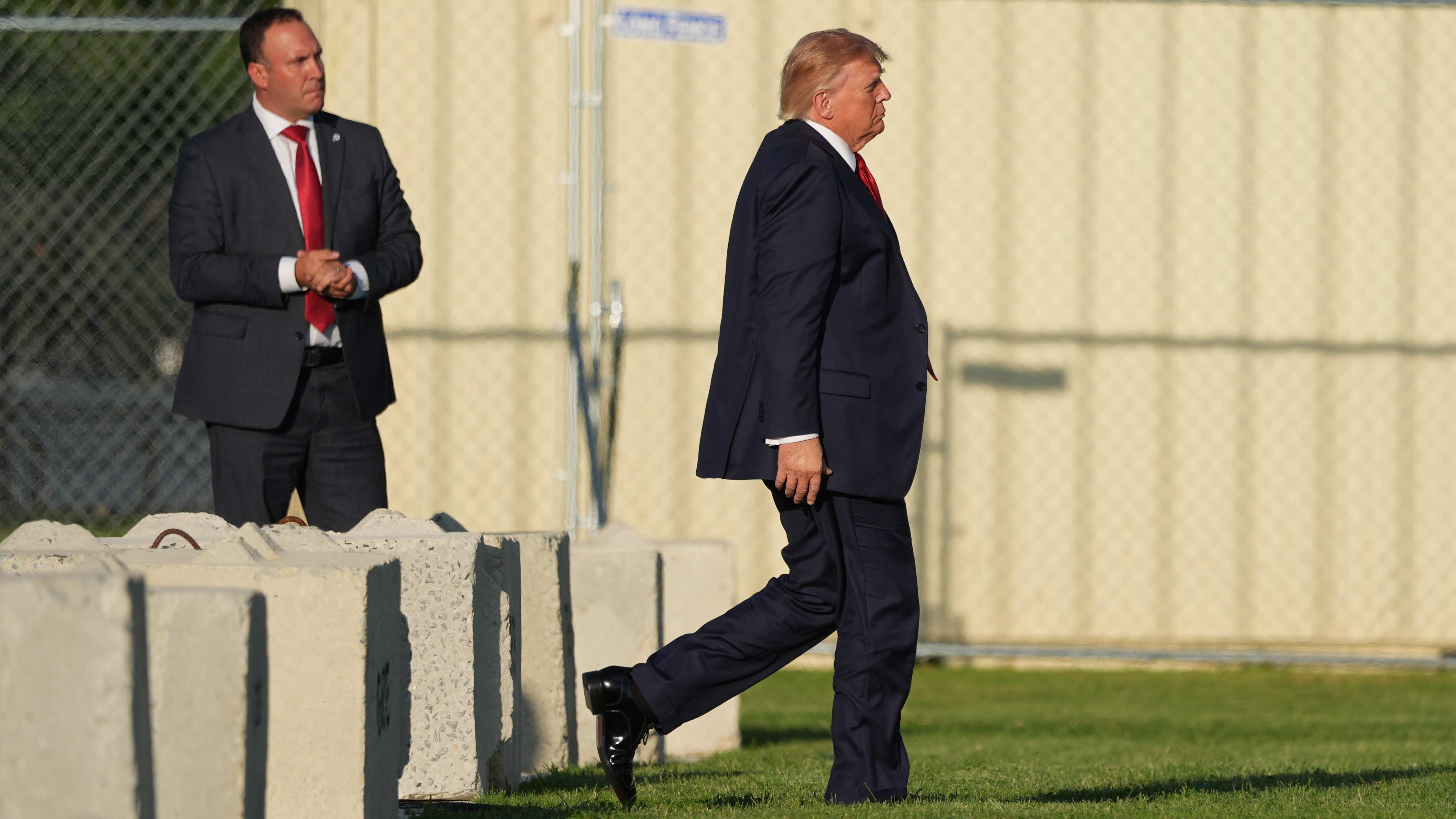
In a move that sent shockwaves through the media landscape, two prominent news organizations, CNN and MS NOW, found their journalists denied access to White House grounds. This unprecedented action, seemingly a direct response to coverage deemed unfavorable by the President, raises critical questions about the state of press freedom and the vital role of an unfettered media in a democracy.
At Azeem USA, we believe in the power of informed discourse and the essential function of journalism. This blog post delves into the specifics of this alarming development, exploring its historical context, constitutional implications, and the far-reaching consequences for public access to information and the future of journalistic integrity.
📑 Table of Contents
1. The Incident: Barred from the Briefing Room
On a recent Saturday morning, reporters from CNN and MS NOW were informed they would not be granted access to the White House, a fundamental step for many news-gathering operations. This ban, reportedly initiated following President Donald Trump's declaration that he would block these organizations, along with Politico, due to their reporting which he characterized as "fake news," marked a significant escalation in executive-media relations. The decision meant that journalists from these outlets were unable to perform their duties on White House grounds, a space typically open to accredited members of the press.
The immediate aftermath saw the affected networks reporting live from outside the White House, highlighting the very restriction they were subjected to. This act of reporting on their own exclusion underscored the critical nature of their work and the challenges faced when access is curtailed. The President’s stated rationale—disagreement with coverage—is a contentious one, often seen as an attempt to control the narrative rather than engage with critical reporting.
The Immediate Repercussions
The practical impact of being denied access is substantial. It limits a journalist's ability to witness events firsthand, conduct on-the-spot interviews, and observe the daily workings of the executive branch. This exclusion can create blind spots in reporting and potentially allow information to be disseminated without the rigorous scrutiny that independent news organizations provide.
2. Historical Context: A Pattern of Media Friction
The relationship between the presidency and the press in the United States has always been dynamic, often characterized by tension and debate. However, the systematic targeting and exclusion of specific news organizations based on their reporting represents a notable departure from established norms. While past administrations have had contentious relationships with the media, outright bans on access for major outlets are less common and more alarming.
President Trump, throughout his term, frequently engaged in rhetoric critical of news organizations he deemed unfair or inaccurate. Terms like "fake news" became a hallmark of his communication style, often directed at outlets whose reporting challenged his administration's narratives. This incident is not an isolated event but rather an extension of a broader pattern of challenging and attempting to delegitimize critical reporting, which is a cornerstone of a free press.
Escalation of Executive-Media Conflict
The decision to ban journalists from White House grounds signifies an escalation in this ongoing conflict. It moves beyond rhetorical battles and directly impacts the operational capacity of news organizations. This action tests the boundaries of journalistic access and the government's role in facilitating or restricting it.
3. The First Amendment Under Fire

At the heart of this controversy lies the First Amendment to the U.S. Constitution, which guarantees freedom of speech and freedom of the press. While the First Amendment does not grant journalists unfettered access to any government property or official, it serves as a fundamental bulwark against government censorship and the suppression of information.
The power of the government to restrict access to public spaces, especially those central to democratic functions like the White House, is a sensitive matter. When such restrictions are perceived as punitive measures against specific media outlets for their reporting, they raise serious questions about whether the government is overstepping its bounds and infringing upon the spirit, if not the letter, of the First Amendment. The courts have historically played a role in adjudicating disputes over press access, and such cases often hinge on whether the government's actions are content-based or serve a legitimate, non-discriminatory purpose.
Defining the Limits of Press Freedom
The core debate here is about where the line is drawn between the government's right to manage its premises and the public's right to be informed by a free and independent press. Denying access based on the content of reporting is a slippery slope that could lead to further restrictions and a less informed citizenry.
4. Impact on Journalism and Public Discourse
The implications of restricting White House press access extend far beyond the journalists directly affected. It impacts the public's right to know and the quality of information disseminated to the citizenry. When journalists are barred from witnessing events or questioning officials directly, the public discourse can become less robust and more susceptible to manipulation.
Independent journalism serves as a critical watchdog, holding those in power accountable. By limiting the eyes and ears of the press, the government can inadvertently (or intentionally) create an environment where scrutiny is diminished. This can lead to a less informed electorate, which is detrimental to the health of a democratic society. Furthermore, such actions can set a precedent, emboldening other governmental bodies to restrict media access, thereby eroding transparency across the board.
The Role of the Fourth Estate
The press is often referred to as the "Fourth Estate"—a crucial check on the power of the other three branches of government. When this pillar is weakened or its access is systematically denied, the entire system of checks and balances is compromised. The ability of news organizations to gather information freely is not just about their business; it's about ensuring the public has access to accurate, diverse, and timely information.
5. Looking Ahead: Preserving an Open Press
The recent events serve as a stark reminder of the ongoing need to protect and champion press freedom. As an organization committed to insightful analysis, Azeem USA believes that open access for journalists is not a privilege to be granted or revoked based on editorial content, but a necessity for a functioning democracy. The challenges posed by such access restrictions require vigilance from journalists, media organizations, and the public alike.
Moving forward, it is imperative that legal and ethical standards surrounding press access are upheld. This includes robust defense of the First Amendment and a commitment to transparency from all branches of government. The public must remain engaged and demand accountability, understanding that a free and accessible press is fundamental to their ability to make informed decisions and participate effectively in civic life.
The Path to Continued Transparency
The future of journalistic access to the White House and other centers of power depends on a continued commitment to the principles of openness and accountability. It requires ongoing dialogue, legal challenges when necessary, and a public that values the role of an independent press in a democratic society.
🔥 Stay informed on critical issues impacting press freedom and democracy by following Azeem USA.
Conclusion
The denial of White House access to CNN and MS NOW journalists is a significant development that underscores the delicate balance between executive power and press freedom. It highlights a worrying trend of restricting access based on editorial content, which has profound implications for public discourse and the Fourth Estate.
At Azeem USA, we maintain that a robust democracy thrives on transparency and an informed citizenry. Upholding the principles of the First Amendment and ensuring open access for journalists are not merely abstract ideals but practical necessities for holding power accountable. As these events unfold, continued vigilance and a commitment to journalistic integrity will be crucial in navigating the challenges ahead and safeguarding the vital role of a free press.
❓ FAQ
What happened to CNN and MS NOW journalists at the White House?
Reporters from CNN and MS NOW were denied access to White House grounds, reportedly as a consequence of coverage the President deemed unfavorable.
Why is press access to the White House important?
Access is crucial for journalists to report on government activities, hold officials accountable, and provide the public with timely and accurate information.
Does the First Amendment guarantee press access to the White House?
The First Amendment protects freedom of the press from government censorship, but it does not explicitly guarantee access to specific government locations. However, restricting access based on content raises constitutional concerns.
Has this happened before?
While presidential administrations have often had tense relationships with the press, outright banning major news organizations from White House grounds based on their reporting is considered a significant escalation.
What are the potential long-term consequences of restricting press access?
Restricting press access can lead to a less informed public, reduced government accountability, and a chilling effect on journalism, potentially weakening democratic institutions.
Comments
Post a Comment