Breaking: Six Flags Grounds 9 Coasters After Fatal Georgia Ride Incident 🚨 Breaking News Analysis 📸 Image Credit: cnn.com By Azeem-USA · Tue Oct 13 2026 English (en-US) Six Flags has temporarily closed nine roller coasters across its U.S. parks following a fatal incident Monday on the Goliath ride at Six Flags Over Georgia, where a man reportedly fell to his death. This swift, broad action signals immediate safety concerns and potential systemic issues within the amusement park giant's operations. This analysis breaks down the incident, its immediate repercussions, the broader implications for the amusement industry, and what scrutiny Six Flags and regulators can expect moving forward. 📑 Table of Contents Urgent Coaster Shutdown After Fatal Fall What We Know So Far Why This Nationwide Closure Matters Stakeholder Reactions and Industry Impact The Path Forward: Safety and Scrutiny FAQ #Azeem_USA #Breakingnews #Azeem_USA #Breakingnews 1....

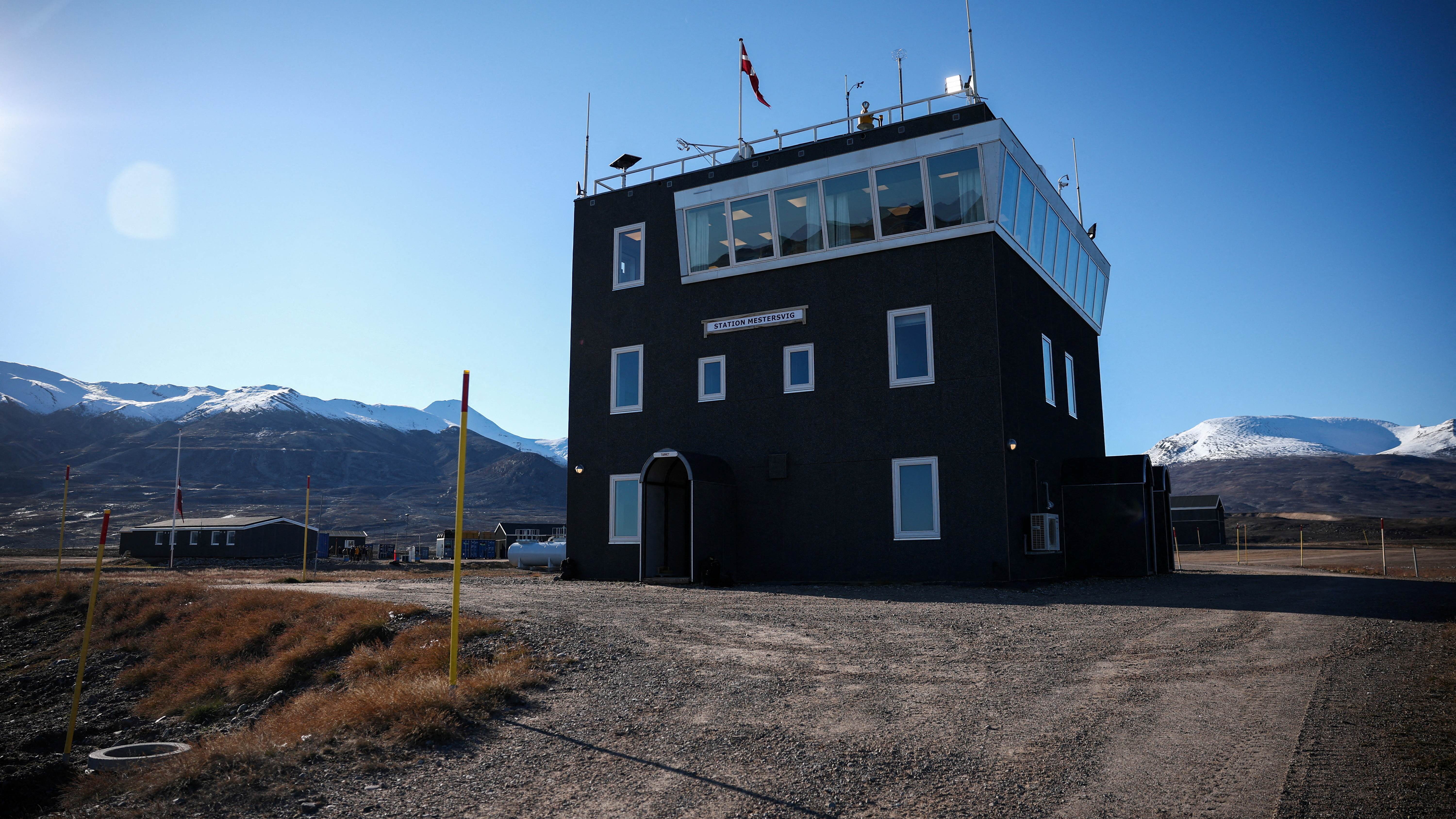
The geopolitical landscape of the Arctic is shifting rapidly as the United States moves to solidify its influence in the north. Recent reports indicate that the US government plans to re-establish a military presence in Greenland by opening two new bases. This move is not merely a historical throwback but a calculated response to the changing security dynamics of the modern era.
In this in-depth analysis, we explore the implications of these new bases, the historical context of the sites, and what this expansion means for international relations and Arctic sovereignty.
📑 Table of Contents
1. The Resurgence of US Presence in the Arctic
For decades, the Arctic was considered a frozen periphery, largely removed from global conflict. However, as ice melts and new shipping routes open, the region has become a focal point for strategic competition. The US decision to expand its military footprint in Greenland signals a serious commitment to maintaining dominance and stability in an increasingly contested environment.
The plan involves a deal with both Denmark and Greenland, reflecting a diplomatic approach to expansion that respects local governance. By establishing a permanent presence, the US aims to ensure it has the infrastructure necessary to respond to emerging threats and monitor North Atlantic traffic.
A Shift in Arctic Defense Strategy
The shift from a passive presence to an active military buildup reflects the reality that the Arctic is no longer a buffer zone but a critical theater for global security interests.
2. Narsarsuaq: Rebirth of Bluie West One
Narsarsuaq was once home to Bluie West One, a vital military base during the Cold War that served as a crucial refueling stop for American aircraft crossing the Atlantic. Since the US closed the base in the 1950s, the local population has dwindled to a few dozen people, leaving the infrastructure to slowly decay.
Re-establishing a base here would allow the US to leverage existing infrastructure while modernizing its capabilities. The southern location of Narsarsuaq provides a gateway to the ice, making it ideal for logistical support and search rescue operations across the region.
Modernizing Cold War Infrastructure
Revitalizing Narsarsuaq could transform a quiet settlement back into a bustling strategic hub, providing significant economic opportunities for the local community.
3. Mestersvig and the Strategic East Coast

The second site, Mestersvig, is located on the east coast of Greenland. Currently, this outpost is used by the Sirius Dog Sled Patrol, an elite Danish special forces that operates in the harshest conditions. Establishing a US presence here would extend military reach to the rugged eastern edge of the massive island.
The east coast is notoriously difficult to monitor due to ice conditions and weather. By placing a base at Mestersvig, the US can enhance its surveillance of maritime and aerial movements that were previously difficult to track effectively.
Enhanced Surveillance in Remote Terrains
The presence at Mestersvig allows for a comprehensive view of the Greenland Sea's eastern flank, which is crucial for early warning systems.
4. Geopolitical Drivers and Global Rivalry
The primary driver behind this expansion is the growing activity of other global powers in the Arctic. As Russia and China increase their interest in Arctic resources and shipping lanes, the US feels the need to secure its perimeter and protect its interests alongside those of its NATO allies.
The opening of the Northwest Passage and other potential routes makes Greenland even more valuable for global trade. A military presence ensures that the US has a seat at the table when it comes to international maritime law and regional security protocols in the high north.
The Competition for Arctic Resources and Routes
The Arctic is becoming a new frontier for power projection, where control over land and sea translates directly into long-term geopolitical influence.
5. The Future of Arctic Sovereignty
The expansion of US bases also raises questions about the sovereignty of Greenland and its relationship with Denmark. While the deal is being negotiated with both entities, the local population has varying views on how an increased military presence might affect their environment and self-determination goals.
As we look to the future, the balance between international security needs and local autonomy will be a central theme. The US must navigate these complexities carefully to ensure that its presence is seen as a partnership rather than an imposition on the Greenlandic people.
Balancing Security with Local Interests
The success of these bases will depend on transparent cooperation and mutual benefits for all parties involved in the years to come.
🔥 Stay tuned to Azeem USA for more analysis on global security trends and strategic shifts.
Conclusion
The US plan to open two new military bases in Greenland marks a pivotal moment in Arctic strategy. By revitalizing Narsarsuaq and expanding to Mestersvig, the United States is positioning itself to meet the challenges of a rapidly changing environment.
As geopolitical tensions continue to evolve, these bases will likely serve as the cornerstone of North Atlantic security for the decades to come.
❓ FAQ
Why is the US opening bases in Greenland?
To bolster strategic security in the Arctic and respond to increasing global competition in the region.
What is Narsarsuaq?
It is the site of the former Cold War-era military base called Bluie West One.
Who currently uses the Mestersvig outpost?
It is currently a military outpost used by the Danish Sirius Dog Sled Patrol.
Does Denmark agree with this plan?
The report indicates a deal being negotiated and signed with both Denmark and Greenland.
Is the Arctic more important right now?
Yes, because melting ice is opening new shipping routes and providing access to vast natural resources.
Comments
Post a Comment