Kristi Noem Out as Trump Envoy for Shield of the Americas 🚨 Breaking News Analysis 📸 Image Credit: cbsnews.com By Azeem-USA · Fri Oct 16 2026 English (en-US) Kristi Noem, former Homeland Security Secretary and a prominent figure in conservative politics, is no longer serving as the Trump administration's special envoy for the Shield of the Americas initiative. A State Department official confirmed the change late Thursday, stating her envoy status expired last month. This development marks a significant shift in a key diplomatic role focused on Western Hemisphere security. This analysis breaks down the facts, explores the initiative's importance, and examines the potential implications of Noem's departure from this specific post. 📑 Table of Contents Noem's Envoy Status Ends What is the Shield of the Americas? Why the Change Now? Implications for Regional Security Looking Ahead FAQ #Azeem_USA #Breakingnews #Azeem_USA #Breakin...

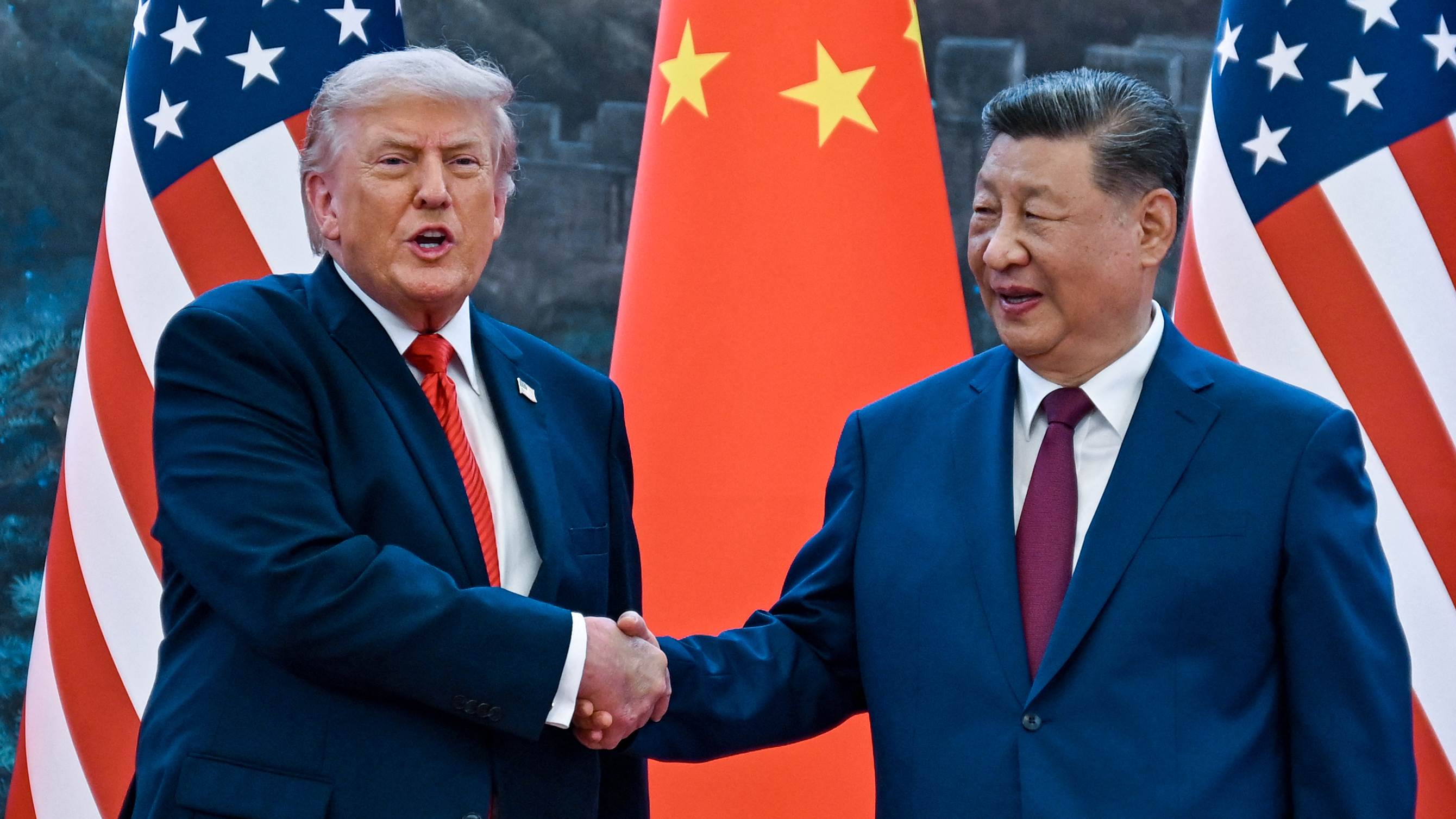
The upcoming summit between President Trump and Chinese President Xi Jinping is a moment that captures global attention. As leaders of the world's two largest economies prepare to sit down, the international community is abuzz with speculation. However, the prevailing sentiment among seasoned observers is one of tempered expectations.
This post will delve into the intricate dynamics of this critical meeting. We will explore why major policy breakthroughs are unlikely, while also identifying the specific areas where incremental progress might be achievable, particularly concerning trade and the burgeoning field of artificial intelligence. Understand the nuances of this high-stakes dialogue and what it could mean for the global economic and technological future.
📑 Table of Contents
1. The High Stakes, Low Expectations Landscape
The geopolitical chessboard is set for a significant encounter as President Trump prepares to meet with Chinese President Xi Jinping. This meeting is not just a bilateral discussion; it represents a crucial juncture for the global economic order. The sheer scale of the US and Chinese economies means that any interaction between their leaders carries immense weight, influencing markets, diplomatic relations, and technological trajectories worldwide. Yet, despite the gravity of the occasion, the consensus is that this summit is unlikely to yield transformative agreements.
Several factors contribute to this cautious outlook. Decades of complex trade imbalances, deep-seated national security concerns, and fundamentally different political and economic systems create an environment where rapid, sweeping changes are improbable. Both leaders face domestic political considerations that often constrain their ability to make significant concessions on the international stage. Therefore, the focus shifts from grand pronouncements to the subtle art of diplomacy, seeking common ground on less contentious issues or reinforcing existing, albeit fragile, understandings.
The Role of Domestic Politics
Understanding the domestic political pressures on both President Trump and President Xi is key to interpreting the potential outcomes of their meeting. For Trump, a desire for tangible achievements to showcase to his base often drives his negotiation style, while Xi Jinping must balance economic imperatives with nationalistic sentiment and internal party stability.
2. Trade: The Lingering Truce and Tariff Tensions
Trade has long been a central point of contention in US-China relations, and this summit is no exception. The current economic climate is characterized by a temporary truce in the escalating tariff war, a development that has provided a much-needed respite for global markets. There is a palpable hope that this pause could be formally extended, offering businesses more predictability and stability. The Trump administration's decision to delay further tariff provocations signals a potential willingness to explore further concessions, perhaps in exchange for specific commitments from Beijing.
However, the underlying issues that fueled the trade dispute remain largely unresolved. Structural imbalances, intellectual property rights, market access, and state subsidies are complex challenges that cannot be easily papered over in a single meeting. While a formal extension of the truce is a plausible, if modest, outcome, expecting significant concessions that fundamentally alter the trade landscape would be overly optimistic. The negotiation process is likely to be protracted, with incremental adjustments rather than revolutionary shifts.
Potential for Limited Concessions
While a comprehensive trade deal is off the table, there might be room for targeted concessions. These could involve specific agricultural purchases or adjustments in certain import/export regulations, aimed at providing Trump with a symbolic win and Xi with a de-escalation of immediate pressure.
3. Artificial Intelligence: A Frontier of Communication, Not Control
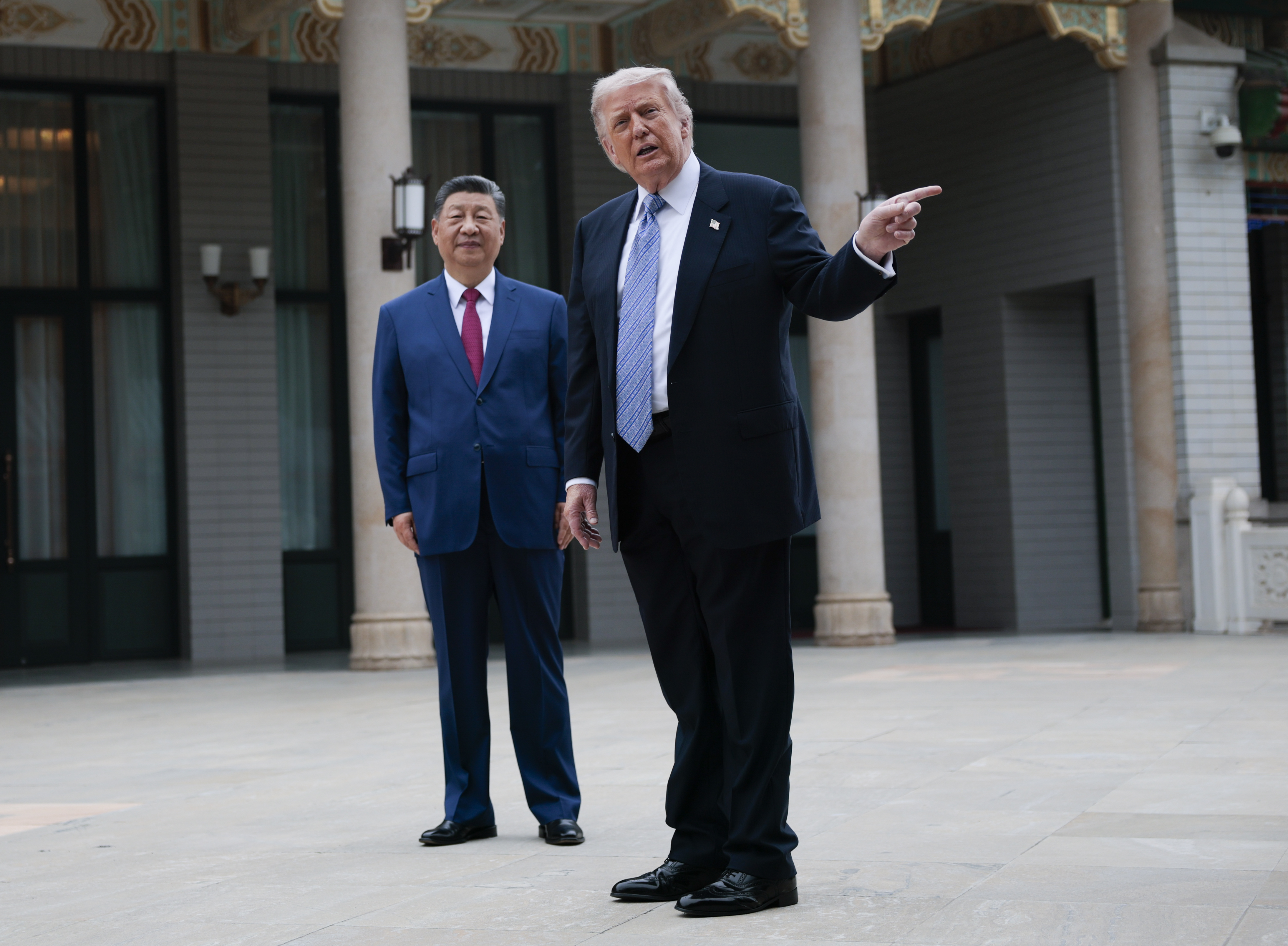
The rapid advancement of artificial intelligence (AI) presents both immense opportunities and significant risks. In the context of US-China relations, AI is becoming an increasingly critical area of discussion. The current trajectory of frontier AI model development is a source of global concern, with discussions around safety, ethics, and potential misuse gaining urgency. However, expectations for any concrete agreement on scaling back the pace of development are exceedingly low.
The inherent nature of AI research and development, coupled with the competitive drive between nations, makes a coordinated slowdown difficult to envision. Instead, the more realistic hope for this summit lies in fostering increased communication and establishing channels for dialogue on AI governance. This could involve sharing perspectives on safety protocols, risk assessment, and the potential implications of advanced AI, laying the groundwork for future, more substantive discussions rather than immediate regulatory action.
Establishing Dialogue Channels
The primary goal regarding AI is likely to be the establishment or strengthening of communication channels. This could pave the way for future collaborations on AI safety research and help prevent misunderstandings that could escalate into conflict.
4. Beyond Trade and AI: Other Potential Discussion Points
While trade and artificial intelligence are dominating the headlines, the agenda for the Trump-Xi summit is likely to be broader, encompassing other critical geopolitical and economic issues. Discussions could touch upon global security challenges, including regional stability in areas like the South China Sea and the Korean Peninsula. While major breakthroughs on these sensitive topics are improbable, the leaders may seek to reinforce existing lines of communication to manage tensions and prevent miscalculations.
Furthermore, macroeconomic coordination and global financial stability might also feature on the agenda. With both nations playing pivotal roles in the global economy, dialogue on issues such as currency stability, sovereign debt, and the functioning of international financial institutions could occur. Treasury Secretary Scott Bessent's involvement suggests a focus on economic and financial matters, potentially exploring avenues for greater cooperation or at least mutual understanding on pressing global economic concerns.
Regional Security and Global Governance
The leaders might also address broader themes of international order and specific regional security concerns, aiming to reduce friction and maintain a degree of predictability in volatile global hotspots.
5. Navigating the Path Forward: Incrementalism Over Revolution
As the dust settles after the Trump-Xi summit, it is crucial to maintain a realistic perspective on its outcomes. The complexities of the relationship between the United States and China, characterized by both intense competition and interdependence, mean that transformative change is a long-term endeavor. Major policy breakthroughs are rarely achieved in single meetings, especially between nations with such divergent interests and systems.
Instead, the value of this summit should be measured in its ability to foster dialogue, manage tensions, and achieve incremental progress. The formal extension of the trade truce, coupled with enhanced communication on AI safety, would represent tangible, albeit modest, successes. These small steps, when accumulated over time, can gradually shape the trajectory of the relationship, fostering a more stable and predictable global environment. The focus should remain on pragmatic engagement rather than expecting revolutionary shifts.
The Importance of Sustained Dialogue
The true success of the summit will likely be determined not by a single agreement, but by the commitment to sustained dialogue and the willingness to engage on complex issues, even in the absence of immediate resolutions.
🔥 Stay informed on the latest geopolitical and economic developments impacting the US and China.
Conclusion
The upcoming meeting between President Trump and President Xi Jinping is a significant event, but one that should be viewed through the lens of realistic expectations. While the global stage is set for high-level discussions, the deep-seated nature of US-China differences suggests that major policy breakthroughs are unlikely.
However, this does not diminish the importance of the summit. The potential for a formal extension of the trade truce and increased communication on AI represents valuable incremental progress. These small wins, coupled with open dialogue on other critical issues, can help manage tensions and pave the way for a more stable, albeit competitive, future relationship between the two global powers. The focus remains on sustained engagement and pragmatic steps forward.
❓ FAQ
What is the main expectation for the Trump-Xi meeting?
The main expectation is for incremental progress and de-escalation of tensions, rather than major policy breakthroughs.
Will the US-China trade war end after this meeting?
It is highly unlikely that the trade war will end, but the current truce may be formally extended, providing temporary stability.
What is the outlook for AI discussions between the US and China?
Expectations are low for agreements on slowing AI development. The focus is more likely to be on increasing communication and dialogue regarding AI safety and governance.
Are there other topics besides trade and AI that might be discussed?
Yes, potential topics include regional security, global economic stability, and macroeconomic coordination.
What is the overall sentiment regarding the summit's potential outcomes?
The overall sentiment is cautious optimism for small wins and continued dialogue, rather than transformative agreements.
Comments
Post a Comment