Judge Orders White House Press Access Restored: A Press Freedom Win 📸 Image Credit: yahoo.com By Azeem-USA · Thu Sep 24 2026 English (en-US) In a significant development for American press freedom, a federal judge has issued a temporary restraining order compelling the White House to reinstate press credentials for CNN, MS NOW, and Politico. This ruling comes after President Donald Trump's administration revoked access for these outlets following critical coverage, sparking a heated debate about the role of a free press in a democracy. This decision is more than just a procedural victory; it underscores the vital importance of unimpeded access for journalists to report on the workings of the government. At Azeem USA, we believe in the power of informed citizens, and this ruling is a crucial step in ensuring that the public receives diverse and unfiltered information from the nation's capital. 📑 Table of Contents The Initial Ban and Legal...

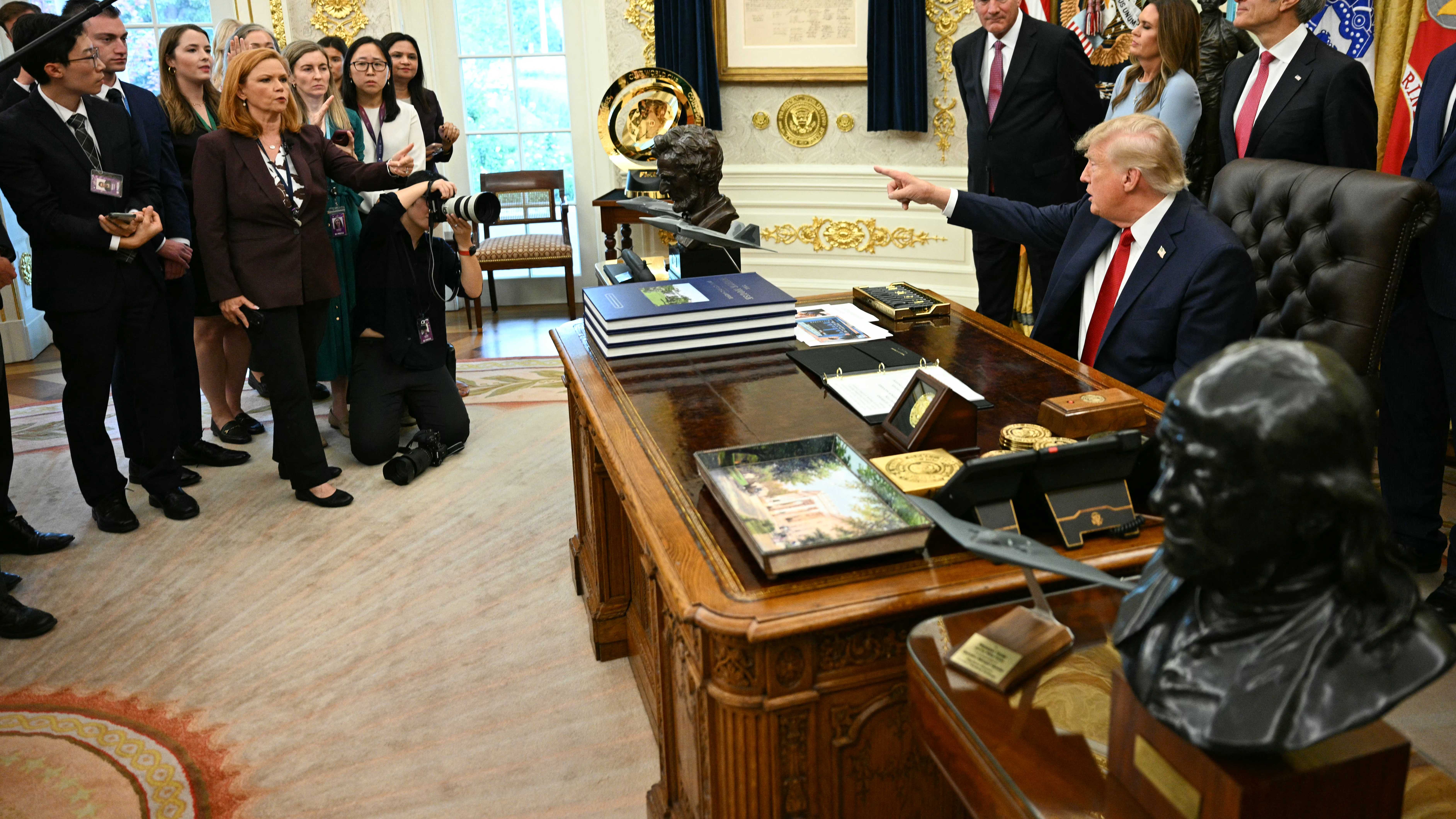
The tension between the executive branch and the free press has reached a volatile boiling point. Following President Donald Trump's controversial decision to exclude specific news outlets from the White House complex, a high-stakes legal battle has emerged that tests the very heart of constitutional protections for the media.
In this deep dive, we analyze the recent court proceedings, the specific legal concerns raised by U.S. District Judge, and what this case means for the future of journalism in the United States.
📑 Table of Contents
1. The Escalation of the White House Access Conflict
The conflict began when the Trump administration took the drastic step of banning a trio of news organizations—CNN, Politico, and MS NOW—from the White House grounds. This move included revoking their hard press badges, which are essential tools for journalists covering the daily operations of the federal government.
This decision sent shockwaves through the media landscape. While the administration framed the move as a matter of security or conduct, the affected outlets viewed it as a direct assault on the fundamental right of the press to hold the government accountable.
The Scope of the Exclusion
The exclusion was not limited to a single event but affected the broader rotating pool cove access. By denying these specific entities entry, the administration effectively altered the landscape of who is allowed to witness executive actions in person.
2. Judge Timothy Kelly's Critical Observations
During a pivotal afternoon hearing, U.S. District Judge Timothy Kelly, an appointee by President Trump, did not mince words when evaluating the administration's actions. He explicitly stated that due process 'wasn't followed here,'' setting a serious tone for the judicial scrutiny the administration now faces.
Kelly's comments are particularly significant because they come from a judge appointed by the president himself. This suggests that even within the administration's own judicial framework, there are concerns regarding the procedural fairness used to revoke press credentials.
Judicial Skepticism
The judge's focus on the lack of due process indicates that the administration may have failed to provide a clear justification or an opportunity for the outlets to defend themselves before their access was revoked.
3. First Amendment Arguments and Media Freedom

CNN, Politico, and MS NOW filed their lawsuit based on First Amendment grounds. Their core argument is that the White House is a public forum of sorts, and the government cannot selectively exclude journalists based on the content of their reporting or perceived hostility toward the administration.
The legal team for these outlets argues that the press serves as a watchdog for the public. If the government can pick and choose which journalists are allowed on the grounds, the transparency of the entire U.S. government is severely compromised.
The 'Watchdog' Doctrine
The case hinges on whether the White House has an absolute right to manage its property or if the First Amendment imposes a limit to ensure the media can perform its constitutional role.
4. The Significance of Due Process in Governance
Due process is a fundamental legal requirement that the government must respect all legal rights owed to a person. In this context, it means the administration cannot simply strip away a journalist's professional access without a fair procedure, clear rules, and a chance for appeal.
Without proper due process, executive power becomes unchecked, potentially silencing any voice that the administration finds inconvenient. Judge Kelly's emphasis on this point highlights that the 'method' of banning is just as legally important as the 'reason' itself.
Procedural Integrity
The hearing revealed that the administration's swift action to revoke badges may have bypassed standard protocols that protect civil and professional rights, creating a vulnerability in the court of law.
5. Future Implications for Executive-Press Relations
The outcome of this case will likely set a precedent that extends far beyond these three news outlets. If the court rules in favor of the media, it will limit the ability of future administrations to restrict access to journalists they deem unfavorable or critical.
Conversely, if the administration successfully defends itself, it could signal a new era of how the White House manages its relationship with the press, potentially leading to a more restrictive environment for those who cover the highest levels of power.
A Lasting Precedent
As the case unfolds, the legal community is watching to see if the courts will balance executive security interests against the constitutional necessity of a free and open press.
🔥 Stay tuned to Azeem USA for the latest updates on this landmark First Amendment legal battle.
Conclusion
The legal battle between the Trump administration and major media outlets is a defining moment for the First Amendment. Judge Kelly's concerns regarding due process suggest that the administration's actions may face significant hurdles in court.
As the case moves forward, the focus will remain on the boundaries of executive power and the essential role of journalists in American democracy.
❓ FAQ
Which outlets were banned from the White House?
The three outlets mentioned are CNN, Politico, and MS NOW.
What is the primary legal argument for the lawsuit?
The outlets sued on First Amendment grounds, arguing their right to report was violated.
What did Judge Timothy Kelly say about the ban?
He stated that due process was not followed in the administration's decision.
Does the ban affect press badges?
Yes, the administration revoked the hard press badges required for access to the White House grounds.
Why is due process important in this case?
It ensures that the government follows fair procedures before taking away professional rights or access privileges.
Comments
Post a Comment