Trump Denies Iran Sanctions Relief: Unpacking the Latest Diplomatic Standoff 📸 Image Credit: uk.news.yahoo.com By Azeem-USA · Tue Sep 29 2026 English (en-US) In the ever-evolving landscape of international relations, a recent development has captured significant attention: reports suggesting President Donald Trump offered Iran sanctions relief in exchange for progress on its nuclear program. However, these claims were met with a swift and emphatic denial from the President himself. This situation highlights the intricate dance of diplomacy, the power of sanctions as a geopolitical tool, and the persistent complexities surrounding Iran's nuclear ambitions. At Azeem USA, we delve into the core of this news, dissecting the statements, exploring the context of indirect negotiations, and examining the broader implications for US-Iran relations. Understanding this dynamic is crucial for anyone seeking to grasp the current state of global affairs and ...

🚨 Breaking News Analysis
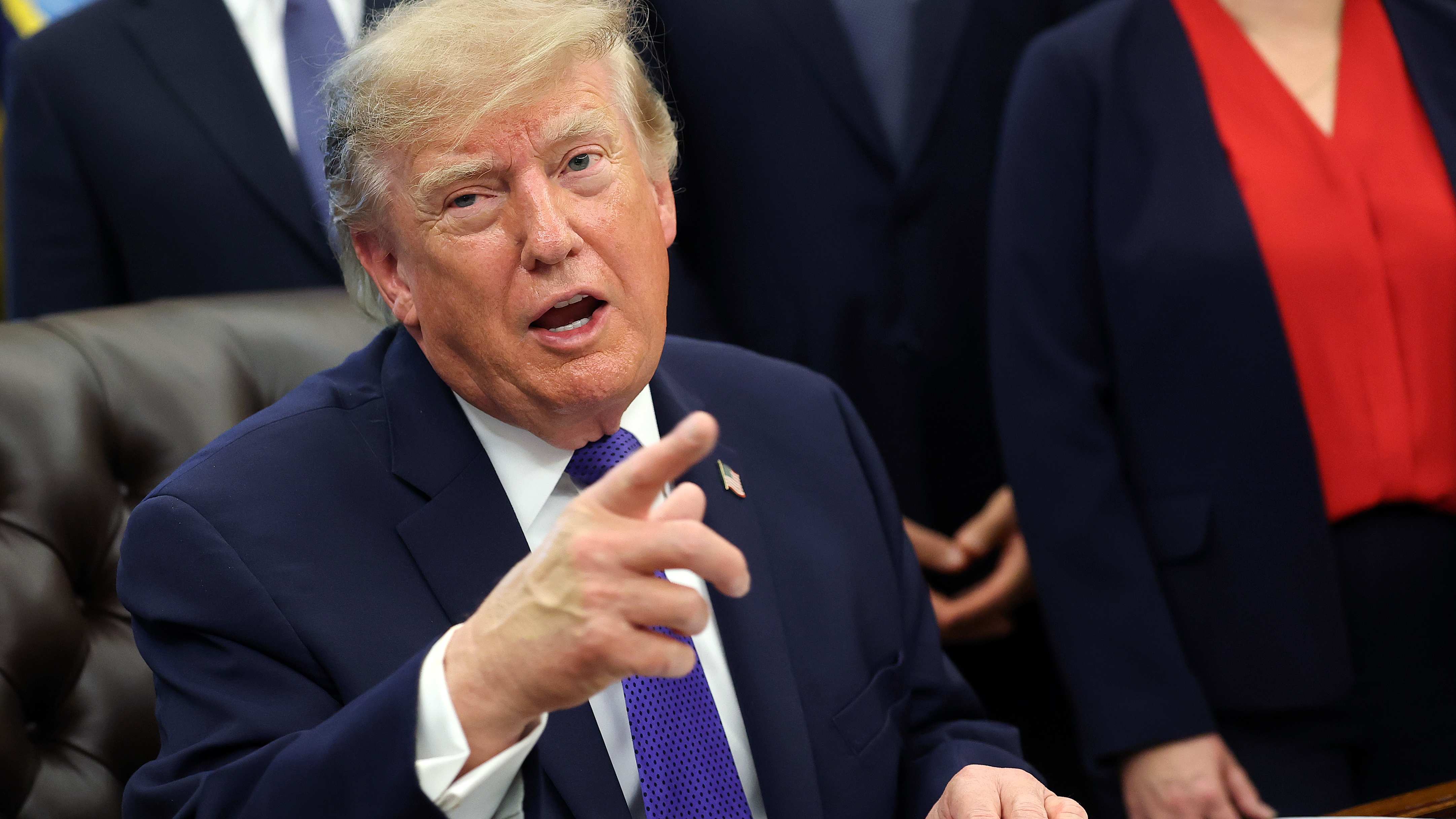
President Donald Trump has forcefully denied reports that his administration offered Iran sanctions relief and access to frozen funds, a claim emerging as indirect negotiations between the U.S. and Iran continue through third-party mediators. This denial, issued Monday, injects immediate uncertainty into delicate diplomatic channels aimed at de-escalating tensions in the Persian Gulf.
This analysis will dissect the President's denial, explore the context of these emergent talks, examine the significance of the conflicting narratives, assess the implications for key stakeholders, and project the likely trajectory of diplomatic efforts concerning Iran.
📑 Table of Contents
1. The Denial: What Trump Said
President Trump directly contradicted a report by Axios, which cited sources claiming an offer of sanctions relief was made to Iran. The President's swift and public refutation aims to control the narrative and signal a firm stance, even as behind-the-scenes diplomacy appears to be underway.
The denial serves to preemptively shut down speculation and potentially reassure domestic hardliners and allies who are skeptical of any concessions to Tehran. It underscores the administration's general policy of maximum pressure against Iran, a cornerstone of its foreign policy since 2018.
Signaling Strategy
This public denial could be a strategic move to reinforce the administration's tough image while allowing for continued, albeit unconfirmed, diplomatic engagement.
2. The Context: Indirect Talks Emerge
The denial comes amid confirmation from the President himself that American and Iranian negotiators are indeed engaged in talks, facilitated by intermediaries. This indirect dialogue is reportedly focused on de-escalating tensions and potentially addressing regional security concerns.
Iranian Foreign Minister Mohammad Javad Zarif has been a key figure, stating on Monday that Iran expected a formal U.S. response on Tuesday regarding Tehran's proposal. This proposal, according to reports, includes a seven-day ceasefire and the phased reopening of the Strait of Hormuz, contingent on the U.S. meeting unspecified conditions laid out in earlier, mid-June communications.
Mediated Diplomacy
The reliance on mediators highlights the deep mistrust and lack of direct diplomatic ties between Washington and Tehran, forcing communication through channels like Oman or Japan.
3. Why This Denial Matters

The conflicting reports – one alleging a significant offer of relief, the other a categorical denial – create confusion and could undermine the credibility of any diplomatic process. If an offer was indeed made and subsequently retracted or denied for political reasons, it could harden positions on both sides.
For Iran, the denial may be interpreted as a sign of internal U.S. division or a lack of serious commitment to negotiation, potentially leading them to double down on their current proposals or explore alternative strategies. Conversely, if no such offer was made, the Axios report itself represents a significant leak that could jeopardize ongoing sensitive discussions.
Credibility and Leverage
The administration's ability to maintain a consistent and credible position is crucial for effective diplomacy, especially in high-stakes situations like U.S.-Iran relations.
4. Stakeholders and Shifting Sands
The implications of these developments extend to various stakeholders. For allies in the Middle East, particularly Israel and Saudi Arabia, the U.S. stance on Iran remains a critical security concern. Any perceived softening by the U.S. could elicit strong reactions, while a continued hard line might be viewed more favorably, albeit with concerns over potential escalation.
Within the U.S., the denial likely plays to President Trump's base, reinforcing his image as a strong negotiator unwilling to cede ground to adversaries. However, it also raises questions about the coherence of U.S. foreign policy and the administration's strategy towards Iran, which has oscillated between maximum pressure and overtures for dialogue.
Regional Dynamics
The broader regional security architecture, already fragile, is highly sensitive to shifts in U.S.-Iran dynamics, making clear communication and consistent policy paramount.
5. What Happens Next on the Hormuz Chessboard
The immediate focus will be on Iran's formal response, expected today, regarding its proposal for a ceasefire and the reopening of the Strait of Hormuz. The nature of this response, and whether it acknowledges or dismisses the U.S. denial, will be critical.
Analysts suggest that regardless of the denial, the fact that indirect talks are occurring signals a potential, albeit narrow, opening for de-escalation. The coming days will reveal whether this channel can be sustained or if the conflicting narratives will push both sides back towards confrontation. The administration's next moves, including any further clarification or denial, will be closely watched.
Key Watchpoints
Monitor Iran's official reaction to the denial and its proposal. Observe any further statements from U.S. officials regarding the nature and status of the talks.
🔥 Follow Azeem USA for continuous updates on this developing story.
Conclusion
President Trump has denied reports of offering Iran sanctions relief amidst ongoing indirect talks. The denial creates immediate uncertainty, while the confirmation of dialogue suggests a complex diplomatic effort is underway.
All eyes are now on Iran's expected response today and the administration's subsequent actions. The ability to navigate these conflicting signals will determine whether a path towards de-escalation can be forged or if tensions will continue to simmer and potentially boil over in the critical Strait of Hormuz region.
❓ FAQ
What did President Trump deny regarding Iran?
President Trump denied reports that he offered Iran sanctions relief and access to frozen funds.
Are the U.S. and Iran currently in talks?
Yes, President Trump confirmed that American and Iranian negotiators are engaged in indirect talks through mediators.
What was Iran's recent proposal?
Iran reportedly proposed a seven-day ceasefire and the phased reopening of the Strait of Hormuz, contingent on U.S. conditions.
Who is mediating the U.S.-Iran talks?
The exact mediators have not been officially confirmed, but countries like Oman often play this role.
What is the significance of the Strait of Hormuz?
The Strait of Hormuz is a vital chokepoint for global oil shipments, making any disruption there highly consequential for the world economy.
Comments
Post a Comment