
In the ever-evolving landscape of international relations, a recent development has captured significant attention: reports suggesting President Donald Trump offered Iran sanctions relief in exchange for progress on its nuclear program. However, these claims were met with a swift and emphatic denial from the President himself. This situation highlights the intricate dance of diplomacy, the power of sanctions as a geopolitical tool, and the persistent complexities surrounding Iran's nuclear ambitions.
At Azeem USA, we delve into the core of this news, dissecting the statements, exploring the context of indirect negotiations, and examining the broader implications for US-Iran relations. Understanding this dynamic is crucial for anyone seeking to grasp the current state of global affairs and the strategies employed in high-stakes international dialogue.
📑 Table of Contents
1. The Initial Reports and Trump's Swift Denial
Recent media outlets, citing anonymous US officials, reported that President Donald Trump was willing to provide Iran with sanctions relief and unfreeze its assets. This potential concession was reportedly tied to Iran demonstrating "concrete progress" concerning its nuclear program. The reports suggested a willingness to engage in a deal that could significantly alter the existing economic pressure on Tehran, a cornerstone of the previous administration's policy.
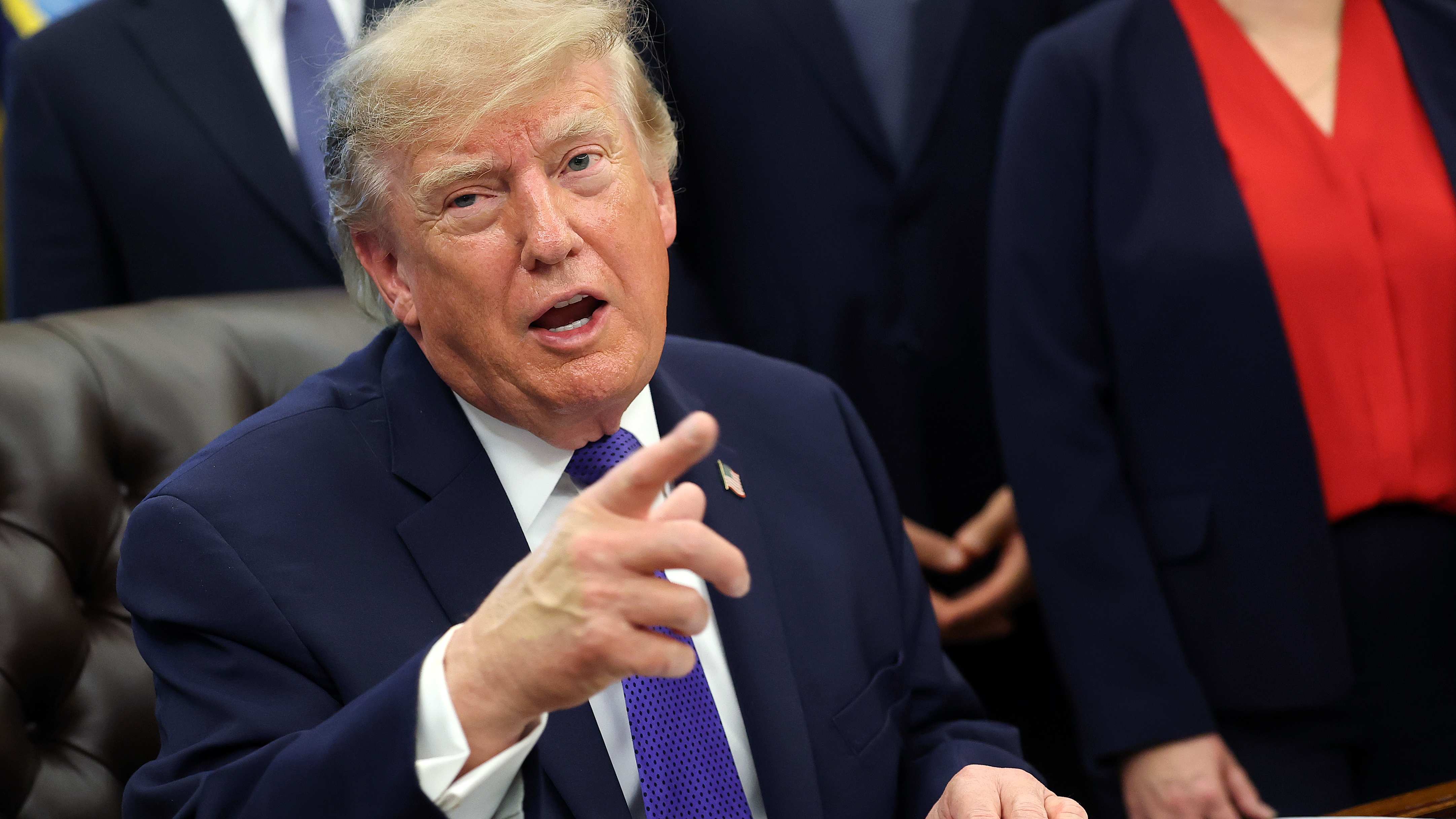
However, President Trump took to his social media platform, Truth Social, to unequivocally reject these assertions. His statement, "This is untrue. I offered them NOTHING," served as a direct rebuttal, aiming to quash any speculation about a shift in his administration's stance. This immediate and forceful denial underscores the administration's general approach of maintaining maximum pressure on Iran and signals a potential internal divergence in communication or a strategic leak designed to test the waters.
The Significance of the Denial
The speed and directness of Trump's denial are notable. It immediately shut down any narrative suggesting a softening of US policy without explicit presidential confirmation. This action reinforces the hardline stance often associated with his foreign policy, particularly concerning Iran.
2. Decoding 'Indirect Talks' with Iran
The reports mentioned "indirect talks," a diplomatic mechanism often employed when direct communication channels are non-existent or politically unfeasible. In such scenarios, intermediaries, often European nations or international organizations, facilitate communication between the parties. Messages and proposals are relayed back and forth, allowing for negotiation without direct face-to-face engagement.
These indirect channels are critical for managing sensitive issues like Iran's nuclear program, where trust is low and direct confrontation is undesirable. The process can be slow and prone to misinterpretation, as evidenced by the recent reporting and denial. The effectiveness of indirect talks hinges on the clarity of the intermediaries and the genuine willingness of both sides to find common ground, even if they are unwilling to acknowledge it publicly.
Challenges in Indirect Negotiation
The reliance on intermediaries can introduce complexities. Information can be filtered or slightly altered as it passes through multiple hands. Furthermore, the lack of direct dialogue can make it harder to build rapport or gauge the true intentions of the other party, increasing the potential for misunderstandings and escalations.
3. The Leverage of Sanctions: A Historical Perspective

Sanctions have long been a primary tool in international diplomacy, particularly against nations pursuing policies deemed destabilizing or threatening. For Iran, the impact of US sanctions has been profound, significantly curtailing its oil exports, access to international finance, and overall economic growth. These measures were largely implemented to pressure Iran into curbing its nuclear activities and its support for regional militant groups.
The effectiveness of sanctions is a subject of ongoing debate. Proponents argue they can compel behavioral change by imposing significant economic costs. Critics contend that they can disproportionately harm civilian populations, entrench hardliners within the targeted regime, and sometimes fail to achieve their intended foreign policy objectives. The Trump administration's "maximum pressure" campaign represented an aggressive application of this strategy, aiming to cripple the Iranian economy.
Sanctions as a Bargaining Chip
When considering negotiations, sanctions often become the central bargaining chip. The prospect of lifting or easing sanctions is a powerful incentive for an economically strained nation. Conversely, the threat of imposing new or more stringent sanctions can be used to extract concessions. The recent reports, even if denied, indicate that the potential for leveraging sanctions relief was at least being discussed or floated in some capacity.
4. Iran's Nuclear Program: A Persistent Concern
Iran's nuclear program has been a focal point of international concern for decades. While Iran maintains that its nuclear activities are solely for peaceful energy purposes, many nations, including the United States and its allies, suspect that Tehran harbors ambitions for nuclear weapons. The Joint Comprehensive Plan of Action (JCPOA), or Iran nuclear deal, was an attempt to curb these ambitions through strict international oversight and limitations on Iran's nuclear activities in exchange for sanctions relief.
The US withdrawal from the JCPOA in 2018 and the subsequent reimposition of extensive sanctions led to Iran gradually increasing its nuclear activities, reportedly exceeding many of the limits set by the original agreement. This has raised alarm bells globally, increasing the risk of regional proliferation and escalating tensions. The international community remains divided on how best to manage this ongoing challenge, with differing views on diplomacy, sanctions, and the potential for military action.
The Need for Verification
Any potential deal or agreement regarding Iran's nuclear program hinges on robust verification mechanisms. International inspectors, such as those from the International Atomic Energy Agency (IAEA), play a crucial role in monitoring Iran's facilities and activities. "Concrete progress" in this context would likely involve verifiable steps to roll back or significantly constrain Iran's nuclear capabilities, ensuring transparency and preventing the diversion of nuclear materials for weapons purposes.
5. Navigating the Future of US-Iran Diplomacy
The recent episode involving reported offers of sanctions relief and the subsequent denial by President Trump underscores the volatility and complexity of US-Iran relations. It highlights the challenges inherent in diplomacy when dealing with a nation perceived as a strategic adversary, especially when core national security interests like nuclear proliferation are at stake.
Moving forward, the path to de-escalation and potential resolution remains uncertain. It will likely require a combination of firm diplomatic engagement, potentially through established or new channels, and a clear understanding of each party's red lines and objectives. The role of international partners will also be crucial in facilitating dialogue and ensuring transparency. The ultimate goal for many remains a stable region, free from the threat of nuclear proliferation and underpinned by more predictable international relations.
Key Takeaways for Stakeholders
For policymakers, businesses, and observers, the situation demands careful analysis. The administration's denial suggests a continued commitment to pressure, but the existence of the reports themselves indicates that avenues for negotiation, however indirect, are being explored or considered by various actors within the US foreign policy apparatus.
🔥 Stay informed on critical geopolitical developments impacting global markets and international relations.
Conclusion
The recent denial by President Trump regarding any offer of Iran sanctions relief signifies the ongoing tension and complexity in US-Iran diplomatic efforts. While reports suggested a potential opening for negotiation tied to Iran's nuclear program, the President's firm rejection emphasizes a continued adherence to a policy of pressure.
Understanding the nuances of indirect talks, the historical role of sanctions, and the persistent concerns surrounding Iran's nuclear ambitions is vital. As the geopolitical landscape continues to shift, navigating these intricate relationships will require careful observation and a clear-eyed assessment of the strategies employed by all parties involved. The future of US-Iran relations remains a critical factor in regional and global stability.
❓ FAQ
What did the reports claim President Trump offered Iran?
Reports cited US officials claiming President Trump was willing to offer Iran sanctions relief and unfreeze its assets in exchange for concrete progress on its nuclear program.
Did President Trump confirm these reports?
No, President Trump vehemently denied the reports on Truth Social, stating, "This is untrue. I offered them NOTHING."
What are 'indirect talks' in diplomacy?
Indirect talks involve a third party (an intermediary) facilitating communication between two parties who are not directly engaging with each other, often due to a lack of diplomatic relations or trust.
Why are Iran's nuclear activities a global concern?
There is concern that Iran's nuclear program could be used to develop nuclear weapons, posing a significant threat to regional and global security.
What is the role of sanctions in US-Iran relations?
Sanctions are a primary tool used by the US to pressure Iran to curb its nuclear program and other activities deemed destabilizing. Lifting or easing sanctions is often a key bargaining chip in negotiations.
Comments
Post a Comment