Trump Redirects Nearly $1 Billion in Congressional Funds 🚨 Breaking News Analysis 📸 Image Credit: yahoo.com By Azeem-USA · Fri Sep 25 2026 English (en-US) President Donald Trump has wielded an unusual executive power to cancel nearly $1 billion in spending previously approved by Congress. The White House announced the move Friday, framing it as a necessary step to eliminate what it deems harmful government expenditures. This analysis will break down the specifics of the funding cuts, explore the controversial authority used, examine the administration's rationale, and consider the immediate political and legal implications. 📑 Table of Contents The Shock Announcement What Funds Are Targeted? The Legal and Political Battleground Administration's Justification Looking Ahead: The Fallout FAQ #Azeem_USA #Breakingnews #Azeem_USA #Breakingnews 1. The Shock Announcement In a move that has sent ripples through Washington, the Trump adminis...

🚨 Breaking News Analysis
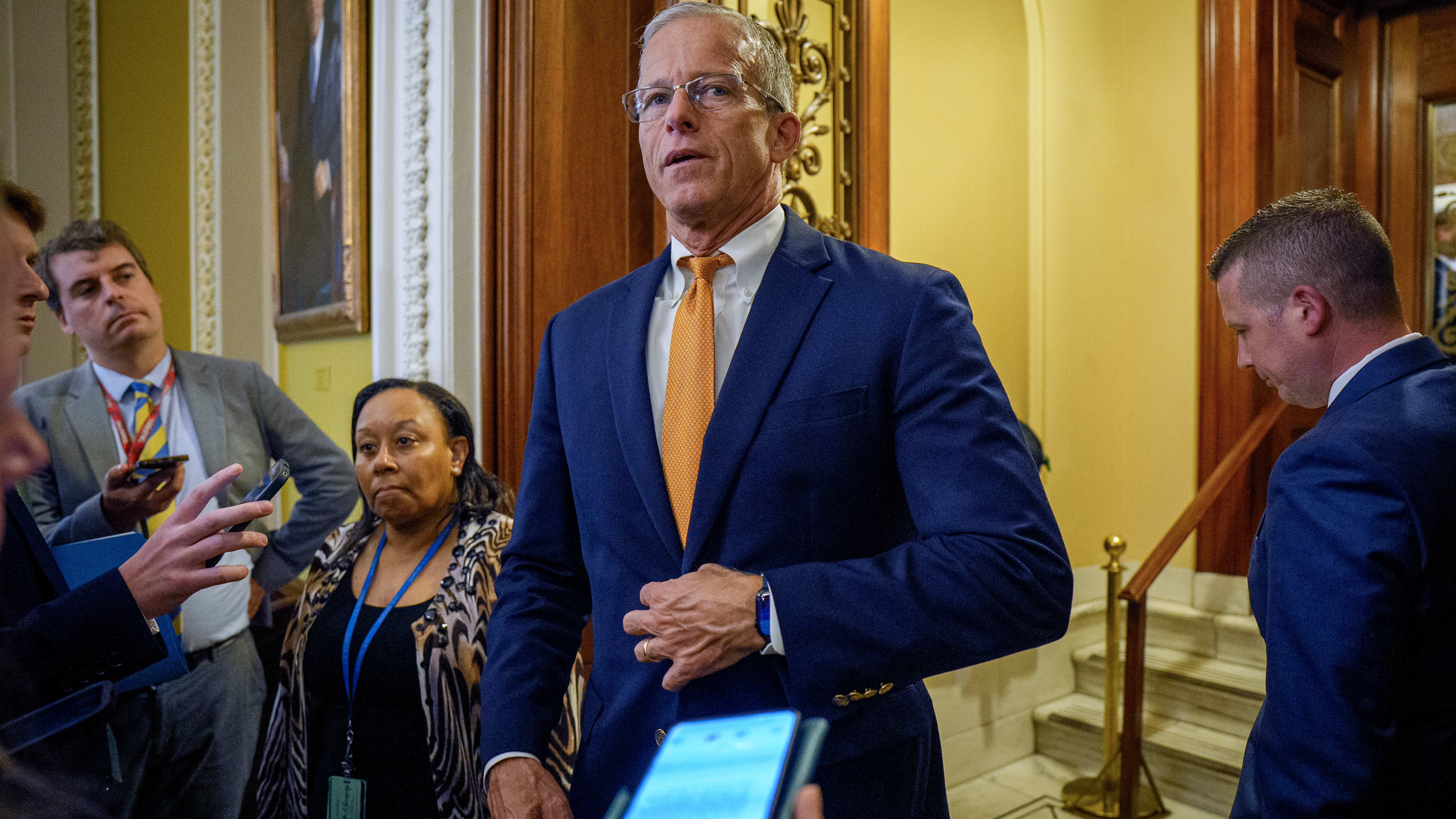
Senate Republicans on Thursday voted to block a Democratic-led effort to end US war powers against Iran, a decisive 49-50 vote that effectively prolongs American military involvement as the conflict marks over 200 days and has claimed the lives of 19 service members.
This analysis delves into the immediate fallout of the Senate's decision, the historical context of the War Powers Resolution, the strategic implications for US foreign policy in the Middle East, and what this vote signifies for future legislative oversight of military action.
📑 Table of Contents
1. The Vote: A Divided Senate
The procedural vote saw Senate Republicans largely unite against the Democratic measure, despite a notable increase in GOP support compared to previous attempts. The resolution, which had previously passed the House with bipartisan backing, failed to garner the necessary majority in the upper chamber. Senate Democrats, spearheaded by Minority Leader Chuck Schumer and Senator Andy Kim, invoked the War Powers Resolution to force the vote, aiming to assert congressional authority over the ongoing military engagement.
The outcome underscores a deep partisan divide on how to approach the protracted conflict with Iran, a situation that has seen significant escalation in recent months. While some Republicans have signaled a growing unease with indefinite military deployments, the majority appear to favor maintaining existing authorizations, or at least resisting Democratic attempts to unilaterally curtail executive branch actions.
Shifting GOP Stance
The inclusion of 19 American service members killed in the conflict was intended to be a stark reminder of the human cost, yet it did not sway enough Republican votes to overcome the procedural hurdle. Analysts suggest this indicates a broader strategic disagreement or a reluctance to cede perceived executive authority during a period of heightened international instability.
2. Context: The War Powers Resolution's Role
The War Powers Resolution of 1973, enacted over President Nixon's veto, was designed to curb presidential power to commit US forces to armed conflict without congressional consent. It requires the President to notify Congress within 48 hours of committing armed forces to military action and prohibits sustained combat beyond 60 days (with a 30-day extension) unless Congress grants an authorization for the use of military force (AUMF) or declares war.
In this instance, Democrats argued that the existing legal framework, likely rooted in older, broad authorizations, was insufficient to justify the current level of engagement. By forcing a vote on a new war powers resolution, they sought to compel Congress to re-evaluate and potentially terminate the authorization for military action against Iran, thereby reasserting legislative oversight.
Historical Precedents
Numerous presidents have chafed under the War Powers Resolution, often viewing its reporting requirements as advisory and its time limits as infringements on their commander-in-chief duties. This latest attempt highlights the ongoing tension between the executive and legislative branches regarding the initiation and continuation of military operations, a debate that has resurfaced repeatedly throughout modern American history.
3. Why This Matters: Implications for US Policy

The Senate's rejection of the war powers resolution has significant implications. It signals a continued reliance on existing, perhaps outdated, legal authorities for military operations, potentially allowing the executive branch greater latitude in shaping foreign policy and military engagements without explicit, renewed congressional mandates. This could embolden future administrations to pursue military objectives with less direct legislative oversight.
Furthermore, it raises questions about the long-term strategy for dealing with Iran. By failing to pass a resolution that would have forced a re-evaluation, Congress has, for now, deferred a critical decision on whether continued military action is in the US national interest, especially given the rising casualty count and the 200-day mark of sustained conflict.
Congressional Authority and Accountability
The vote also represents a setback for those in Congress seeking to reassert their constitutional role in matters of war and peace. The failure to pass the resolution suggests that achieving a bipartisan consensus on ending military engagements, even in the face of casualties, remains a formidable challenge. This could weaken Congress's ability to hold the executive accountable for prolonged military interventions.
4. Stakeholder Positions: Shifting Alliances
The Democratic leadership framed the vote as a necessary step to prevent further loss of life and to recalibrate US foreign policy. Senator Kim, a vocal proponent, likely emphasized the need for clear congressional approval for ongoing military actions, arguing that the current situation demands a fresh mandate.
On the Republican side, the opposition suggests a divergence of views within the party. While some may be concerned about the financial and human costs of prolonged conflict, others likely prioritize national security concerns or are wary of setting a precedent that could limit future presidential flexibility. The increased GOP support, though not enough to pass the measure, may indicate a growing internal debate within the party about the appropriate level of congressional involvement in foreign military operations.
International Perspectives
Internationally, the Senate's decision could be interpreted in various ways. Allies may view it as a sign of American commitment to confronting perceived threats in the region, while adversaries might see it as a sign of US resolve or, conversely, a potential indicator of internal division and a lack of clear strategic direction. The ongoing conflict and the domestic debate surrounding it inevitably shape perceptions of American foreign policy strength and consistency.
5. Looking Ahead: The Path Forward
With the war powers resolution defeated in the Senate, the immediate future of US military engagement in Iran remains largely unchanged, dictated by existing authorizations and executive decisions. However, the close vote and the increased bipartisan support for the measure suggest that the debate over congressional oversight of military action is far from over. Future attempts to force votes on war powers resolutions or to pass new AUMFs are likely.
The 19 service members killed represent a tragic milestone that may continue to fuel calls for re-evaluation. Analysts will be watching closely to see if public opinion or further developments on the ground lead to a shift in congressional sentiment. The administration may also face pressure to provide greater transparency regarding the objectives, costs, and strategic rationale behind the ongoing military operations.
Potential Legislative Next Steps
Democrats may seek alternative legislative avenues to challenge or limit military action, perhaps through appropriations riders or targeted oversight hearings. The broader implications for US strategy in the Middle East, particularly concerning Iran's regional influence and the broader geopolitical landscape, will continue to be a focal point for policymakers and the public alike. The debate over when and how Congress should authorize or terminate the use of military force remains a critical constitutional and strategic issue.
🔥 Follow Azeem USA for continuous updates and analysis on this developing story.
Conclusion
The US Senate's failure to pass a war powers resolution to end military engagement in Iran marks a significant moment, extending the status quo despite mounting casualties and the conflict's passage beyond the 200-day mark. The 49-50 vote underscores deep divisions within Congress regarding oversight of military action.
Moving forward, attention will focus on whether renewed efforts will emerge to constrain executive military authority, how the administration will navigate continued engagement, and the evolving geopolitical ramifications in the Middle East. The debate over congressional power in matters of war and peace remains central to American foreign policy.
❓ FAQ
What is the War Powers Resolution?
The War Powers Resolution of 1973 is a federal law intended to check the U.S. President's power to commit the country to an armed conflict without the consent of Congress.
Why did the Senate vote fail?
Senate Republicans largely voted against the measure, preventing it from reaching the 51-vote threshold needed to advance, despite some new GOP support for the Democratic effort.
How many US service members have been killed?
The conflict has resulted in the deaths of 19 American service members.
Did the resolution pass the House?
Yes, the war powers resolution had previously passed the House of Representatives with bipartisan support.
What happens next for US military action in Iran?
Without the resolution passing, existing authorizations for military force remain in effect, allowing the executive branch to continue military operations as determined.
Comments
Post a Comment