Trump Cuts $1 Billion in Spending: The Rare Executive Power Explained 📸 Image Credit: yahoo.com By Azeem-USA · Fri Sep 25 2026 English (en-US) In a move that has sent shockwaves through the Washington establishment, President Donald Trump has exercised rare and highly contested authority to cancel nearly $1 billion in spending that had previously been approved by Congress. This decision marks a significant shift in the administration's approach to fiscal oversight and the enforcement of its policy priorities. In this comprehensive guide, we analyze the mechanics of this budgetary maneuver, the specific programs targeted, and what this means for the balance of power between the executive and legislative branches. 📑 Table of Contents The $1 Billion Cutback: Explained Understanding the Rare Executive Authority Impact on Immigrant Services and Refugee Programs The Political and Legal Controversy The Future Implications for Federal Budgeting FAQ ...

🚨 Breaking News Analysis
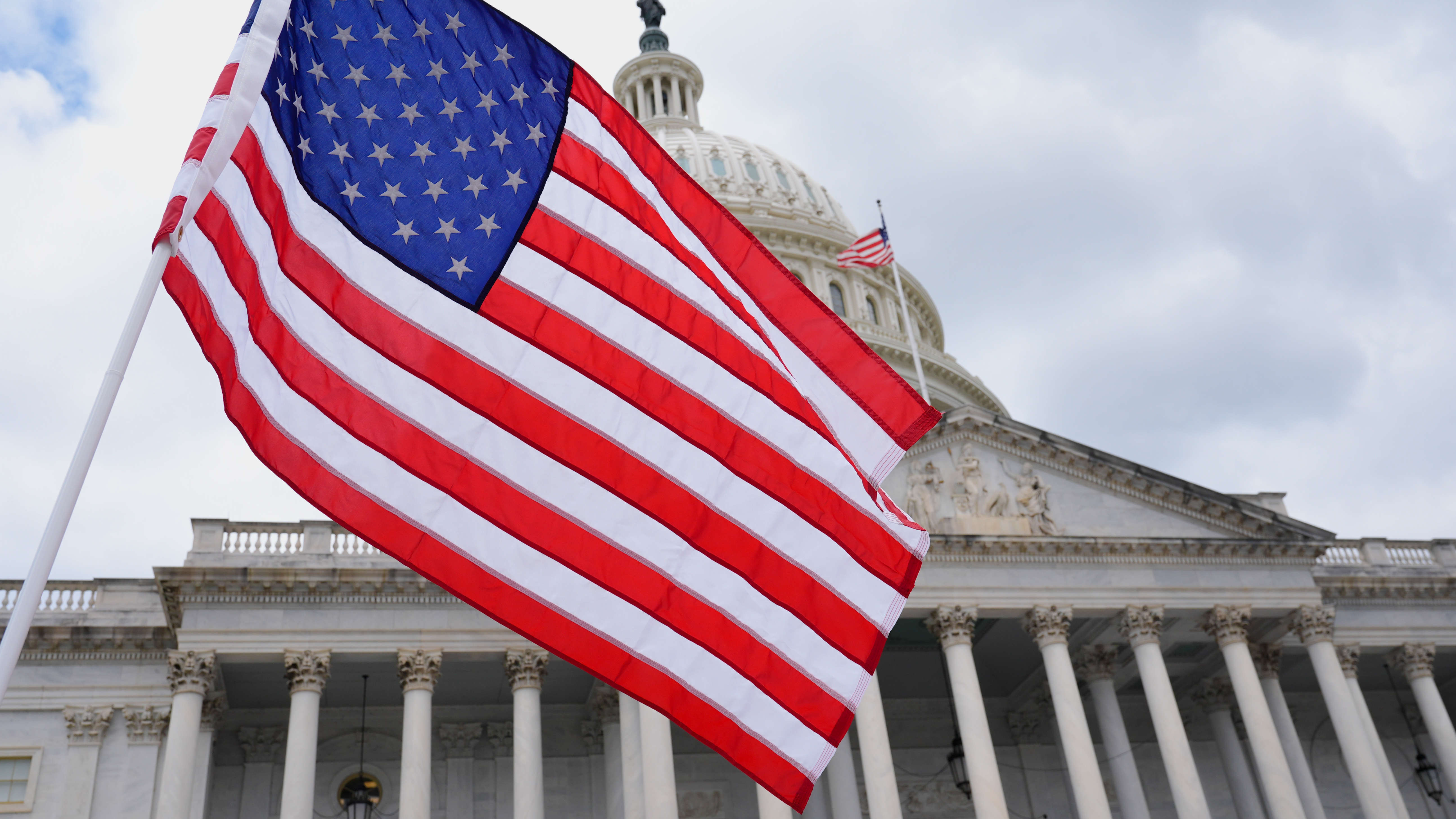
President Donald Trump has wielded an unusual executive power to cancel nearly $1 billion in spending previously approved by Congress. The White House announced the move Friday, framing it as a necessary step to eliminate what it deems harmful government expenditures.
This analysis will break down the specifics of the funding cuts, explore the controversial authority used, examine the administration's rationale, and consider the immediate political and legal implications.
📑 Table of Contents
1. The Shock Announcement
In a move that has sent ripples through Washington, the Trump administration revealed Friday its decision to claw back approximately $1 billion in congressionally allocated funds. This action utilizes a rarely invoked presidential authority, signaling a significant assertion of executive power over legislative appropriations.
The Office of Management and Budget (OMB) confirmed the rescissions, characterizing the targeted spending as among the "most harmful government spending." The announcement immediately drew sharp criticism from lawmakers and advocacy groups who view the move as a unilateral redirection of taxpayer money and a disregard for the legislative process.
A Presidential Power Play
The specific mechanism employed is known as a rescission, where the President can propose to Congress that certain budget authority be canceled. However, the administration appears to be leveraging a more aggressive interpretation or application of this power, potentially bypassing traditional congressional negotiation or requiring its explicit consent for such large-scale cancellations.
2. What Funds Are Targeted?
The bulk of the rescinded funds are directed at programs within the Department of Health and Human Services (HHS). These include initiatives that provide services to refugees and unaccompanied minors apprehended while attempting to enter the country illegally. The administration argues these funds are now unnecessary, a claim immediately contested by those familiar with the programs' operations and the ongoing needs they address.
Beyond refugee and migrant services, the cuts also impact diversity-focused initiatives. While the exact scope of these diversity program cuts was not immediately detailed, the inclusion signals a broader philosophical objection by the administration to spending in these areas. Critics argue this constitutes a deliberate dismantling of programs aimed at promoting equality and inclusion within government operations and services.
Specific Program Impacts
Sources indicate that significant portions of the funds were earmarked for the Unaccompanied Alien Child Care program and other refugee resettlement efforts. These programs have faced increasing strain due to policy changes and border dynamics, making the funding cuts particularly impactful and raising questions about the fate of vulnerable populations.
3. The Legal and Political Battleground

The use of presidential rescission authority is a complex and often contentious area of law. While the Impoundment Control Act of 1974 allows presidents to propose deferrals or rescissions of budget authority, Congress retains significant oversight and the ultimate power to approve or reject such proposals. The administration's aggressive action suggests a potential legal challenge is likely.
Democrats and some Republicans who championed the original appropriations are already signaling their intent to fight the rescissions. They argue that the President cannot unilaterally undo spending approved by both chambers of Congress and signed into law. This could lead to immediate legislative efforts to block the cuts or legal action challenging the executive branch's interpretation of its authority.
Checks and Balances Under Strain
This move reignites the perennial debate over the separation of powers between the executive and legislative branches. Critics contend that such broad rescissions undermine Congress's power of the purse, a fundamental check on presidential authority. The administration, however, likely views this as a necessary executive function to ensure fiscal responsibility and align spending with its policy priorities.
4. Administration's Justification
The White House, through the OMB, has framed these cuts as fiscally responsible and necessary to redirect resources away from what they perceive as ineffective or harmful programs. The statement specifically cited the perceived obsolescence of funds for refugee services, suggesting that changing circumstances or policies have rendered the appropriated amounts no longer necessary.
Regarding diversity initiatives, the administration's rationale appears rooted in a broader ideological stance against certain types of spending. While not explicitly detailed in initial statements, the implication is that these programs do not align with the administration's vision for government efficiency and focus. This interpretation positions the cuts as a policy decision, not merely a budgetary adjustment.
Focus on "Harmful Spending"
The OMB's characterization of the spending as "harmful" is a strong indicator of the administration's perspective. It suggests a belief that these particular programs not only are unnecessary but actively detrimental, either to national interests or to the principles the administration seeks to uphold. This framing is likely intended to preemptively counter criticism by portraying the action as a protective measure.
5. Looking Ahead: The Fallout
The immediate future will likely see intense political maneuvering and potential legal battles. Congressional leaders opposed to the cuts are expected to explore all available avenues to restore the funding, potentially through appropriations riders or emergency measures. The judicial system may also become involved if legal challenges are mounted against the administration's use of rescission authority.
Beyond the political and legal arenas, the practical impact on the ground will be significant. Service providers for refugees and unaccompanied minors may face immediate funding shortfalls, potentially affecting the care and processing of vulnerable individuals. The broader implications for diversity and inclusion efforts within the federal government also remain a critical point of concern for many stakeholders.
Key Questions to Watch
How Congress responds will be crucial. Will there be bipartisan opposition strong enough to challenge the executive? What legal precedents will be set by this aggressive use of rescission power? And what will be the tangible human impact of these funding shifts on the populations served by the affected programs? These questions will shape the unfolding narrative.
🔥 Follow Azeem USA for continuous updates on this developing story.
Conclusion
President Trump's decision to cancel nearly $1 billion in congressionally approved funds marks a significant assertion of executive power. The targeted programs, primarily serving refugees and unaccompanied minors, alongside diversity initiatives, are now at the center of a heated political and potential legal dispute.
The coming days and weeks will be critical to understanding the durability of these cuts and the future balance of power between the White House and Capitol Hill. The administration's justification faces immediate scrutiny, and the impact on affected programs and individuals will be closely monitored.
❓ FAQ
What is the total amount of funding being rescinded?
The Trump administration is canceling nearly $1 billion in congressionally approved spending.
Which types of programs are most affected by these cuts?
The majority of the cuts target Health and Human Services programs serving refugees and unaccompanied minors. Diversity-focused initiatives are also impacted.
What authority is President Trump using for these cuts?
The President is using a rare and contested presidential authority, often referred to as rescission power, to cancel the funds.
What is the administration's stated reason for the cuts?
The administration describes the funding as "harmful government spending" and argues that some funds are no longer necessary.
What are the potential next steps?
The move is expected to face significant political opposition from Congress and could lead to legal challenges. The practical impact on affected programs and individuals will also be a major focus.
Comments
Post a Comment