Breaking: Zelensky Pleads for US Sanctions After Trump Order Pauses New Measures 🚨 Breaking News Analysis 📸 Image Credit: yahoo.com By Azeem-USA · Sat Oct 17 2026 English (en-US) Ukrainian President Volodymyr Zelensky on Saturday implored international allies and domestic supporters to advocate for new United States sanctions against Russia, hours after President Donald Trump signed an executive order placing a significant package of restrictions on hold. This sudden U.S. policy shift injects immediate uncertainty into the ongoing conflict, raising alarms in Kyiv about potential exposure to escalating Russian aggression as winter looms. This analysis will break down the immediate implications of President Trump's decision, Zelensky's response, the strategic rationale behind the paused sanctions, and the potential consequences for Ukraine, Russia, and the wider geopolitical landscape. 📑 Table of Contents The Shock Executive Order Zelen...

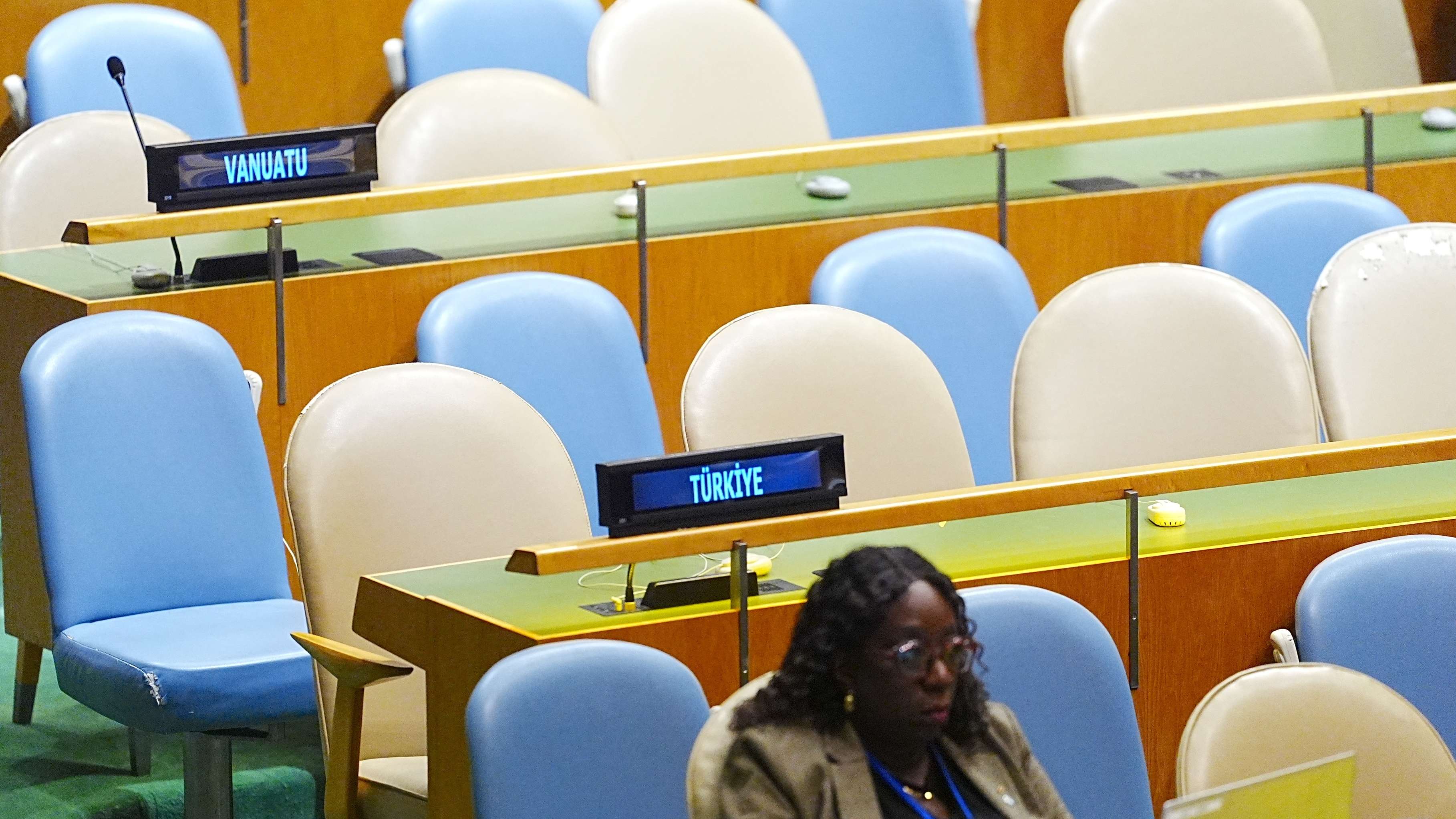
The United Nations General Assembly is often a stage for global dialogue and diplomatic maneuvering. However, a recent address by Israeli Prime Minister Benjamin Netanyahu turned into a stark visual representation of international schism.
As Netanyahu took the podium, a significant number of world leaders chose to depart, underscoring the deep divisions and widespread criticism Israel faces regarding its actions in the Gaza Strip and the occupied West Bank. This event demands a closer examination of the context, the rhetoric, and the potent message sent by this mass departure.
📑 Table of Contents
1. The Setting: A Divided General Assembly
The United Nations General Assembly, a forum designed for multilateral diplomacy and the peaceful resolution of disputes, recently witnessed a moment of profound division. Prime Minister Benjamin Netanyahu's scheduled address, intended to present Israel's perspective on current geopolitical challenges, was overshadowed by an unprecedented display of dissent from within the hall itself.
This walkout, involving leaders from various nations including European and Middle Eastern states, was not merely a passive protest. It was an active, visible rejection of the speaker's presence and, by extension, the policies he represents. The act signals a growing weariness and condemnation from the international community regarding the prolonged conflict and its human cost.
The Scale of the Departure
Reports indicated that numerous delegates, including representatives from key allied nations, rose and exited the chamber as Netanyahu began his remarks. This collective action sends a powerful signal that traditional diplomatic channels are being strained by the severity of the ongoing situation.
2. Netanyahu's Opening Salvo and the Walkout
Prime Minister Netanyahu's opening words were sharp, directly addressing those who chose to leave. He began by stating, "If there are any other moral cowards who haven't yet left this hall, please do so now." This confrontational opening immediately set a combative tone for his address and seemed to anticipate or perhaps even provoke the walkout.
The Prime Minister's arrival in New York was timed specifically for this address, with a short stay indicating the strategic importance placed on this UN platform. However, the immediate exodus of delegates suggested that his message, or at least the way it was being delivered, was failing to resonate with a significant portion of the international audience present.
A Calculated Risk in Rhetoric
The choice of such a provocative opening statement raises questions about strategy. Was it an attempt to rally his domestic support by projecting strength, or a miscalculation that alienated potential international sympathizers and hardened existing opposition?
3. International Condemnation and Isolation

The walkout serves as a potent symbol of the broad condemnation Israel is facing on the international stage. The ongoing military operations in Gaza and the continued expansion of settlements in the occupied West Bank have drawn severe criticism from human rights organizations, international bodies, and many sovereign nations.
This growing isolation is reflected not only in the actions of individual leaders at the UN but also in broader diplomatic shifts and calls for accountability. The narrative of Israel's actions being increasingly viewed as detached from international law and humanitarian principles appears to be gaining traction, complicating its diplomatic relations.
Shifting Alliances and Perceptions
The presence of leaders from countries typically considered allies walking out highlights a complex geopolitical landscape. It suggests that even traditional partnerships are being tested by the current trajectory of the conflict and the perceived lack of resolution or adherence to international norms.
4. The Core Arguments: Security and Self-Defense
Despite the international backlash, Prime Minister Netanyahu's address was expected to focus on Israel's narrative of security concerns and the right to self-defense. In the face of ongoing threats, Israel maintains that its actions are necessary to protect its citizens from militant groups and ensure its long-term security.
The Israeli government consistently highlights the threat posed by Hamas and other militant factions operating from Gaza, as well as the broader regional security challenges. These arguments often center on preventing attacks and dismantling infrastructure perceived as hostile, framing their actions as defensive necessities rather than aggressive postures.
The Dilemma of Collective Punishment
However, critics argue that the scale of the military operations, particularly in densely populated areas like Gaza, results in disproportionate harm to civilians and constitutes collective punishment. The international outcry often centers on the humanitarian impact, the destruction of infrastructure, and the potential violations of international humanitarian law.
5. Global Reactions and Future Implications
The walkout at the UN is more than a symbolic gesture; it has tangible implications for Israel's diplomatic standing and its future engagement with the international community. It signals a potential hardening of positions and a deepening of the divide, making future peace negotiations even more challenging.
This event underscores the urgent need for de-escalation, dialogue, and a renewed commitment to international law and human rights. The path forward requires a delicate balance between legitimate security concerns and the imperative to protect civilian lives and uphold international humanitarian standards.
The Path to Resolution
Moving beyond this cycle of conflict and condemnation necessitates a fundamental shift in approach. For lasting peace, all parties must engage in meaningful dialogue, address the root causes of the conflict, and demonstrate a genuine commitment to a just and equitable resolution that respects the rights and security of all people in the region.
🔥 Stay informed on critical global events and their impact. Visit Azeem USA for insightful analysis.
Conclusion
The dramatic walkout during Benjamin Netanyahu's address at the UN General Assembly serves as a stark reminder of the profound global divisions surrounding the Israeli-Palestinian conflict. It highlights the significant international criticism Israel faces regarding its actions in Gaza and the West Bank.
As the international community grapples with this complex situation, the event at the UN compels a deeper reflection on the path toward sustainable peace, emphasizing the critical need for adherence to international law, humanitarian principles, and a renewed diplomatic effort to address the core issues driving the conflict.
❓ FAQ
Why did world leaders walk out during Netanyahu's UN speech?
Many leaders walked out as a form of protest against Israel's actions in Gaza and the West Bank, reflecting broad international condemnation.
What was Netanyahu's reaction to the walkout?
Netanyahu responded by calling those who left "moral cowards" and urged any remaining delegates to also leave.
What are the main criticisms against Israel's actions?
Criticisms often focus on the humanitarian impact of military operations, particularly in Gaza, settlement expansion in the West Bank, and alleged violations of international law.
What was the purpose of Netanyahu's speech?
The speech was intended to present Israel's perspective on security concerns and its right to self-defense amidst ongoing regional conflicts.
What are the potential future implications of this event?
The walkout signifies growing international isolation for Israel and could further complicate diplomatic efforts and future peace negotiations.
Comments
Post a Comment