US Bans $1 Billion Canadian Imports: What You Need to Know 📸 Image Credit: abcnews.com By Azeem-USA · Tue Sep 29 2026 English (en-US) In a significant development that is reshaping the landscape of North American commerce, the United States has enacted a sweeping ban on over $967 million worth of Canadian imports. This move, which took effect recently, represents a sharp escalation in trade tensions between two of the world's closest economic partners. For businesses, consumers, and policymakers alike, understanding the scope and implications of this ban is crucial. Azeem USA provides an in-depth analysis of the products affected, the potential economic fallout, and what this means for the future of US-Canada trade relations. 📑 Table of Contents The Escalating Trade Dispute: What Happened? Key Products Affected: Beyond Alcohol and Motorcycles Economic Ripples: Impact on Businesses and Consumers Geopolitical Implications: A Strain on Allies L...

🚨 Breaking News Analysis
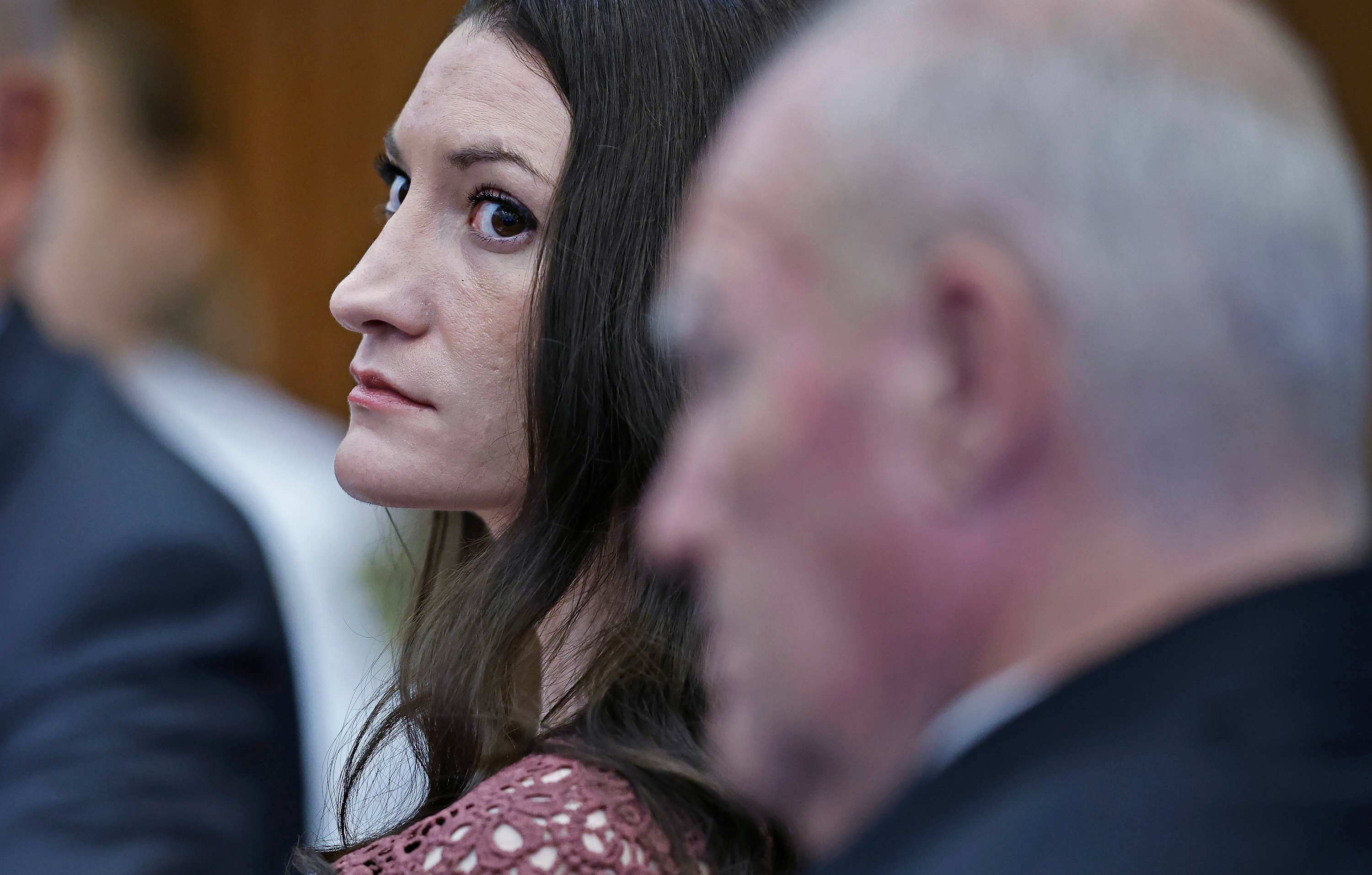
Lindsay Clancy's defense team has launched a dramatic new legal offensive, directly seeking an acquittal from a judge following a mistrial in her murder case. The move comes after a jury failed to reach a unanimous verdict, throwing the future of the prosecution into sharp uncertainty.
This analysis delves into the defense's sudden shift, the prosecution's likely response, and the complex legal and ethical implications of this pivotal moment.
📑 Table of Contents
1. Defense Mounts New Legal Challenge
In a high-stakes courtroom maneuver Tuesday, Lindsay Clancy's defense attorney, Kevin Reddington, formally requested a judge grant an acquittal. This represents a significant strategic pivot, moving away from the jury trial that ended in a deadlock. Reddington argued forcefully before Judge William Sullivan that the prosecution has failed to present sufficient evidence to prove Clancy, a former nurse, murdered her three young children.
The core of the defense's renewed argument rests on a perceived lack of direct evidence. "This entire case is based on speculation," Reddington stated, directly challenging the prosecution's narrative. He emphasized the absence of a confession or any direct admission from Clancy, implying the state's case relies heavily on circumstantial findings and interpretations rather than concrete proof of intent and action. This legal strategy aims to bypass a potential retrial by convincing the judge that the evidence, even when viewed in the light most favorable to the prosecution, does not meet the threshold for conviction.
Key Defense Tenets
Reddington's plea for acquittal hinges on the principle that a defendant cannot be convicted without proof beyond a reasonable doubt. By characterizing the prosecution's evidence as speculative, the defense aims to sow further doubt about Clancy's culpability, particularly in the absence of her own statements admitting guilt.
2. The Prosecution's Position
Prosecutor Shanan Buckingham sharply rebuffed the defense's acquittal request, labeling the argument as "laughable." This immediate and strong reaction signals the prosecution's intent to vigorously oppose any attempt to end the case prematurely. Buckingham likely believes the evidence presented during the mistrial phase was compelling enough to warrant a conviction and will argue that the jury's inability to reach a verdict does not equate to insufficient evidence.
The prosecution's case has historically centered on the tragic events of January 24, 2023, when Clancy allegedly strangled her children, Cora (5), Dawson (3), and Finn (8 months), in their Duxbury, Massachusetts home. While Clancy's defense has consistently pointed to her severe postpartum depression and potential psychosis, prosecutors have maintained that her actions were deliberate and criminal, not solely the product of mental illness. Buckingham's stance suggests the state is prepared to retry Clancy, believing a different jury or a more focused presentation of evidence could lead to a different outcome.
The Burden of Proof
The prosecution carries the burden of proving guilt beyond a reasonable doubt. The defense's strategy is to highlight any perceived gaps or weaknesses in that proof, especially after a hung jury indicated a significant portion of jurors had reasonable doubt.
3. Why This Legal Maneuver Matters

The defense's push for acquittal is a critical juncture in the Lindsay Clancy case. A judge granting such a motion would mean Clancy walks free, with no possibility of a retrial on the murder charges. This is an exceptionally high bar to clear, as judges are typically reluctant to overturn jury deliberations unless there is a clear legal error or a complete absence of evidence.
However, the defense's strategy might also serve other purposes. By publicly framing the prosecution's case as speculative and insufficient, they continue to shape public and potentially future judicial perceptions. This could be crucial if the case proceeds to a new trial, influencing jury selection and the overall atmosphere. Furthermore, it signals the defense's confidence, or at least their strategic intent, to fight aggressively to prevent a lengthy and emotionally draining retrial, especially given the complexities surrounding Clancy's mental state.
The Mistrial's Impact
A hung jury, while not an acquittal, often emboldens the defense. It demonstrates that the prosecution's evidence did not convince all jurors, providing a strong basis for arguing that a conviction is unlikely or unattainable.
4. The Shadow of Mental Health
Central to the Clancy case has been the profound issue of postpartum depression and psychosis. The defense has consistently argued that Clancy was suffering from a severe mental health crisis at the time of her children's deaths, rendering her unable to form the criminal intent required for a murder conviction. This defense, often referred to as the insanity defense or a defense based on diminished capacity, is notoriously difficult to prove.
The defense's current strategy of seeking acquittal based on insufficient evidence, rather than solely relying on an insanity plea, could be a calculated move. It avoids the high burden of proof required for an insanity defense and instead focuses on challenging the fundamental elements of the crime itself. However, the underlying context of Clancy's alleged mental state remains inseparable from the case. The prosecution will likely continue to argue that despite her struggles, Clancy's actions were not an uncontrollable break from reality but a series of deliberate acts, pointing to evidence of planning or behavior that contradicts a complete lack of mental capacity.
Navigating Mental Health Defenses
Legal battles involving severe mental illness present unique challenges, often requiring extensive expert testimony and complex legal arguments regarding intent, understanding, and control.
5. What Happens Next in the Clancy Case
Judge William Sullivan has not yet ruled on the defense's motion for acquittal. The next scheduled hearing is November 2nd, where a decision on this motion could be made, or further arguments may be heard. This date is critical for determining the immediate future of the case. If the judge denies the acquittal motion, the prosecution and defense will likely prepare for a potential retrial.
The prosecution will need to decide whether to pursue a second trial, potentially refining their presentation of evidence. The defense will continue to build its case, likely emphasizing the lack of direct proof and potentially re-introducing evidence of Clancy's severe mental health struggles. The outcome of the acquittal motion will significantly shape the legal landscape, determining whether the case moves toward a final resolution through judicial decree or another protracted legal battle in front of a new jury.
Key Dates and Decisions
The November 2nd hearing is paramount. It will reveal whether the defense's new strategy succeeds in averting a retrial or if the legal saga of Lindsay Clancy is destined for further courtroom drama.
🔥 Follow Azeem USA for continuous updates on this developing legal story.
Conclusion
Lindsay Clancy's defense has dramatically shifted gears, now seeking an acquittal from the judge after a mistrial due to a hung jury. Attorney Kevin Reddington argues the prosecution lacks sufficient evidence, a move met with sharp dismissal by prosecutors.
All eyes are now on Judge William Sullivan, whose decision on the acquittal motion will dictate whether this deeply tragic case moves towards a potential retrial or a definitive, albeit controversial, judicial end. The complexities of mental health in criminal law continue to cast a long shadow over these proceedings.
❓ FAQ
What happened in the Lindsay Clancy trial?
The trial for Lindsay Clancy, accused of murdering her three young children, ended in a mistrial because the jury could not reach a unanimous verdict.
What is the new defense strategy?
The defense is now asking the judge for an acquittal, arguing there is insufficient evidence to prove Clancy killed her children.
What was the prosecution's response?
The prosecutor called the defense's argument for acquittal 'laughable' and indicated opposition.
When is the next court date?
The next hearing is scheduled for November 2nd.
What is the significance of the mental health aspect?
The defense has consistently cited severe postpartum depression and psychosis as factors, while the prosecution maintains her actions were deliberate.
Comments
Post a Comment