
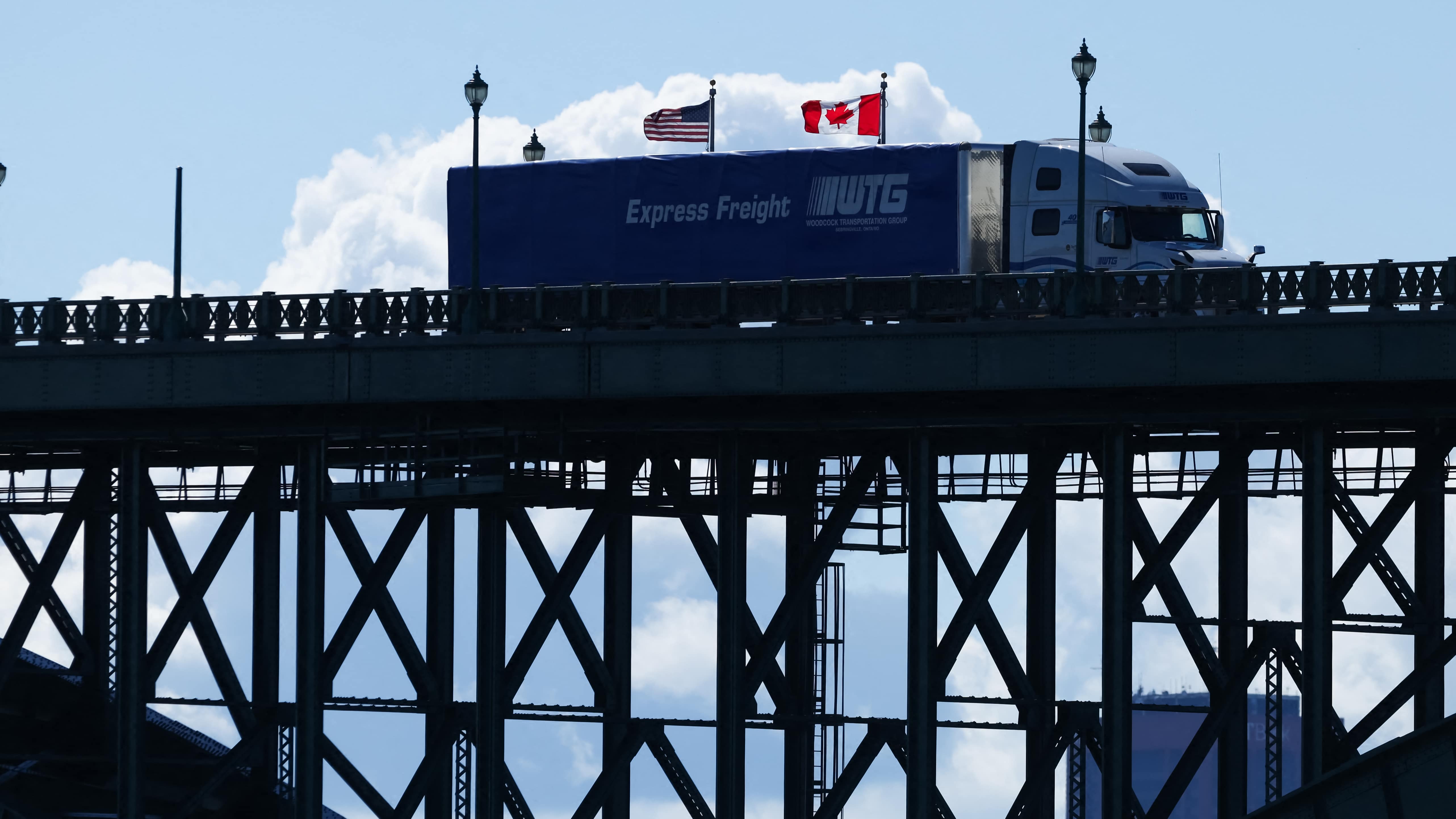
In a significant development that is reshaping the landscape of North American commerce, the United States has enacted a sweeping ban on over $967 million worth of Canadian imports. This move, which took effect recently, represents a sharp escalation in trade tensions between two of the world's closest economic partners.
For businesses, consumers, and policymakers alike, understanding the scope and implications of this ban is crucial. Azeem USA provides an in-depth analysis of the products affected, the potential economic fallout, and what this means for the future of US-Canada trade relations.
📑 Table of Contents
1. The Escalating Trade Dispute: What Happened?
The United States has officially implemented a ban on a substantial list of Canadian goods, a move that directly impacts nearly $1 billion in annual imports. This action signifies a serious escalation in a trade dispute that has been simmering between the two nations. White House documents have detailed the array of products subject to this new restriction, sending ripples of concern through various industries on both sides of the border.
This ban is not a sudden, isolated incident but rather a calculated measure within a broader trade strategy. While the specific catalysts may be complex and multifaceted, the immediate effect is a tangible disruption to established trade flows. The magnitude of the ban, affecting hundreds of millions of dollars in commerce, underscores the seriousness with which the US is approaching this trade disagreement.
Understanding the Scope of the Ban
The affected products span a wide range of categories, indicating a strategic targeting of key Canadian export sectors. From beloved beverages to high-value recreational vehicles, the ban’s reach is extensive, affecting established supply chains and consumer preferences that have been built over years of open trade.
2. Key Products Affected: Beyond Alcohol and Motorcycles
While headlines often focus on prominent items, the US ban encompasses a surprisingly diverse portfolio of Canadian imports. Beyond the highly publicized restrictions on whiskey and wine, the list includes a variety of alcoholic beverages, impacting distillers and wineries that have long relied on the US market. Similarly, the prohibition on motorcycle imports directly affects manufacturers and dealerships catering to a significant consumer base.
However, the impact doesn't stop there. Dairy products, a sensitive area in agricultural trade, are also included, potentially disrupting established quotas and market access. Other industrial and consumer goods, ranging from specific manufactured items to components used in American production, are also caught in the crossfire. This broad application suggests a comprehensive approach to leverage trade as a point of negotiation.
Dairy and Agricultural Commodities in Focus
The inclusion of dairy products is particularly noteworthy, given the intricate trade agreements and sensitivities surrounding agricultural sectors. This move could have significant implications for Canadian dairy farmers and US consumers who benefit from these imports, potentially leading to price adjustments and supply chain shifts.
3. Economic Ripples: Impact on Businesses and Consumers

The immediate economic consequences of this ban are far-reaching. For Canadian businesses that export these targeted goods, the loss of access to the lucrative US market represents a significant blow. Companies may face reduced revenues, potential layoffs, and the challenging task of finding alternative markets, which is often a lengthy and costly process. The uncertainty generated by such trade actions can also deter investment and stifle innovation.
On the US side, consumers may experience a reduction in choice and potentially higher prices for certain goods, particularly in the alcohol and dairy sectors. Retailers and distributors who have built their inventory and marketing strategies around these Canadian imports will need to adapt quickly. The ban also affects industries that rely on these Canadian products as inputs for their own manufacturing processes, creating downstream economic effects.
Navigating Supply Chain Disruptions
Businesses across North America are now tasked with navigating these sudden supply chain disruptions. This involves re-evaluating sourcing strategies, exploring alternative suppliers, and potentially absorbing increased costs. The efficiency and resilience of existing trade networks are being tested, highlighting the interconnectedness of the two economies.
4. Geopolitical Implications: A Strain on Allies
The US-Canada relationship has long been characterized by deep economic integration and close diplomatic ties. This trade ban, however, introduces a significant point of friction between two historically strong allies. Such measures can strain diplomatic efforts and create a perception of unreliability in trade partnerships, potentially impacting broader strategic cooperation on other global issues.
The timing of this ban, amidst other international challenges, could be seen as particularly detrimental. It risks undermining the trust and predictability that are fundamental to robust international relations. Both governments will face pressure to manage the fallout and prevent further deterioration of their economic and political partnership. The international community will be watching closely to see how this dispute is resolved and what precedent it sets.
Diplomatic Channels and Negotiation
While the ban is a concrete action, the underlying dispute is likely to be addressed through diplomatic channels. Negotiations will be key to finding a resolution that satisfies the concerns of both nations and restores stability to their trade relationship. The success of these talks will depend on the willingness of both sides to compromise and find mutually beneficial solutions.
5. Looking Ahead: Potential Resolutions and Future Trade
The path forward from this trade ban is uncertain, but resolutions will likely involve a combination of diplomatic negotiation and strategic adjustments by affected industries. Both the US and Canada have significant stakes in maintaining a stable and prosperous trade relationship, suggesting that a complete breakdown is unlikely. However, the terms of any resolution could reshape future trade dynamics.
Industries impacted by the ban may advocate for government support or explore new market opportunities. Consumers will likely adapt to changes in product availability and pricing. Ultimately, the resolution of this dispute will offer valuable lessons about the complexities of international trade, the importance of robust diplomatic communication, and the resilience required of businesses operating in a globalized economy.
The Importance of Predictable Trade Policies
This incident underscores the critical need for predictable and stable trade policies. Businesses thrive on certainty, and sudden restrictions can have cascading negative effects. Moving forward, a focus on clear communication and collaborative problem-solving will be essential to maintaining the strong economic bonds between the United States and Canada.
🔥 Stay informed on critical trade news impacting the US and North America.
Conclusion
The recent US ban on over $967 million in Canadian imports marks a significant moment in the economic relationship between the two North American neighbors. Affecting everything from spirits and wines to motorcycles and dairy, this action introduces considerable disruption and uncertainty.
As both nations navigate the immediate consequences and engage in diplomatic efforts, the long-term implications for trade, business strategies, and consumer markets remain to be seen. Azeem USA will continue to monitor these developments, offering insights into how this trade dispute evolves and what it means for the future of commerce in North America.
❓ FAQ
What is the total value of Canadian imports banned by the US?
The United States has banned approximately $967 million worth of Canadian imports annually.
What types of products are included in the US ban?
The ban includes a wide range of products such as whiskey, wine, other alcoholic beverages, motorcycles, and dairy products.
What is the primary reason cited for the US ban?
The source snippet indicates this is an escalation of a trade war between the US and Canada, though specific detailed reasons for each product category may vary.
How might this ban affect Canadian businesses?
Canadian businesses exporting the affected goods could face reduced sales, revenue loss, and the challenge of finding alternative markets.
What are the potential impacts on US consumers?
US consumers might see reduced product variety and potentially higher prices for certain goods, especially in the alcohol and dairy sectors.
Comments
Post a Comment