
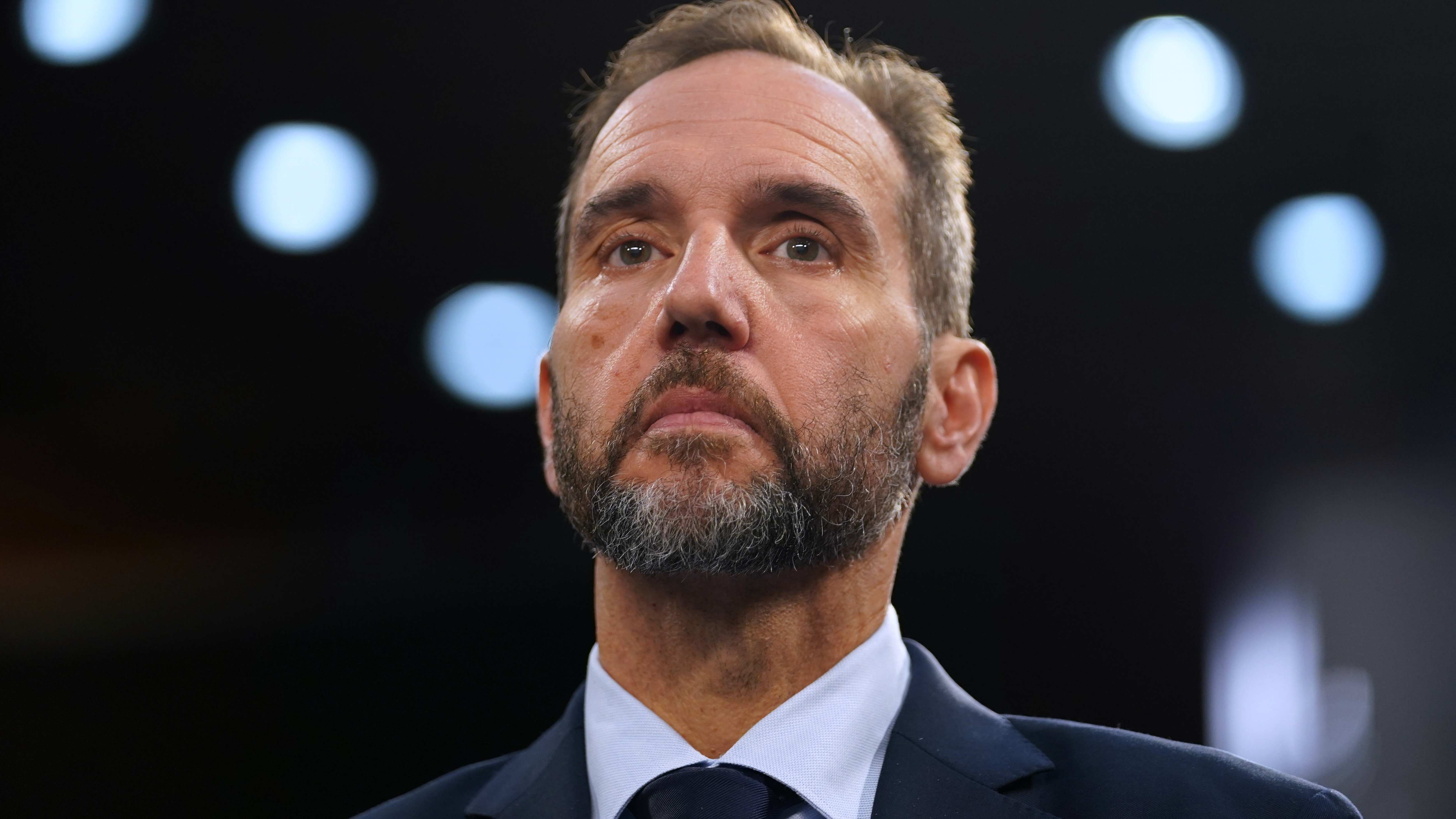
In the high-stakes arena of American jurisprudence, few moments carry as much tension as the testimony of former special counsel Jack Smith. As the man behind the federal indictments against former President Donald Trump, Smith has found himself at the center of a political storm that transcends simple legal proceedings.
This article explores the core takeaways from Smith's recent statements, his refusal to be intimidated by threats, and the broader implications for the future of the United States Department of Justice.
📑 Table of Contents
1. The Defiant Stance of Jack Smith
Former Justice Department special counsel Jack Smith recently appeared before the Senate Judiciary Committee with a message of unwavering resolve. Despite the intense political pressure and explicit threats of future prosecution, Smith made it clear that he would not be silenced. His testimony was not merely a legal defense of his cases but a philosophical stand on the independence of the prosecutor's office.
Smith's appearance was marked by a gravity that reflected the seriousness of the allegations. By addressing the threats coming from the Trump administration circles directly, he signaled that the legal process must remain insulated from political retribution to ensure the safety of those tasked with executing the law.
Resilience Against Intimidation
Smith emphasized that the work of his team was based on evidence and the law, not on reacting to the hostile rhetoric that often accompanies high-profile political trials.
2. Defending the Integrity of Federal Indictments
A primary focus of Smith's testimony was the strength of the two federal cases he brought against Donald Trump. These cases, regarding the 2020 election and the classified documents matter, have been characterized by critics as politically motivated. Smith countered this narrative by asserting that the evidence is robust and that the cases can withstand the scrutiny of a federal courtroom.
He argued that the indictments were driven by a commitment to upholding the Constitution rather than a desire for power. By standing behind these cases, Smith is attempting to reassure the public that the legal system functions based on objective facts, regardless of the status of the accused.
Evidence-Based Decision Making
The special counsel maintained that the decisions to prosecute were made after an exhaustive review of the available facts, which provided a clear foundation for criminal charges.
3. The Threat to the Rule of Law

Smith issued a stark warning, stating that the rule of law is currently being threatened like never before. This refers to the growing trend of using the threat of prosecution as a weapon against those who investigate political figures. If prosecutors fear personal or professional ruin for performing their duties, the foundation of the legal system begins to crumble.
The implication is clear: when the law becomes a tool for political vengeance, the concept of equality under the law is lost. Smith's testimony served as a call to action for lawmakers to protect the boundaries that keep the Department of Justice independent from executive interference.
Protecting Judicial Norms
The testimony highlighted that the stability of the American government depends on the ability of officials to act without fear of future political retaliation.
4. Political Independence in Legal Prosecution
One of the most significant aspects of Smith's statement was his assertion that he and his team acted without regard to Donald Trump's political standing. In an era of deep polarization, the claim that a prosecutor can pursue a Republican leader without bias is often met with skepticism. However, Smith insisted that the process was strictly legalistic and procedural.
This independence is crucial for maintaining public trust in federal institutions. If the public perceives that the justice system is being used by one party to destroy another, the legitimacy of every verdict is called into question, leading to a cycle of endless litigation that destabilizes the nation.
The Non-Partisan Prosecutor
Smith reiterated that the goal of the special counsel was to ensure that the law is applied consistently, regardless of the political identity of the individuals involved.
5. The Future of Accountability in Washington
As we look forward, the cases brought by Jack Smith will likely set a precedent for how future administrations handle high-level criminal investigations. The tension between the executive branch and the judicial-legal complex has reached a boiling point, requiring a new framework for how accountability is defined in the United States.
The outcome of these trials will not only determine the fate of Donald Trump but will also define the resilience of the special counsel model. Smith's refusal to back down suggests that he is prepared for a long and arduous battle that may extend far beyond the current political cycle.
A Precedent for Generations
The resolution of these cases will signal whether the U.S. can successfully navigate the crisis of prosecuting powerful political figures.
🔥 Subscribe to Azeem USA for more in-depth analysis of global legal and political trending news.
Conclusion
Jack Smith's testimony represents a defining moment in the ongoing legal battle with Donald Trump. By refusing to be silenced and emphasizing the strength of his cases, he has placed the rule of law at the center of the national conversation.
As these cases move forward through the court system, the world will watch to see if the American legal framework can withstand such unprecedented political pressure.
❓ FAQ
Why did Jack Smith testify before the Senate Judiciary Committee?
He testified to defend the federal indictments against Donald Trump and address threats of prosecution against him.
What are the two federal cases Jack Smith brought?
The cases involve efforts to overturn the 2020 election results and the handling of classified documents.
Has Jack Smith said he will be silenced?
No, he explicitly stated he will not be silenced by continued threats of prosecution from the Trump administration.
What does Smith mean by the rule of law being threatened?
He believes that the use of political threats to stop prosecutors undermines the integrity of the entire legal system.
Are these cases considered political?
Smith maintains that the decisions were made without regard to politics and are based strictly on evidence and the law.
Comments
Post a Comment