
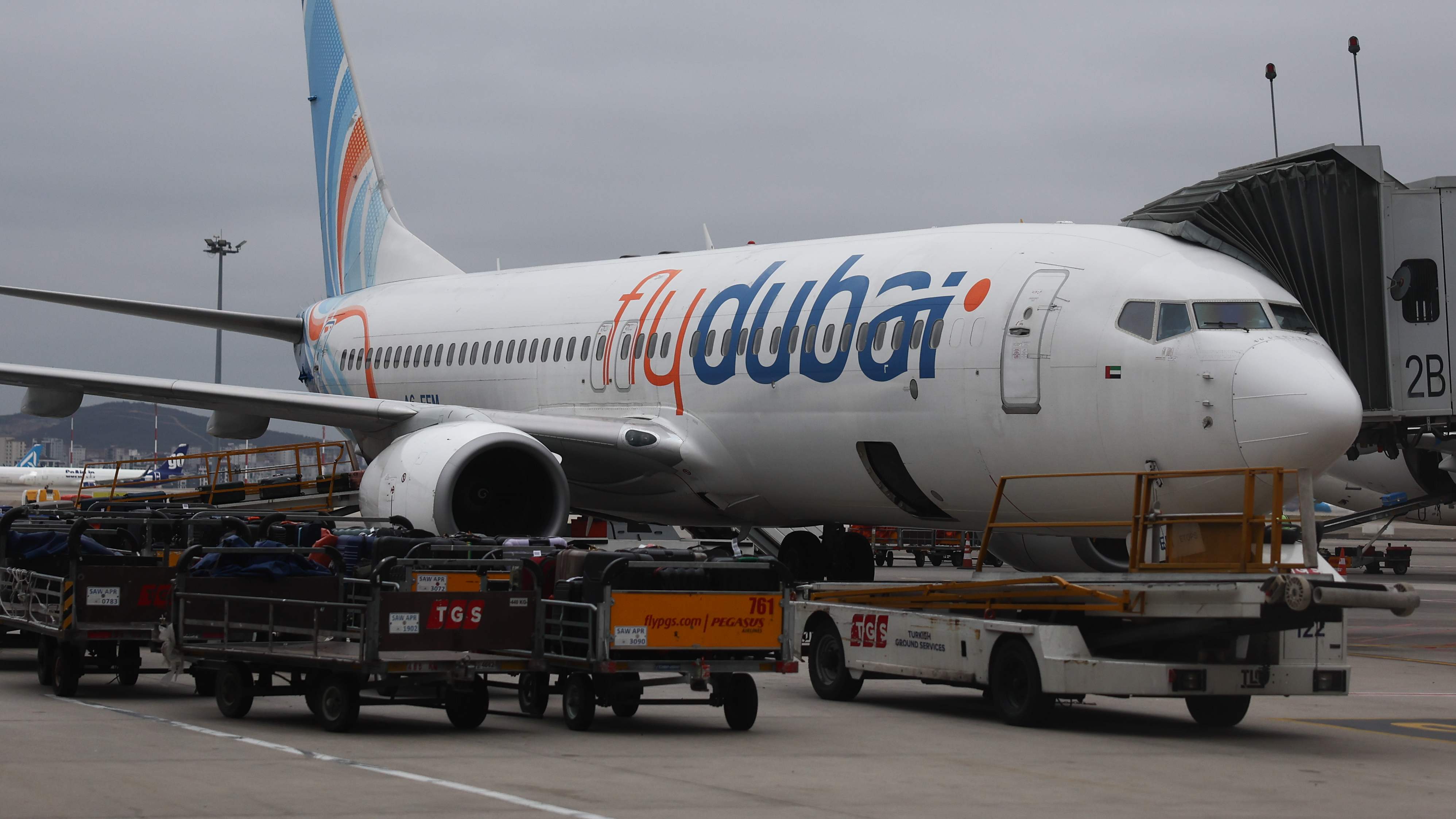
In a development that briefly sent ripples of concern across the Middle East, a commercial flight bound for Israel experienced an unexpected diversion, highlighting the complex geopolitical and operational realities of air travel in the region. This incident underscores how even seemingly routine flights can become focal points of attention due to unforeseen circumstances.
At Azeem USA, we delve into the specifics of this unusual event, exploring the sequence of actions, the underlying causes, and the broader implications for aviation safety and regional cooperation. Understanding such incidents is crucial for maintaining confidence in air travel and for appreciating the intricate systems that ensure passenger safety.
📑 Table of Contents
1. The Incident Unfolds: A Flight Diverted
A FlyDubai flight, operating a route from Dubai to Israel, triggered a significant response when it transmitted an emergency alert and was subsequently forced to make an emergency landing. The aircraft diverted to Tabuk, a location within Saudi Arabia that serves as both a civilian airport and a military base. This unexpected diversion immediately raised questions and concerns, prompting an alert and response from Israeli aviation authorities.
The initial moments of such an alert can often lead to heightened security protocols. In this case, the news prompted Israel to scramble its fighter jets, a standard procedure when an aircraft's trajectory or communication status becomes irregular, especially when heading towards its airspace. The swift response from Israel demonstrated its commitment to safeguarding its skies, even as the situation was rapidly developing and the nature of the emergency was still being assessed.
Rapid Response Protocols
The immediate scramble of jets is a testament to the sophisticated and rapid response mechanisms in place within national security frameworks. These protocols are designed to address potential threats swiftly and decisively, ensuring that any perceived risk is investigated thoroughly.
2. Unpacking the Cause: A Pilot's Feud
Contrary to initial fears of a hijacking or a more sinister security breach, Israeli media, citing security officials, reported that the cause of the emergency landing stemmed from a dispute between the plane's two pilots. This revelation shifted the narrative from a potential external threat to an internal operational issue, albeit one that necessitated extraordinary measures to ensure the safety of everyone on board.
The specifics of the feud were not detailed, but the outcome was clear: the situation escalated to a point where landing the aircraft in the nearest safe location became the priority. The fact that the flight tracking information indicated an emergency alert shortly after takeoff suggests that the disagreement may have become critical very early in the flight, necessitating immediate intervention and a diversion.
Crew Conflict Management
This incident brings to light the critical importance of crew resource management (CRM) and conflict resolution within the cockpit. While rare, interpersonal conflicts between flight crew members can have serious implications for flight safety, requiring robust training and support systems to manage such situations effectively.
3. Regional Implications and Security Response

The diversion of a commercial flight into Saudi Arabia, en route to Israel, occurred within a sensitive geopolitical context. The fact that the flight landed safely in Saudi territory, and that all passengers and crew were reported to be safe, highlights a degree of de-escalation and practical cooperation, even in the absence of formal diplomatic ties on such matters.
Saudi Arabia, by providing a landing site for the diverted FlyDubai flight, facilitated a resolution to a potentially volatile situation. This act, while primarily driven by aviation safety regulations, also underscores the shared interest in maintaining stability and security in regional air corridors. The incident served as a reminder of the interconnectedness of nations in managing common challenges, including aviation security.
Cooperation in Crisis Management
The incident demonstrates how, in critical moments, pragmatic considerations of safety and logistical necessity can guide actions between nations, even those with complex relationships. The swift resolution and confirmation of safety for all on board would have been a relief to all parties involved.
4. The Role of Flight Tracking and Alerts
Publicly available flight tracking information played a crucial role in disseminating real-time updates about the FlyDubai flight's unexpected diversion. Services that monitor flight paths and broadcast aircraft status allowed aviation enthusiasts, media, and potentially security agencies to follow the unfolding events as they happened.
The transmission of an emergency alert shortly after takeoff is a critical piece of data. This type of alert, often transmitted via the transponder, signals to air traffic control and other monitoring systems that the aircraft is experiencing a serious issue. It is a fundamental component of aviation safety, enabling rapid detection and response from the ground.
Technological Safeguards in Aviation
Modern aviation relies heavily on sophisticated tracking and alert systems. These technologies are not just for convenience but are essential safety nets that provide vital information during emergencies, allowing for timely intervention and support from aviation authorities and rescue services.
5. Lessons Learned for Future Aviation
This incident offers valuable insights for the aviation industry regarding crew management, emergency protocols, and the importance of clear communication channels. While the cause was internal, the response required coordination and trust between multiple entities, including the airline, the pilots, Israeli authorities, and Saudi aviation services.
Moving forward, airlines and regulatory bodies will likely review the protocols surrounding crew conflict and the procedures for managing emergency alerts. The event serves as a case study on how quickly a situation can escalate and the importance of having well-rehearsed contingency plans that account for a wide spectrum of potential issues, from mechanical failures to human factors.
Enhancing Aviation Resilience
The ultimate goal is to continuously enhance the resilience of air travel. This involves not only technological advancements but also a deep understanding of the human element in aviation, ensuring that crews are well-trained, supported, and equipped to handle any challenge that may arise mid-flight.
🔥 Stay informed on critical aviation news and analysis at Azeem USA.
Conclusion
The FlyDubai flight's emergency landing in Saudi Arabia, triggered by a pilot dispute, ultimately concluded without harm to passengers or crew. It stands as a peculiar yet significant event in regional aviation, underscoring the critical role of flight safety protocols and the complex interplay of factors that govern air travel in the Middle East.
As the aviation sector continues to evolve, incidents like these serve as crucial learning opportunities, reinforcing the need for robust training, effective communication, and adaptable security measures to ensure the continued safety and reliability of air transport for all.
❓ FAQ
What was the reason for the FlyDubai flight's emergency landing?
The emergency landing was reportedly caused by a dispute between the plane's two pilots.
Which countries were involved in the incident?
The flight was operated by FlyDubai, en route to Israel, and made an emergency landing in Saudi Arabia.
Were there any injuries or casualties?
No, all passengers and crew on board were reported to be safe.
What was Israel's response to the incident?
Israel scrambled its fighter jets as a precautionary measure upon receiving the emergency alert.
What is the significance of this incident for regional relations?
The incident highlights practical cooperation in aviation safety, even among nations with complex geopolitical relationships, by ensuring the safe resolution of an aviation emergency.
Comments
Post a Comment