BREAKING: White House Buzz Over Katie Zacharia's Press Sec Future After Rocky Debut 🚨 Breaking News Analysis 📸 Image Credit: yahoo.com By Azeem-USA · Wed Oct 14 2026 English (en-US) Just hours after Katie Zacharia’s first official press briefing, whispers of doubt are echoing through the West Wing, with multiple White House officials questioning her viability in the critical Press Secretary role. Her performance Tuesday, described by insiders as deeply problematic, has immediately triggered speculation about how long she can realistically hold the position under President Donald Trump's demanding standards. This analysis delves into the specifics of the briefing, the immediate internal reactions, the broader implications for White House communications, and what this rocky start portends for Zacharia’s future and the administration's public image. 📑 Table of Contents The Troubled Debut: What Happened in the Briefing Room Internal A...

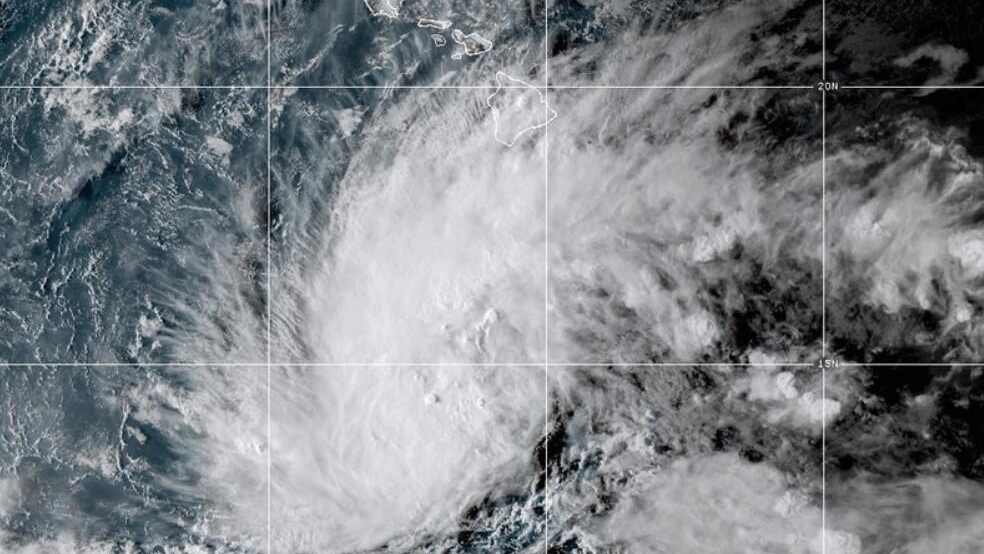
The Hawaiian Islands, renowned for their breathtaking beauty and unique ecosystems, are currently facing a significant weather threat. Tropical Storm Nolo has formed in the vast Pacific, bringing with it the potential for torrential rainfall and dangerous conditions. This developing situation demands close attention and proactive preparation from residents and authorities alike.
At Azeem USA, we are committed to keeping you informed about critical events that could impact communities. This post will delve into the specifics of Tropical Storm Nolo, its projected trajectory, the potential for extreme rainfall, and the vital steps being taken to ensure safety and resilience.
📑 Table of Contents
1. Understanding Tropical Storm Nolo's Threat
Late Wednesday night marked a significant escalation in the alert level for Hawaii's Big Island, as it was placed under a hurricane watch. The National Hurricane Center confirmed the formation of Tropical Storm Nolo in the Pacific Ocean earlier that day. Forecasters are closely monitoring its development, with predictions indicating a strong likelihood of Nolo intensifying into a hurricane by Thursday night. The concern is that it could evolve into a major hurricane, a Category 3 or higher on the Saffir-Simpson Hurricane Wind Scale, by the weekend. This classification signifies maximum sustained winds of at least 111 mph, capable of causing widespread and severe destruction.
As of late Wednesday night, Tropical Storm Nolo was registering maximum sustained winds of 50 mph. While this might seem modest compared to a major hurricane, the storm's proximity to the Hawaiian archipelago and its potential for rapid intensification are the primary drivers of the current alerts. The trajectory maps, constantly updated by meteorological agencies, are crucial tools for understanding the immediate risks and planning necessary evacuations or protective measures.
Storm Dynamics and Projections
The formation of Nolo underscores the dynamic nature of Pacific weather systems and the importance of continuous monitoring. Understanding the factors contributing to its potential strengthening is key to grasping the full scope of the threat.
2. The Science Behind the Intense Rainfall
The primary concern with Tropical Storm Nolo, beyond its potential wind speed, is the staggering amount of rainfall it is forecast to bring. Projections indicate that some areas of Hawaii could experience up to 35 inches of rain. This level of precipitation is extraordinary and carries its own set of severe risks, independent of wind damage.
Such intense rainfall can lead to flash flooding, landslides, and significant damage to infrastructure. Rivers and streams can swell rapidly, inundating communities and roads. The saturated ground, especially on the steep slopes common in Hawaii, becomes highly susceptible to mudslides and debris flows. These events can be unpredictable and incredibly dangerous, often occurring far from the storm's direct center.
Atmospheric Moisture and Terrain Interaction
The interaction between a powerful storm system and Hawaii's unique volcanic topography plays a critical role in determining rainfall intensity. Mountains can force air upward, causing it to cool and condense, leading to even heavier precipitation on windward slopes.
3. Potential Impacts on Hawaii's Infrastructure and Ecosystems

The anticipated deluge from Tropical Storm Nolo poses a multifaceted threat to Hawaii. Beyond the immediate dangers of flooding and landslides, the long-term impacts on the islands' critical infrastructure are a major concern. Roads, bridges, power grids, and water systems could all be severely compromised. The economic repercussions of such widespread damage could be substantial, affecting tourism, agriculture, and daily life for an extended period.
Hawaii's delicate natural environment is also highly vulnerable. Unique flora and fauna, many of which are endemic, could be devastated by severe flooding and habitat disruption. Coastal erosion could be exacerbated, impacting beaches and marine ecosystems. The agricultural sector, a vital part of Hawaii's economy and food security, could suffer significant crop losses, further compounding the challenges of recovery.
Vulnerability of Island Communities
Island communities often face unique challenges during natural disasters due to their geographical isolation and reliance on specific supply lines. This makes preparedness and rapid response even more crucial.
4. Preparedness and Safety Measures
In anticipation of Tropical Storm Nolo, authorities across Hawaii have been urging residents to take immediate and comprehensive preparedness measures. Emergency management agencies are coordinating efforts, issuing alerts, and preparing shelters. Residents are advised to secure outdoor objects, have emergency supply kits ready, and stay informed through official channels. Understanding evacuation routes and having a family communication plan are paramount.
The focus is on minimizing risk to life and property. This includes heeding all warnings and advisories issued by the National Weather Service and local officials. For those in flood-prone areas or near coastlines, early evacuation might be the safest course of action. Emergency services are gearing up to respond to potential incidents, but the sheer scale of the predicted rainfall means that self-reliance and community support will be essential in the initial hours and days.
Staying Informed and Connected
Reliable information is a critical tool during any approaching storm. Accessing weather updates and emergency instructions through multiple sources is strongly recommended.
5. Looking Ahead: Resilience in the Face of Climate Shifts
The arrival of Tropical Storm Nolo in Hawaii serves as a stark reminder of the increasing intensity and frequency of extreme weather events globally. Climate change is widely understood to be a significant factor in these shifts, leading to warmer ocean temperatures that can fuel more powerful storms and alter precipitation patterns. For island nations like Hawaii, which are particularly vulnerable to the impacts of climate change, building long-term resilience is not just a recommendation but a necessity.
This involves not only strengthening infrastructure and improving emergency response systems but also investing in sustainable practices that mitigate climate change and adapt to its inevitable consequences. Forward-thinking policies, community engagement, and international cooperation are all vital components of ensuring that places like Hawaii can withstand and recover from the increasing challenges posed by a changing climate. The lessons learned from Tropical Storm Nolo will undoubtedly inform future strategies for safety and sustainability.
Adapting to a New Climate Reality
The increasing frequency of severe weather events necessitates a fundamental shift in how we approach disaster preparedness and long-term environmental stewardship.
🔥 Stay informed and prioritize safety as Tropical Storm Nolo approaches Hawaii.
Conclusion
Tropical Storm Nolo presents a serious and immediate threat to the Hawaiian Islands, primarily through the potential for catastrophic rainfall and associated flooding and landslides. The alerts and watches issued underscore the gravity of the situation, urging widespread preparedness and vigilance.
As Azeem USA continues to monitor this developing story, we emphasize the importance of heeding official guidance and prioritizing safety. The resilience demonstrated by the people of Hawaii in the face of such challenges, coupled with robust planning and adaptation strategies, will be key to navigating this event and building a more secure future against the backdrop of a changing climate.
❓ FAQ
What is Tropical Storm Nolo?
Tropical Storm Nolo is a storm system that has formed in the Pacific Ocean and is approaching the Hawaiian Islands, with potential for significant rainfall and hurricane-force winds.
How much rain is expected from Tropical Storm Nolo?
Forecasts indicate that parts of Hawaii could receive up to 35 inches of rain, a potentially historic amount.
What are the main dangers associated with Nolo?
The primary dangers include extreme rainfall leading to flash floods and landslides, as well as strong winds that could reach hurricane strength.
What precautions should people in Hawaii take?
Residents are advised to secure property, prepare emergency kits, stay informed through official channels, and follow evacuation orders if given.
Could Nolo become a major hurricane?
Yes, forecasters predict that Tropical Storm Nolo could intensify into a major hurricane (Category 3 or higher) by the weekend.
Comments
Post a Comment