Breaking: Christa Pike Walking After Botched Execution Attempt 🚨 Breaking News Analysis 📸 Image Credit: yahoo.com By Azeem-USA · Thu Oct 08 2026 English (en-US) Christa Pike is reportedly "up and walking" in a hospital facility days after a failed attempt to execute her in Tennessee, according to a member of her legal team. This unprecedented development follows a botched lethal injection procedure that has once again cast a harsh spotlight on capital punishment in the United States. This analysis will delve into Pike's current physical condition, dissect the circumstances surrounding the failed execution, explore the immediate legal and ethical ramifications, and examine what this means for Tennessee's death penalty protocols moving forward. 📑 Table of Contents Pike's Condition Post-Execution Attempt The Botched Lethal Injection Legal and Ethical Questions Emerge Tennessee's Execution Procedures Under Scrutiny What ...

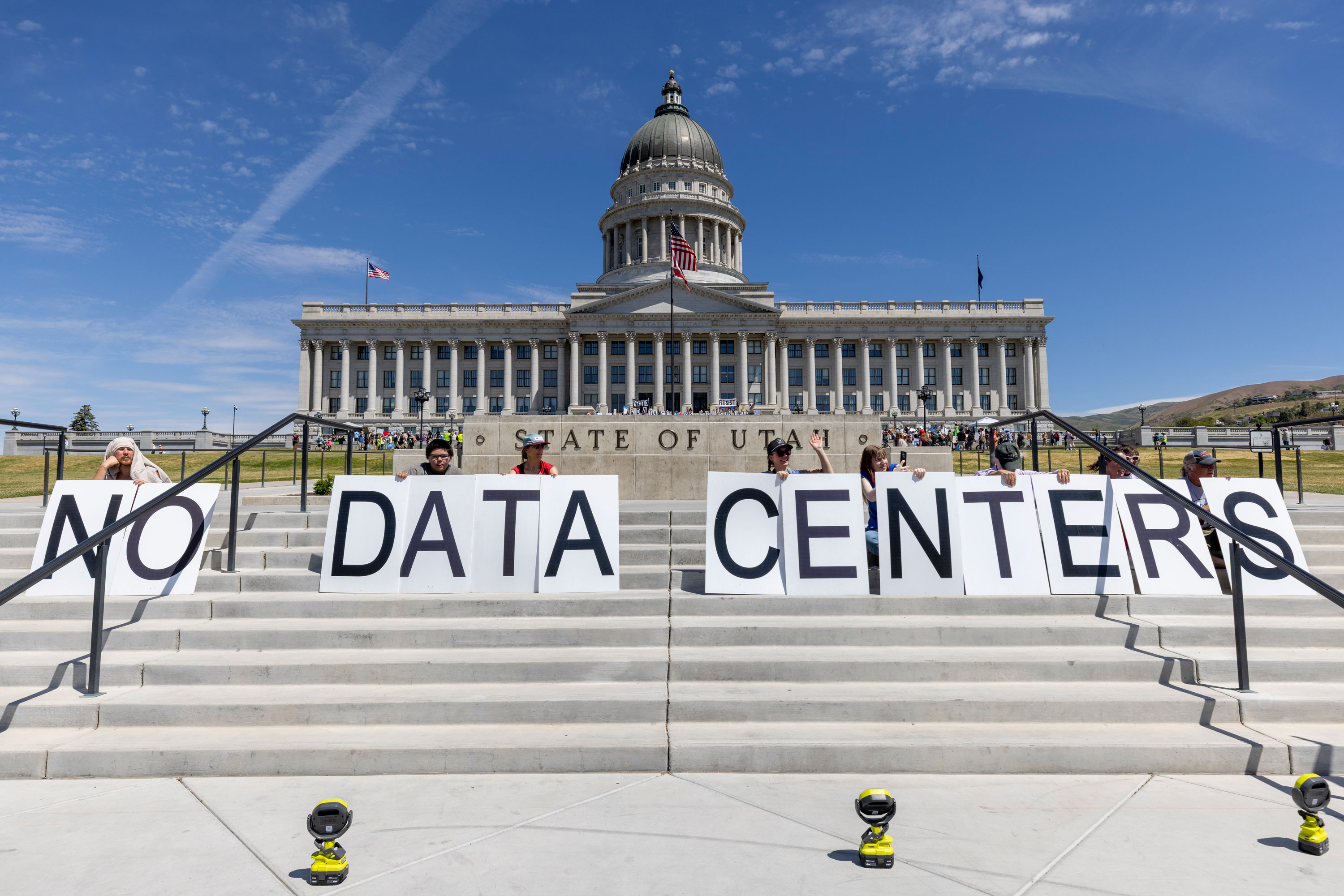
In the rapidly evolving digital landscape, data centers have become the silent engines powering everything from cloud computing and streaming services to the burgeoning field of artificial intelligence. However, this insatiable demand for processing power comes with a significant energy footprint. As these massive facilities proliferate, concerns are mounting about who should bear the cost of the electricity they consume and the necessary grid upgrades.
The U.S. House of Representatives has taken a significant step by passing the Ratepayer Protection Act, a bipartisan bill designed to ensure that data centers contribute to the costs associated with their energy consumption. But as this legislation heads to the Senate, a crucial question remains: will this move translate into tangible savings for American households, or will the complexities of energy markets and infrastructure development obscure any potential relief?
📑 Table of Contents
1. The Growing Appetite for Energy: Data Centers Explained
Data centers are the backbone of our digital lives, housing the servers, storage, and networking equipment that enable countless online services. Their physical infrastructure requires immense amounts of electricity not only to power the computing hardware but also to run sophisticated cooling systems that prevent overheating. As the demand for data processing, cloud storage, and AI applications escalates, so does the energy consumption of these facilities.
The sheer scale of modern data centers means their electricity needs can rival those of small cities. This concentrated demand places a considerable strain on local and regional power grids. The construction of new data centers often necessitates substantial investments in grid upgrades, including new transmission lines and substations, to handle the increased load. Furthermore, the energy required for new generation sources to meet this demand is a growing concern for environmental sustainability and energy security.
The Energy Consumption Conundrum
Estimates suggest that data centers already account for a significant percentage of global electricity consumption, and this figure is projected to rise dramatically with the widespread adoption of AI. This trend raises critical questions about the equitable distribution of costs associated with this energy demand.
2. The Ratepayer Protection Act: What It Aims to Do
The Ratepayer Protection Act, recently passed by the House with overwhelming bipartisan support, seeks to address the financial implications of data center energy consumption. Its core objective is to prevent existing electricity consumers, often referred to as ratepayers, from subsidizing the costs associated with the expansion of data centers. Proponents argue that data centers, as major industrial energy users, should be responsible for the expenses related to grid modernization and the procurement of new energy sources required to support their operations.
The bill's sponsors, like Republican Rep. Gabe Evans, have emphasized that the legislation is designed to shield American families from being left with the bill for these necessary infrastructure enhancements. The underlying principle is that the entities benefiting most directly from the power consumption – in this case, the operators and users of data centers – should bear the associated costs. This aims to create a more balanced energy cost structure, where industrial growth doesn't disproportionately burden residential and small commercial energy users.
Ensuring Fair Cost Allocation
By mandating that data centers contribute to the costs of grid upgrades and new energy generation, the Act intends to foster a fairer system. This could involve mechanisms such as direct charges, fees, or specific rate structures applied to large energy consumers like data centers.
3. The Unclear Impact: Will Your Bill Really Drop?
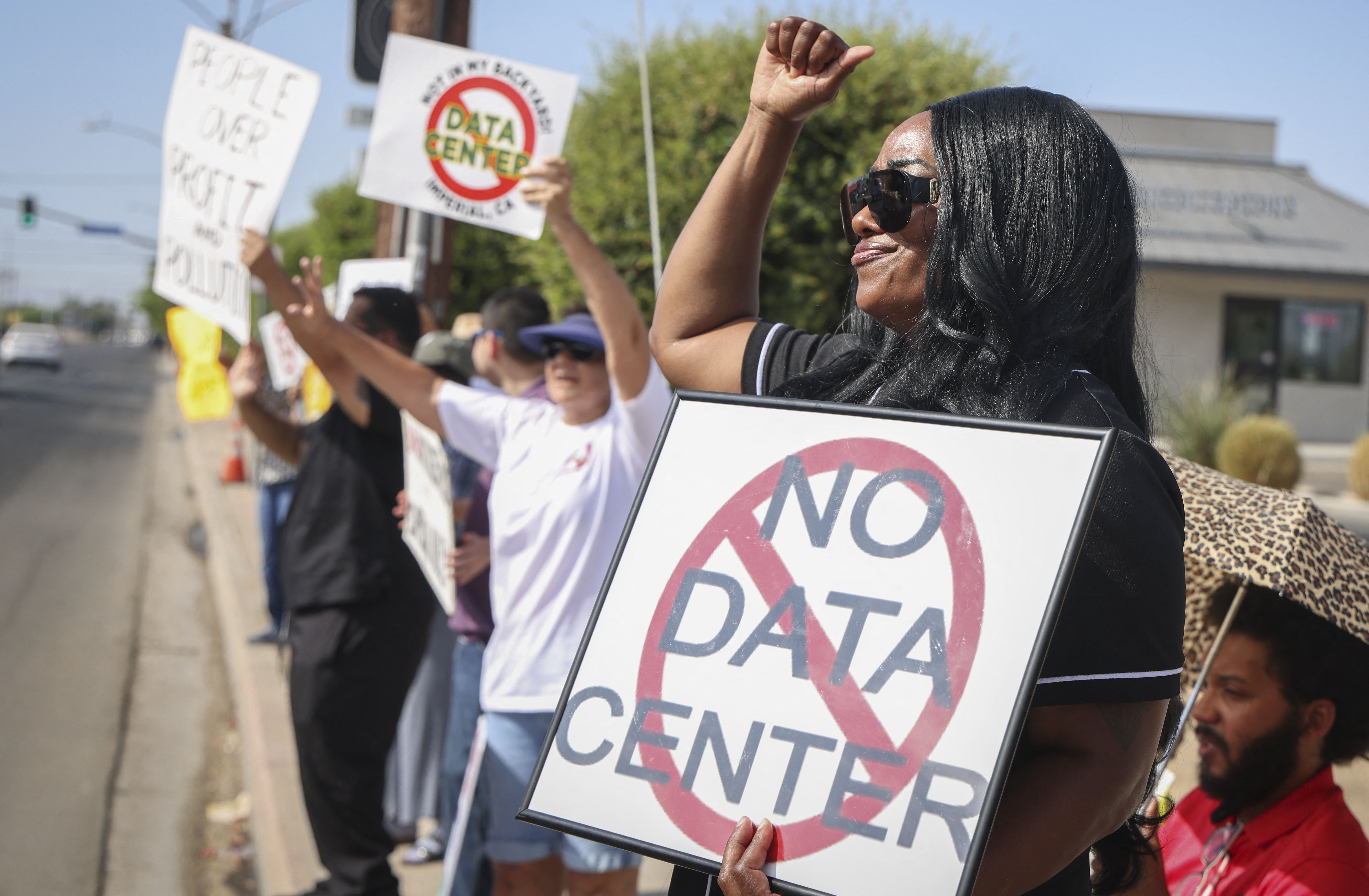
While the Ratepayer Protection Act aims to prevent energy bills from rising due to data center growth, the prospect of actual reductions for consumers remains uncertain. The bill's primary focus is on preventing cost shifts, rather than mandating direct bill reductions. The complex interplay of energy markets, regulatory frameworks, and utility pricing structures means that savings, if any, might not be immediate or easily quantifiable for individual households.
Several factors contribute to this uncertainty. Firstly, the legislation still needs to pass the Senate and be signed into law, and its final form could be subject to modifications. Secondly, even if enacted, the implementation details will be crucial. How utilities and regulators translate the Act's provisions into actual rate adjustments will determine the extent of any consumer benefit. It's possible that the costs recovered from data centers might simply offset rising operational expenses for utilities, rather than being passed on as direct savings to ratepayers.
Navigating the Economic Complexities
The ultimate impact on consumer bills will depend on how utilities manage the recovered costs. Will they be reinvested in grid stability, used to lower rates, or absorbed into general operating budgets? The answer is far from clear.
4. Grid Strain and Energy Generation Challenges
The rapid expansion of data centers presents a significant challenge to existing power grids. These facilities require reliable and substantial amounts of electricity, often demanding dedicated infrastructure and power supply arrangements. The strain on the grid is exacerbated by the need to manage peak loads and ensure stability, especially as more intermittent renewable energy sources are integrated.
Meeting the escalating energy demands of data centers also raises questions about the sources of new power generation. While there is a push towards renewable energy, the sheer scale of data center consumption may necessitate the development of additional generation capacity, potentially including fossil fuel-based plants, to ensure consistent supply. This has significant implications for environmental goals and the transition to a cleaner energy future. The debate often centers on whether data centers should be permitted to utilize or even drive the construction of new fossil fuel infrastructure, or if they should be compelled to invest in or procure renewable energy sources exclusively.
Balancing Demand and Sustainability
Ensuring that the growth of data centers aligns with broader energy and environmental objectives requires careful planning and investment. The challenge lies in expanding capacity without compromising grid reliability or environmental commitments.
5. The Future of Data Centers and Energy Policy
The passage of the Ratepayer Protection Act signals a growing recognition among policymakers of the significant energy implications of the digital economy. As data centers continue to expand, driven by advancements in AI and cloud computing, the need for sustainable and equitable energy policies will become even more critical. The current legislation is a step towards addressing the cost allocation issue, but it is likely just the beginning of a broader conversation about the role of data centers in our energy future.
Looking ahead, policymakers, utilities, and the tech industry will need to collaborate on innovative solutions. This could involve incentivizing the use of renewable energy for data centers, developing more energy-efficient computing technologies, and exploring advanced grid management techniques. The goal should be to foster technological innovation and economic growth while ensuring environmental responsibility and protecting consumers from undue cost burdens. The journey from the House to the Senate and potentially beyond will shape how these crucial issues are navigated.
Evolving Energy Landscapes
The ongoing evolution of technology and energy consumption patterns demands adaptive and forward-thinking policies. The Ratepayer Protection Act is a crucial marker in this evolving landscape, prompting further dialogue and action.
6. Additional Considerations for Ratepayers
Beyond the direct impact on electricity bills, the expansion of data centers raises other considerations for ratepayers. The demand for land and water resources, particularly for cooling systems, can create competition with other essential uses. Furthermore, the visual and noise impact of large data center facilities can affect local communities. While the Ratepayer Protection Act focuses on financial costs, these broader environmental and community impacts are also part of the ongoing discussion about the responsible development of data infrastructure.
The energy sector is in constant flux, with utilities striving to balance reliability, affordability, and sustainability. The influx of large industrial energy consumers like data centers adds another layer of complexity to these efforts. Ratepayers often look to regulatory bodies and legislative actions for assurance that their interests are being protected amidst these evolving demands. The success of the Ratepayer Protection Act, in terms of its ultimate impact on bills and grid stability, will be closely watched by consumers and industry stakeholders alike.
Community and Environmental Stewardship
Ensuring that data center growth benefits communities and the environment, not just the tech industry, requires comprehensive policy frameworks and vigilant oversight.
🔥 Stay informed on energy policy and technology trends impacting your home and wallet.
Conclusion
The Ratepayer Protection Act represents a significant legislative effort to ensure that the burgeoning demand for data center energy does not disproportionately burden American households. By aiming to make data centers contribute to the costs of grid upgrades and new power generation, the bill seeks a more equitable distribution of expenses.
However, the path from legislative intent to tangible consumer savings is complex and uncertain. The bill's journey through the Senate and its subsequent implementation will be critical in determining its true impact. As we continue to rely more heavily on digital infrastructure, finding sustainable and fair energy solutions for data centers remains a paramount challenge for policymakers and the energy sector alike.
❓ FAQ
What is the Ratepayer Protection Act?
It's a bipartisan bill passed by the U.S. House of Representatives aimed at ensuring data centers pay for the electricity and grid infrastructure they require, preventing cost shifts to residential ratepayers.
Why are data centers a concern for electricity costs?
Data centers consume vast amounts of electricity for computing and cooling, requiring significant grid upgrades and new energy generation, the costs of which could otherwise fall on existing electricity customers.
Will this bill lower my electricity bill?
The bill's primary goal is to prevent your bill from increasing due to data center growth. Direct bill reductions are uncertain and depend on how utilities implement the Act's provisions.
What are the main challenges in implementing this act?
Challenges include navigating complex energy markets, utility rate structures, the need for Senate approval, and ensuring effective implementation to achieve equitable cost recovery without unintended consequences.
How does AI impact data center energy demand?
The development and deployment of Artificial Intelligence significantly increase the computational demands on data centers, leading to a projected surge in their energy consumption.
Comments
Post a Comment