Breaking: Christa Pike Walking After Botched Execution Attempt 🚨 Breaking News Analysis 📸 Image Credit: yahoo.com By Azeem-USA · Thu Oct 08 2026 English (en-US) Christa Pike is reportedly "up and walking" in a hospital facility days after a failed attempt to execute her in Tennessee, according to a member of her legal team. This unprecedented development follows a botched lethal injection procedure that has once again cast a harsh spotlight on capital punishment in the United States. This analysis will delve into Pike's current physical condition, dissect the circumstances surrounding the failed execution, explore the immediate legal and ethical ramifications, and examine what this means for Tennessee's death penalty protocols moving forward. 📑 Table of Contents Pike's Condition Post-Execution Attempt The Botched Lethal Injection Legal and Ethical Questions Emerge Tennessee's Execution Procedures Under Scrutiny What ...

🚨 Breaking News Analysis

Christa Pike is reportedly "up and walking" in a hospital facility days after a failed attempt to execute her in Tennessee, according to a member of her legal team. This unprecedented development follows a botched lethal injection procedure that has once again cast a harsh spotlight on capital punishment in the United States.
This analysis will delve into Pike's current physical condition, dissect the circumstances surrounding the failed execution, explore the immediate legal and ethical ramifications, and examine what this means for Tennessee's death penalty protocols moving forward.
📑 Table of Contents
1. Pike's Condition Post-Execution Attempt
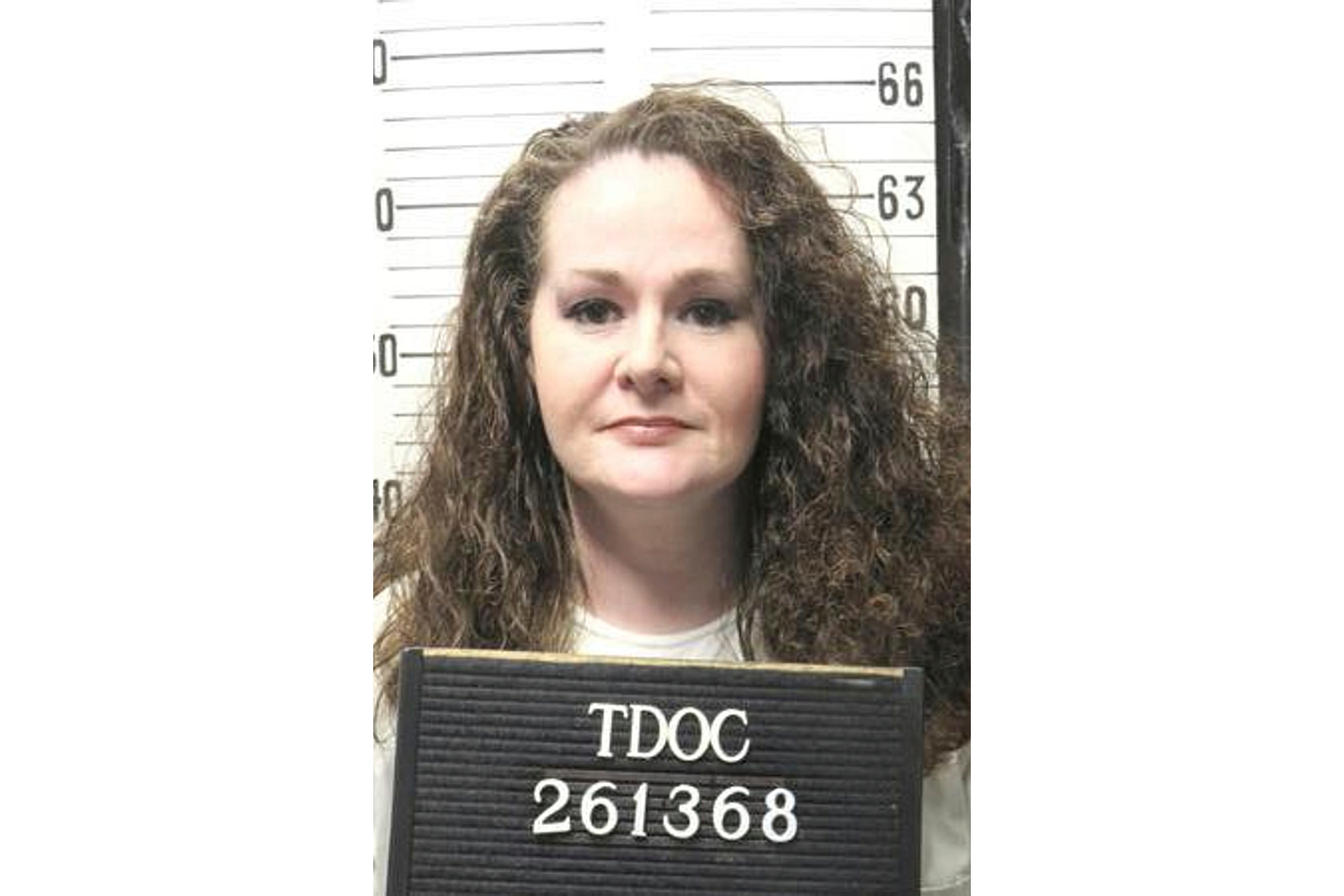
Christa Pike, the only woman on Tennessee's death row, is reported to be mobile again after surviving a lethal injection that did not result in her death last week. Lawyer Stephen Ferrell stated Thursday that Pike was observed walking within her hospital room, a sign of immediate physical recovery. However, Ferrell noted significant injuries to her arms, limiting their use.
The description provided to her legal team indicates that while Pike is physically able to walk, her upper body has sustained considerable trauma. The exact nature and extent of these injuries remain unclear, but they paint a picture of a harrowing ordeal. Her ability to move, even minimally, is a stark indicator of the immediate medical intervention she likely received following the failed procedure.
Medical Implications of a Failed Execution
The medical response to a failed execution is a critical, often opaque, part of the process. Reports suggest Pike is receiving care in a hospital, emphasizing the severe physical distress she must have endured. The injuries to her arms are particularly concerning, hinting at potential complications during the administration of the lethal injection cocktail or the struggle to establish IV access.
2. The Botched Lethal Injection
Details surrounding the specific failure of Pike's execution remain scarce, but the outcome is clear: the lethal injection protocol was not successfully carried out. This is not the first instance of a lethal injection going awry in the United States, but each occurrence reignites intense debate about the methods used and their humaneness.
Tennessee, like several other states, utilizes a specific drug protocol for executions. When these drugs fail to induce death as intended, it raises profound questions about the competency of the execution team, the quality of the drugs, and the inherent unpredictability of the process when applied to an individual's unique physiology. The fact that Pike survived suggests a critical breakdown in the procedure.
Witness Accounts and Official Statements
While Pike's lawyer has provided an update, official statements from the Tennessee Department of Correction or the Governor's office regarding the specifics of the failed execution and Pike's current condition have been limited. The lack of transparency fuels speculation and concern among death penalty abolitionists and those observing the case.
3. Legal and Ethical Questions Emerge
Pike's survival from a botched execution immediately triggers a complex web of legal and ethical challenges. The primary question is whether a second attempt at execution would be permissible under the Eighth Amendment's prohibition against cruel and unusual punishment. Legal experts suggest this is a highly contentious area.
The principle of 'double jeopardy' is generally not applicable to botched executions, meaning a state could theoretically attempt the execution again. However, the specific circumstances of this failure, particularly if it involved negligence or a fundamentally flawed protocol, could form the basis of legal challenges arguing that a second attempt would indeed constitute cruel and unusual punishment. The Eighth Amendment is interpreted to protect against punishments that are barbarous or shocking to the conscience.
The 'Cruel and Unusual' Debate Intensified
Survivors of failed executions often become focal points in the broader debate about the death penalty's morality and practicality. For Pike, her survival may galvanize further legal efforts to commute her sentence, arguing that the state has already subjected her to an inhumane ordeal. This situation forces a re-examination of whether any method of state-sanctioned killing can be truly humane or reliably administered.
4. Tennessee's Execution Procedures Under Scrutiny
This incident places Tennessee's lethal injection protocols under intense scrutiny. The state has faced previous challenges regarding its execution methods, including debates over drug secrecy and the availability of lethal injection drugs. A failed execution, especially one involving visible physical trauma to the condemned, is a significant setback for the state's capital punishment system.
Officials will likely face pressure to conduct a thorough investigation into why the execution failed. This investigation would need to address the training of the execution team, the integrity of the drugs used, and the specific steps in the protocol that may have malfunctioned. The transparency of this investigation will be crucial for public trust and legal proceedings.
Impact on Future Executions
If the investigation reveals systemic flaws, it could lead to a temporary halt or significant overhaul of Tennessee's execution procedures. The state may face injunctions preventing further executions until its protocols are deemed reliable and constitutional. The availability of lethal injection drugs has been a recurring issue nationwide, and Tennessee has previously explored alternative methods, such as electrocution, which also draw heavy criticism.
5. What Happens Next
The immediate future for Christa Pike involves continued medical observation and legal maneuvering. Her legal team will undoubtedly use this failed execution as a central argument in any further appeals or clemency requests. The focus will be on her well-being and the legal implications of the state's inability to carry out a lawful execution.
Beyond Pike's case, the incident serves as a potent catalyst for renewed calls to abolish the death penalty, particularly in states like Tennessee that continue to employ lethal injection. Opponents will highlight this as further evidence of the system's inherent barbarity and unreliability. The legal system, state officials, and the public will grapple with the profound questions raised by this near-fatal failure.
Monitoring Legal Challenges and State Response
Eyes will be on the courts to see how they interpret the Eighth Amendment in light of Pike's survival. Additionally, any official inquiry into the botched execution and its findings will be closely watched. The response from Tennessee's governor and the Department of Correction will shape the immediate trajectory of capital punishment in the state and potentially influence broader national discussions.
🔥 Follow Azeem USA for continuous updates on this developing story.
Conclusion
Christa Pike is reportedly walking and recovering in a hospital after a lethal injection attempt failed to end her life last week. This unprecedented event, marked by injuries to her arms, has ignited urgent questions about the reliability and constitutionality of Tennessee's execution protocols.
Moving forward, the legal battles surrounding Pike's sentence are expected to intensify, with her survival serving as a critical new argument. The state faces intense scrutiny to investigate the procedural failure, and the broader debate over capital punishment's future, particularly lethal injection, is set to be reignited with renewed fervor.
❓ FAQ
What happened to Christa Pike?
Christa Pike, an inmate on Tennessee's death row, survived a lethal injection attempt last week that reportedly failed to cause her death.
What is her current condition?
According to her lawyer, Christa Pike is "up and walking" in a hospital, though she has sustained significant injuries to her arms.
Why did the execution fail?
The specific reasons for the execution's failure have not been officially detailed, but it suggests a critical breakdown in Tennessee's lethal injection protocol.
Can Tennessee attempt the execution again?
Legally, a state may be able to attempt an execution again after a botched attempt, but it faces significant legal challenges under the Eighth Amendment's prohibition of cruel and unusual punishment.
What are the implications for the death penalty in Tennessee?
This incident places Tennessee's execution procedures under intense scrutiny and is likely to fuel further legal challenges and calls for abolition or reform of the state's capital punishment system.
Comments
Post a Comment