Senate Blocks Iran War Powers Vote Amidst Escalating Tensions 🚨 Breaking News Analysis 📸 Image Credit: yahoo.com By Azeem-USA · Thu Sep 24 2026 English (en-US) Senate Republicans on Thursday voted to block a Democratic-led effort to end US war powers against Iran, a decisive 49-50 vote that effectively prolongs American military involvement as the conflict marks over 200 days and has claimed the lives of 19 service members. This analysis delves into the immediate fallout of the Senate's decision, the historical context of the War Powers Resolution, the strategic implications for US foreign policy in the Middle East, and what this vote signifies for future legislative oversight of military action. 📑 Table of Contents The Vote: A Divided Senate Context: The War Powers Resolution's Role Why This Matters: Implications for US Policy Stakeholder Positions: Shifting Alliances Looking Ahead: The Path Forward FAQ #Azeem_USA #Breakingnews #Az...

🚨 Breaking News Analysis
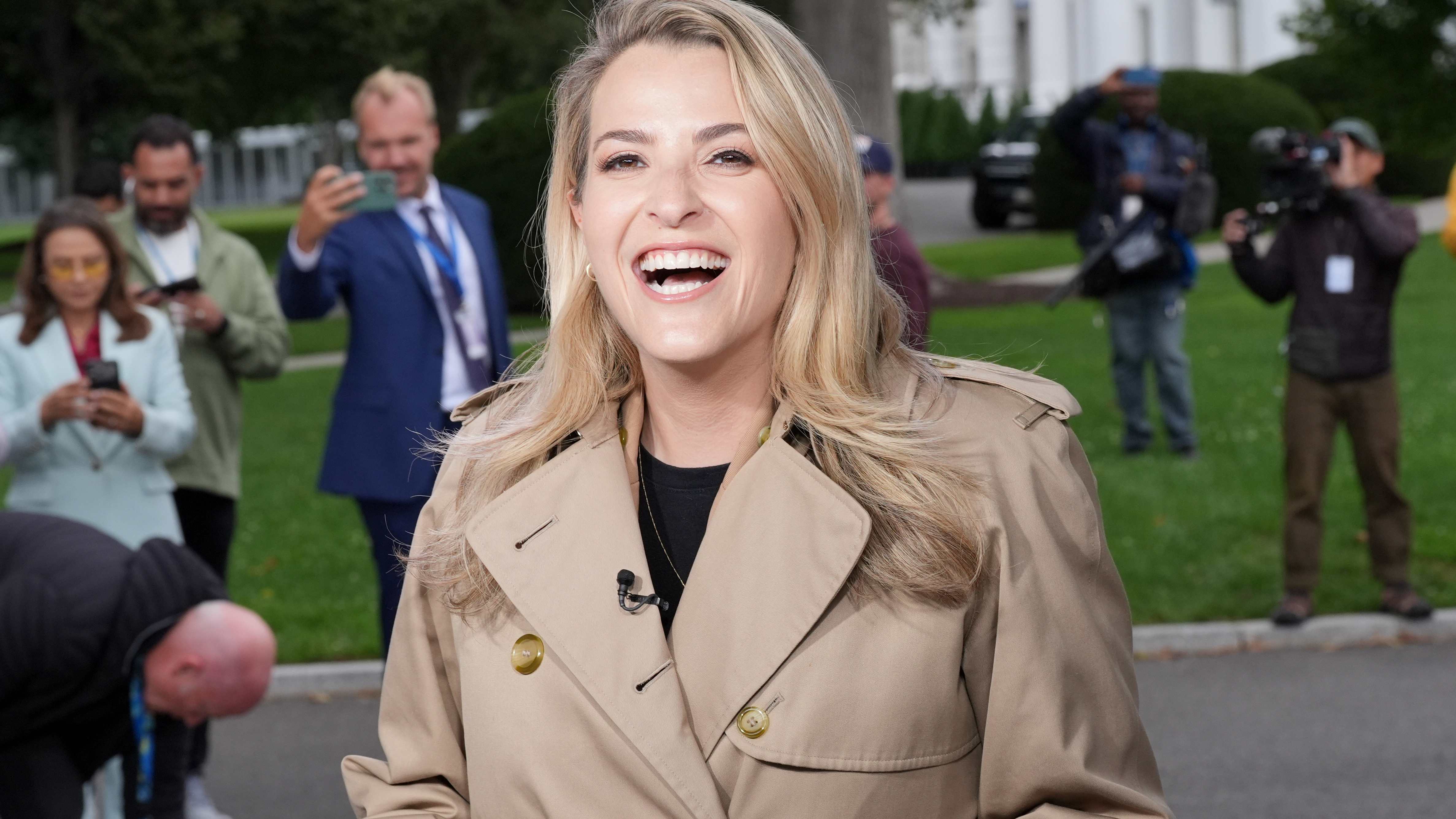
The White House has officially restored access to reporters from CNN, MSNOW, and Politico following a decisive federal court order challenging the administration's previous ban. This development follows a high-stakes standoff between the executive branch and the judiciary over the limits of presidential authority regarding media gatekeeping.
This analysis examines the legal foundations of the judge's ruling, the immediate reaction from affected outlets, and the broader implications for the First Amendment in the current American political climate.
📑 Table of Contents
1. The Judicial Mandate and Reinstatement
In a rapid turn of events, the White House moved to reinstate press credentials for several prominent media outlets that were previously barred from the grounds. This move came directly after a directive from a federal judge who found the administration's actions to be legally precarious. Despite the order, reporters indicated that they faced initial hurdles when attempting to regain entry, highlighting the continued friction between the executive staff and the press.
The reinstatement is currently set for a 14-day window, as specified by the court. This temporary measure serves as a significant victory for the organizations involved while the underlying legal battle continues to move through the system.
A Temporary Victory for Journalists
While the access is now restored, the limited nature of the order suggests that the administration may be seeking further avenues to challenge the decision or modify its access policies moving forward.
2. The Ruling of Judge Timothy Kelly
U.S. District Judge Timothy Kelly, an appointee by Donald Trump, issued a scathing order on Thursday. He explicitly commanded the White House to 'immediately return, reinstate, and restore' access to the news outlets. Kelly's reasoning centered on the fundamental principle of due process, noting that the administration had revoked press passes without sufficient legal justification or procedure.
The ruling suggests that the executive branch does not have a carte check to exclude specific journalists based on their coverage or perceived bias. By stating that the lawsuit is likely to succeed, Kelly has set a high bar for future attempts at media exclusion.
The Due Process Argument
The core of the judge's decision rests on the idea that the government cannot arbitrarily strip individuals of a privilege-like right without providing a fair process and an opportunity to respond.
3. Constitutional Implications for Press Freedom
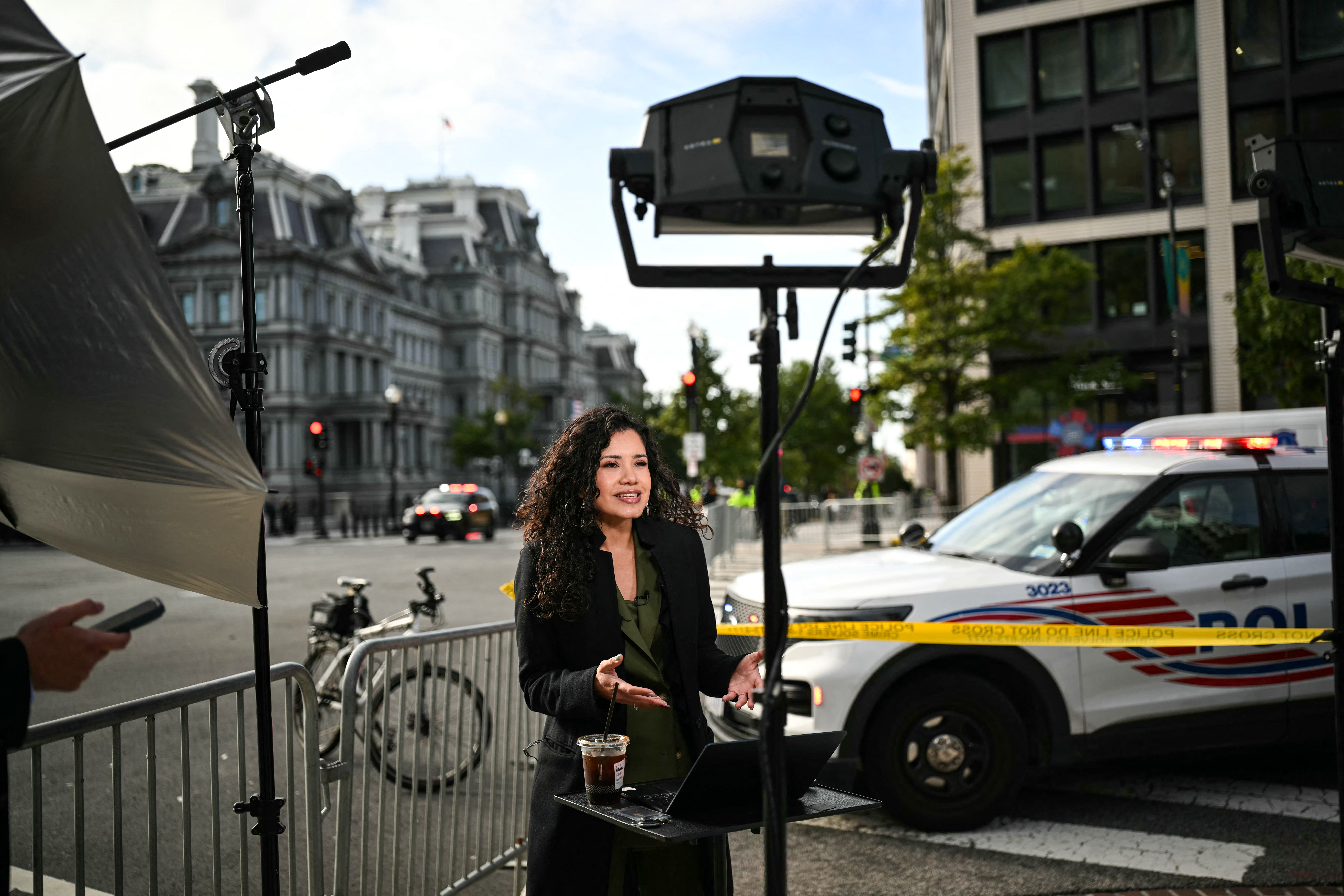
This case touches upon the very heart of the First Amendment. The right of the press to report on government proceedings is a cornerstone of American democracy. When an administration attempts to bar specific outlets, it raises questions about the 'chilling effect' on investigative journalism and the public's right to know what is happening inside halls of power.
Analysts suggest that if such bans were allowed to stand, it would set a dangerous precedent where future administrations could silence any voice they deemed unfavorable. The court's intervention serves as a reminder of the judicial role in checking overreach by the executive branch.
Setting a Legal Precedent
If this ruling holds up on appeal, it will provide a robust shield for media organizations facing similar attempts by political entities to blacklist specific reporters from official events.
4. Political Fallout and White House Friction
The reaction from the White House has been one of reluctant compliance. The administration has previously argued that it has the right to manage its own space and ensure an orderly environment for briefings. However, the court's intervention complicates that narrative significantly, framing the ban as a violation of legal standards rather than a simple administrative decision.
The tension between the Trump administration and major media outlets has reached a boiling point. This incident is not an isolated event but part of a broader pattern of adversarial rhetoric toward media organizations that are labeled 'fake' or 'unacceptable' in the eyes of the executive branch.
The Strategy of the Administration
Observers believe the administration may now look for more subtle criteria for access, perhaps focusing on behavioral rules or technical requirements that are perceived as less hostile than a direct blanket ban.
5. The Road Ahead for Press Credentials
The 14-day window granted by Judge Kelly is likely just the beginning. Legal experts are watching whether the White House will appeal the decision or if they will attempt to implement new policies that circumvent the spirit of the ruling while following its letter. The media outlets involved are clearly prepared for a long fight to ensure permanent access.
For the journalists involved, the goal is to ensure that no reporter ever finds themselves barred from government proceedings again due to their reporting style. The battle now moves to the appellate courts, where the boundaries of press access will be defined for years to come.
What to Watch Next
The next few weeks will be critical as we see how the White House manages the restored access and whether any further legal motions are filed to contest the court order.
🔥 Follow Azeem-USA for more updates as this legal battle develops.
Conclusion
The White House was forced to restore access to CNN, MSNOW, and Politico after a federal judge ruled the ban violated due process. While the access is currently restored for 14 days, the legal battle over press freedom and executive authority remains unresolved.
We must watch for whether the administration appeals the order or attempts to establish new barriers for media access in the future.
❓ FAQ
Why did the White House ban these media outlets?
The administration revoked their press passes, which a judge later ruled was done without proper due process.
Who ordered the White House to lift the ban?
U.S. District Judge Timothy Kelly, a Trump appointee, ordered the immediate reinstatement of their access.
How long is the restored access valid?
The court order specified access for a period of 14 days.
Does this mean the ban is permanently over?
No, the current order is a temporary measure while the broader legal case continues to proceed.
Which media outlets were affected?
The primary outlets mentioned are CNN, MSNOW, and Politico.
Comments
Post a Comment