5 Critical Takeaways from the Trump-Xi White House Summit 📸 Image Credit: yahoo.com By Azeem-USA · Thu Sep 24 2026 English (en-US) The world watched as US President Donald Trump welcomed Chinese President Xi Jinping to the White House for an elaborate state visit. This was not merely a diplomatic formality but a high-stakes chess match played out between the world's two most powerful economies. In this comprehensive analysis, we deconstruct the five critical takeaways from the summit, examining how these decisions will reshape global trade, technology, and international security. 📑 Table of Contents The Fragile Trade Truce Extension The Artificial Intelligence Arms Race Strategic Rivalry and Global Security Economic Stability vs. Market Volatility The Path Forward for Future Diplomacy FAQ #Donald Trump #Xi Jinping #Trade War #Artificial Intelligence #Geopolitics #White House Summit #Donald Trump #Xi Jinping #Trade War #Artificial Intellige...

🚨 Breaking News Analysis
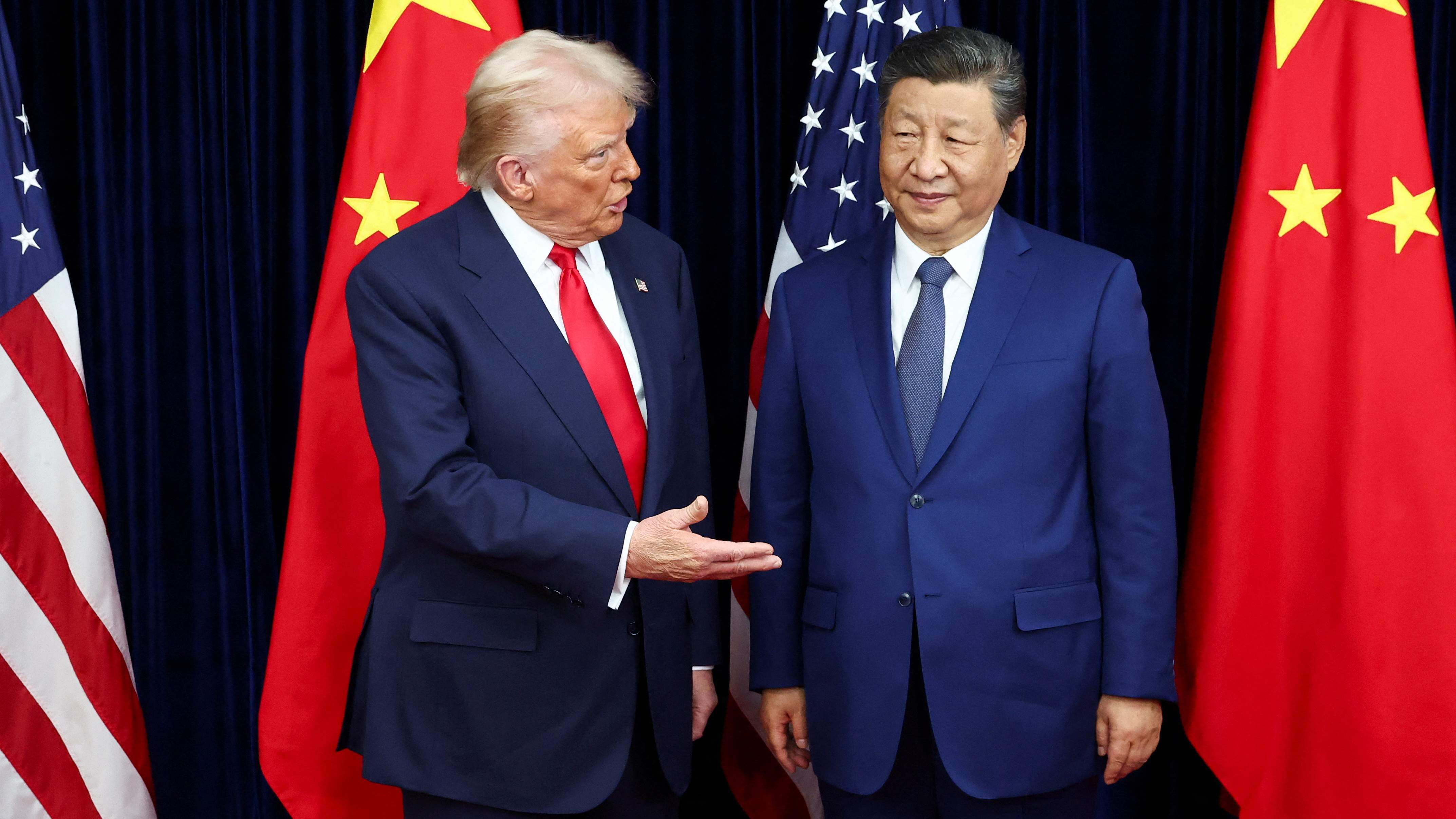
President Donald Trump hosted Chinese President Xi Jinping at the White House on Thursday, concluding high-stakes talks focused on trade, artificial intelligence, and the deepening strategic rivalry between the two global powers. The meeting, marked by an elaborate state visit, produced a critical, albeit short-term, extension of the trade truce, but underscored the significant challenges ahead.
This analysis delves into the immediate outcomes, the underlying strategic currents, and the broader implications of this pivotal diplomatic engagement, offering key takeaways for understanding the future of US-China relations.
📑 Table of Contents
1. Trade Truce Extended: A Temporary Respite?
The most immediate tangible outcome from the Trump-Xi summit is the two-month extension of the existing trade agreement, a decision announced by Treasury Secretary Scott Bessent. This extension provides a crucial, albeit brief, window for negotiators to bridge the widening gap on trade imbalances and market access issues. It averts an immediate escalation of tariffs, offering a temporary relief to global markets bracing for further trade friction.
However, the short duration of the extension signals that fundamental disagreements remain unresolved. The US has pushed for significant structural changes in China's economic practices, including intellectual property protection and state subsidies. China, meanwhile, views these demands as an attempt to contain its economic rise. The limited extension suggests a lack of substantial breakthroughs, pointing towards a continuation of the tit-for-tat tariff escalations if a comprehensive deal is not reached by the new deadline.
The Fine Print of the Extension
Details surrounding the specific concessions or new commitments made during the extension period are scarce. Analysts are closely scrutinizing whether this is merely a pause for more intense negotiations or a precursor to further trade wars. The US administration's stated goal remains a balanced trade relationship, but the path to achieving this through extended negotiations appears fraught with difficulty, given the deep-seated nature of the disputes.
2. AI and Technology: The New Frontline
Beyond trade, the summit spotlighted the escalating competition in artificial intelligence and advanced technologies. This sector has become a critical arena for US-China rivalry, with implications for national security, economic dominance, and future innovation. Discussions on AI at the White House signaled an acknowledgment of its strategic importance, but also highlighted the profound differences in approach and objectives.
The US has expressed concerns over China's rapid advancements in AI, particularly regarding its potential military applications and data privacy standards. Discussions likely touched upon issues of technology transfer, cybersecurity, and the global governance of AI. While cooperation might be explored in specific, de-politicized areas, the broader trend is one of increasing technological decoupling, driven by national security imperatives and a desire to maintain a competitive edge.
The Race for AI Supremacy
The drive for AI supremacy is intrinsically linked to economic prosperity and global influence. Both nations are investing heavily in AI research and development. The summit's focus on this area underscores the administration's recognition that future geopolitical power will be heavily influenced by technological leadership. The challenge lies in managing this competition to prevent it from spiraling into a full-blown technological cold war.
3. Strategic Rivalry: Deeper Than Trade

The summit served as a stark reminder that the US-China relationship extends far beyond economic disputes. The growing strategic rivalry, encompassing geopolitical influence, regional security, and ideological differences, was a central, albeit implicit, theme. The elaborate state visit, while a diplomatic formality, could not mask the fundamental tensions shaping this critical bilateral relationship.
Areas such as China's assertiveness in the South China Sea, its growing military modernization, and its Belt and Road Initiative were implicitly or explicitly part of the broader strategic calculus. The US administration's approach has been characterized by a recognition of China as a strategic competitor, seeking to counter its influence while maintaining lines of communication. This summit provided a platform for direct engagement on these high-level strategic issues, even if overt agreements were unlikely.
Managing Competition and Conflict
The paramount challenge for both leaders is to manage this intense rivalry without descending into direct conflict. The discussions likely revolved around establishing guardrails and communication channels to prevent misunderstandings from escalating. The concept of 'managed competition' is being tested, with both sides seeking to advance their interests while avoiding catastrophic confrontation. The success of such a strategy hinges on consistent communication and a mutual understanding of red lines.
4. Domestic Implications and Global Signals
The outcomes of the Trump-Xi summit carry significant domestic political weight for both leaders. For President Trump, securing any form of trade progress, even a temporary one, can be framed as a victory to supporters who have prioritized a tougher stance on China. It allows him to project strength and a commitment to renegotiating trade terms.
For President Xi, the summit offers an opportunity to project an image of China as a respected global power, engaging directly with the US president on equal footing. The extension of the trade truce could also provide domestic economic stability, crucial for maintaining social order and bolstering his leadership credentials. Internationally, the summit sends signals about the trajectory of global trade governance and the evolving balance of power.
Allies Watch Closely
Global allies and international markets are closely monitoring the developments. The extended trade truce, while welcome, injects further uncertainty into global supply chains and investment decisions. Allies of the US are keen to understand the extent of US commitment to multilateralism versus bilateral deal-making, especially concerning trade and technology standards. The summit's undertones of rivalry could also influence regional alliances and security dynamics, particularly in Asia.
5. What Happens Next: Uncertainty Ahead
The immediate future hinges on the next two months. Negotiators will be under intense pressure to translate the temporary truce into a more durable agreement. Failure to do so will likely result in renewed tariff escalations, further straining US-China relations and impacting the global economy. The focus will be on whether substantive progress can be made on the core issues that have divided the two economic giants.
Beyond trade, the broader strategic competition is set to continue unabated. The summit has clarified the stakes in the technological race and the geopolitical landscape. Both nations will likely continue to bolster their respective capabilities and alliances. The effectiveness of the communication channels established or reaffirmed during the visit will be crucial in navigating potential flashpoints.
Key Watchpoints for the Coming Weeks
Investors, policymakers, and the public should watch for any signs of flexibility or hardening positions from both sides in the coming weeks. Any further diplomatic engagements, statements from key officials, or shifts in trade policy will be critical indicators. The world is watching to see if this extended truce is a genuine step towards de-escalation or merely a brief pause before a more intense phase of economic and strategic confrontation.
🔥 Follow Azeem USA for ongoing analysis as this critical situation develops.
Conclusion
The White House summit between President Trump and President Xi Jinping concluded with a critical two-month extension of the trade truce, offering a temporary reprieve from escalating tariffs. However, the meeting also underscored the deep and widening strategic rivalry between the United States and China, particularly in the critical domain of artificial intelligence and advanced technologies.
The coming weeks will be decisive. The focus shifts to whether negotiators can bridge fundamental divides on trade and economic practices. Simultaneously, the underlying strategic competition will continue to shape global dynamics, demanding careful management to avoid further escalation. The world remains poised, awaiting the next moves in this complex geopolitical chess match.
❓ FAQ
What was the main outcome of the Trump-Xi summit?
The primary outcome was a two-month extension of the existing trade truce, averting immediate tariff hikes.
Were there any major breakthroughs on trade?
No major breakthroughs were announced; the extension suggests that fundamental trade disputes remain unresolved.
What role did artificial intelligence play in the talks?
Artificial intelligence was a key focus, highlighting the growing technological competition and strategic rivalry between the US and China.
How does this summit affect the broader US-China relationship?
It reinforces the narrative of a deepening strategic rivalry that extends beyond trade, encompassing technology, security, and geopolitical influence.
What should we watch for next?
Key watchpoints include the progress of trade negotiations during the extension period and any further developments in strategic competition and technological rivalry.
Comments
Post a Comment