Breaking: Trump White House Plagued by Power Struggles Amidst Midterm Fears 🚨 Breaking News Analysis 📸 Image Credit: yahoo.com By Azeem-USA · Fri Oct 16 2026 English (en-US) White House aides are reportedly engaging in increasingly open power struggles, a stark departure from previous efforts to maintain a facade of unity. This intensifying infighting comes as the administration grapples with the looming threat of significant midterm election losses, signaling deep-seated anxieties about the future and President Trump's second term. This analysis delves into the reported shifts in internal dynamics, examines the catalysts behind this power scramble, and assesses the potential ramifications for the administration's agenda and stability as critical elections approach. 📑 Table of Contents The Shifting Sands of Power Why the Urgency? The Midterm Shadow Echoes of the First Term Stakeholder Positions and Implications What Happens Next: Navi...

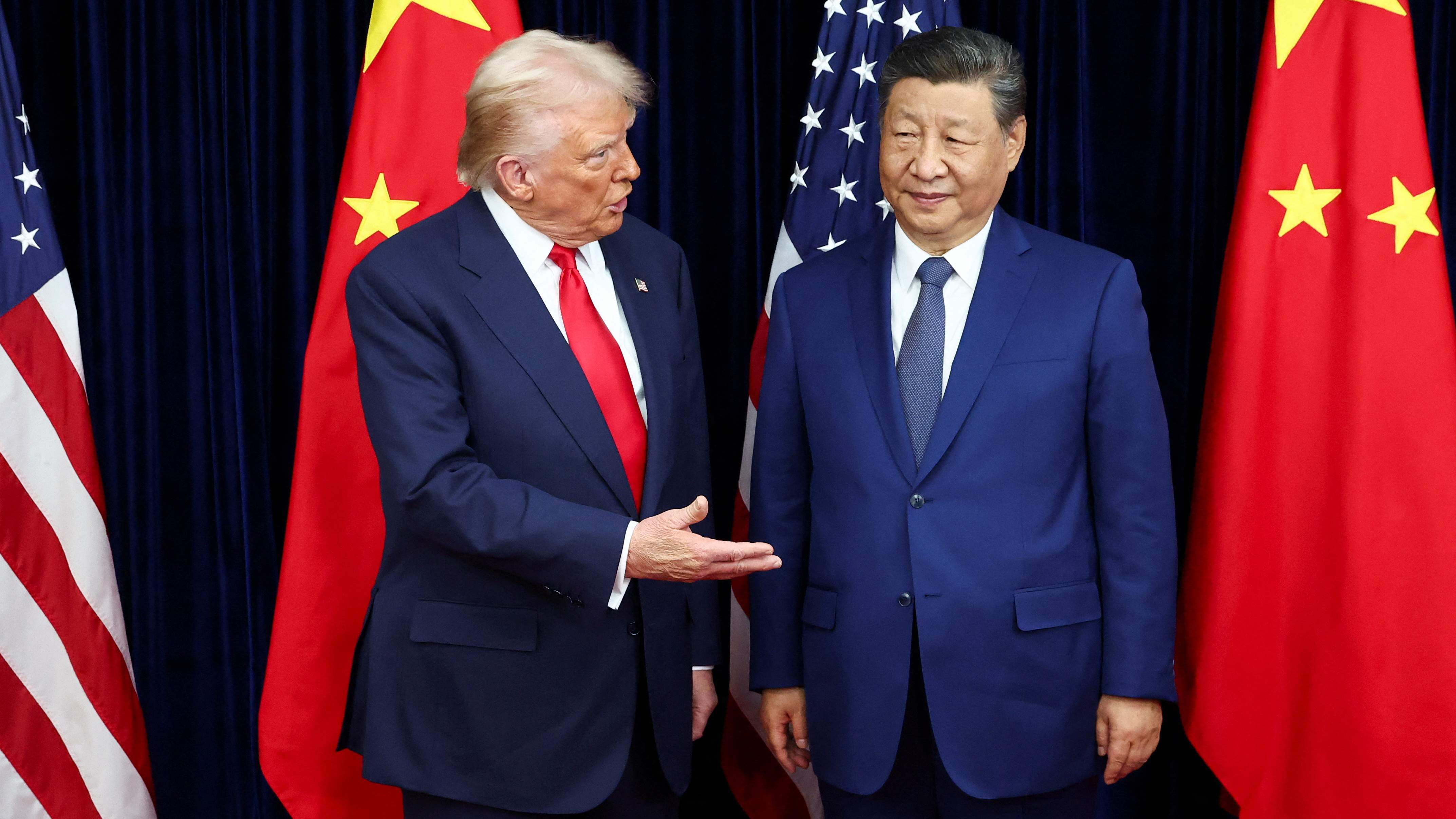
The world watched as US President Donald Trump welcomed Chinese President Xi Jinping to the White House for an elaborate state visit. This was not merely a diplomatic formality but a high-stakes chess match played out between the world's two most powerful economies.
In this comprehensive analysis, we deconstruct the five critical takeaways from the summit, examining how these decisions will reshape global trade, technology, and international security.
📑 Table of Contents
1. The Fragile Trade Truce Extension
One of the most immediate outcomes of the summit was the extension of the trade truce. While many were hoping for a comprehensive peace treaty, the reality is more nuanced. The US and China have agreed to pause the escalation of tariff barriers, but the underlying tensions regarding market access remain deeply unresolved.
US Treasury Secretary Scott Bessent confirmed that both sides agreed to extend the existing trade agreement by just two months. This short window provides a breathing room for global markets but also signals that both nations are prepared to walk away if negotiations stall again.
The Two-Month Window
The decision to grant a short extension suggests a tactical pause rather than a strategic shift. It allows the Trump administration to maintain leverage without committing to long-term concessions to Chinese manufacturing.
2. The Artificial Intelligence Arms Race
Beyond physical goods, the summit focused on the frontier of artificial intelligence. As AI becomes the backbone of future industrial productivity, the US and China are locked in a race for dominance. The talks highlighted the growing concern over how AI technology will influence global innovation.
Both leaders acknowledged that AI is no longer just about software; it is about national security and economic survival. The US remains focused on restricting high-end chip exports, while China seeks to expand its domestic capabilities to bypass sanctions.
Technological Sovereignty
The summit underscored that the era of global tech standards is ending. Each nation is now racing to ensure they set the rules for the next generation of computing.
3. Strategic Rivalry and Global Security

The atmosphere at the White House was underscored by the undeniable strategic rivalry between the two superpowers. Despite the hospitality of the state visit, the core of the discussion revolved around influence in the Indo-Pacific region. This rivalry is the defining feature of modern geopolitics.
President Trump emphasized the need to protect US interests while maintaining a functional relationship with Beijing. Meanwhile, President Xi Jinping emphasized China's right to development and its desire to resist what it perceives as unfair containment policies.
Managing Conflict Escalation
While the rivalry is fierce, the summit served as a crucial channel for communication to prevent diplomatic misunderstandings from spiraling into direct military conflict.
4. Economic Stability vs. Market Volatility
Global markets reacted to the summit with a mix of relief and skepticism. The extension of the trade truce provided a temporary boost to stocks reliant on international trade, but the short-term nature of the agreement keeps investors on edge.
Economists note that Treasury Secretary Bessent's role is vital in maintaining this stability during this period. However, the fundamental structural differences between the US market economy and the Chinese state model mean that volatility remains a constant threat.
The Cost of Disagreement
Businesses must prepare for a scenario where the trade truce expires without a permanent breakthrough, necessitating further diversification of supply chains away from China.
5. The Path Forward for Future Diplomacy
As we look forward, the summit makes clear that the US-China relationship has entered a phase of 'managed competition.' The goal for the Trump administration is not necessarily to eliminate the rivalry but to ensure that it does not result in global economic collapse.
The next two months will be pivotal. If the two nations cannot move toward a more robust trade framework, we may see a return to aggressive tariff-warfare tactics that would fundamentally alter the trajectory of the global middle class.
Defining the New Normal
Diplomacy in this era is defined by clear lines in the sand, where those lines represent technological and economic boundaries.
🔥 Subscribe to Azeem USA for more deep dives into global geopolitical and economic trends.
Conclusion
The Trump-Xi summit was a masterclass in high-stakes diplomacy. While the two-month trade truce offers a temporary reprieve, the core conflicts regarding AI and strategic dominance are far from over.
The world now watches to see if this brief window of cooperation leads to stability or merely a pause before the next confrontation.
❓ FAQ
How long was the trade truce extended for?
The trade truce was extended for a period of two months.
What was the main focus of the summit?
The primary focuses were trade agreements, artificial intelligence, and the growing strategic rivalry.
Who is the US Treasury Secretary during these talks?
Scott Bessent serves as the US Treasury Secretary.
Is a permanent trade deal in place?
No, only a short-term extension of the existing truce was secured.
How does AI affect the summit?
AI is viewed as a critical area of national security and economic competition between both nations.
Comments
Post a Comment