Trump Banning CNN and Media: The Future of US Press Freedom Explained 📸 Image Credit: yahoo.com By Azeem-USA · Fri Sep 18 2026 English (en-US) In a move that has sent shockwaves through the American political landscape, President Donald Trump has announced a ban on CNN, MSNBC, and Politico from the White House. This decision, cited as unfavorable coverage, marks a significant escalation in the volatile relationship between the executive branch and mainstream media outlets. In this comprehensive analysis, we explore the legal ramifications of this media ban, the constitutional precedents involved, and what this shift means for the future of press freedom in the United States. 📑 Table of Contents The Announcement: A Shift in Media Relations Constitutional Friction and the First Amendment Historical Context of Trump and the Press The Impact on Journalism and Transparency Future Outlook: Legal Battles and Democracy FAQ #Donald Trump #First Amendme...
🚨 Breaking News Analysis
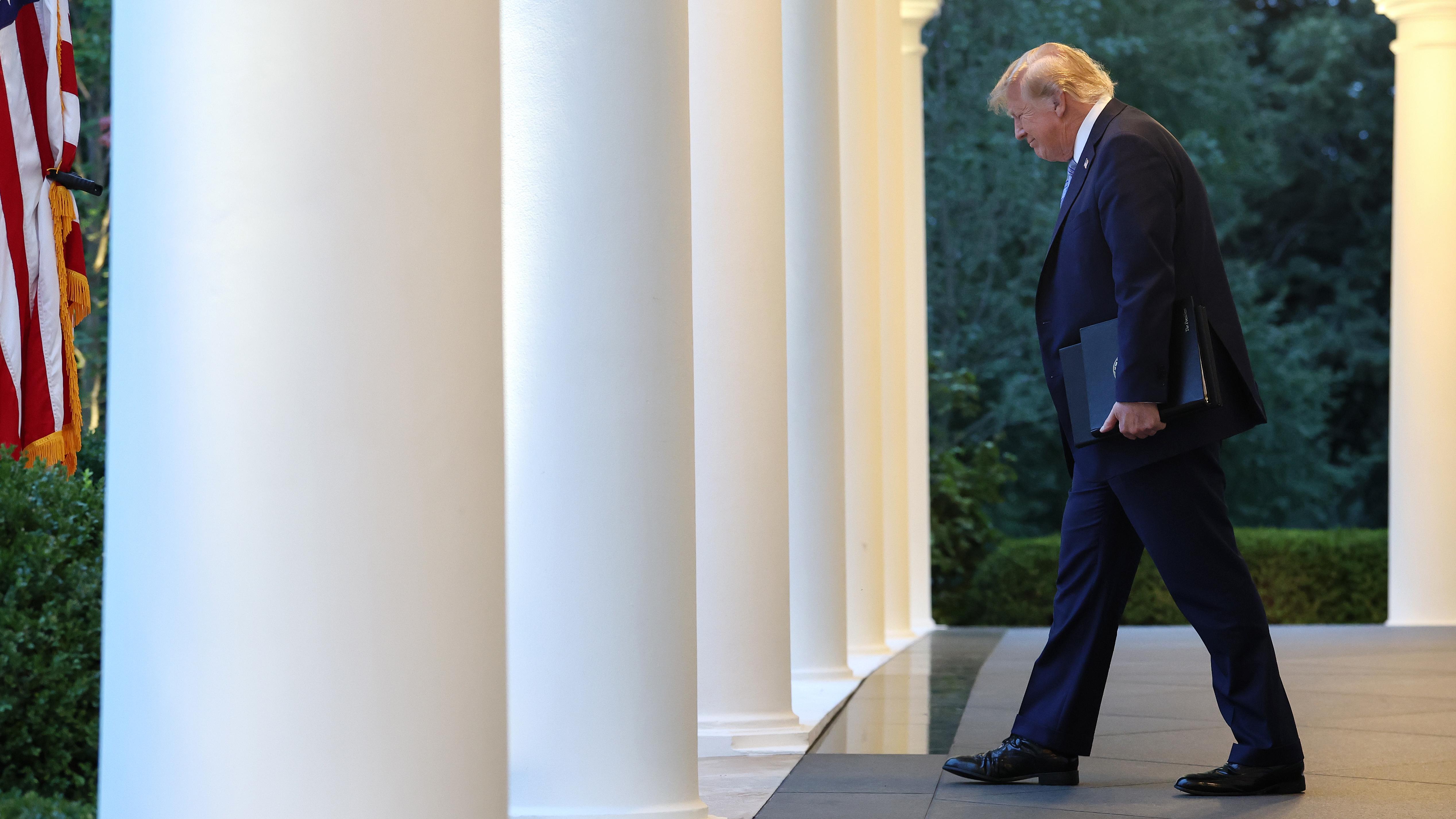
President Donald Trump announced Friday he is revoking the White House press credentials for CNN, MSNBC, and Politico, effective immediately. This sweeping ban targets three prominent news organizations whose coverage the President has frequently criticized as unfavorable, marking a dramatic escalation in his administration's ongoing conflict with the press and raising immediate questions about First Amendment protections.
This analysis will dissect the immediate events, explore the historical context of the Trump administration's media relations, examine the legal and constitutional implications, and forecast potential future developments and stakeholder reactions.
📑 Table of Contents
1. The Ban: What Just Happened
In a move that sent shockwaves through Washington and the media landscape, President Trump declared Friday that CNN, MSNBC, and Politico would no longer be granted access to White House press briefings and events. The President cited what he termed unfair and inaccurate reporting as the primary justification for the decision. This action effectively bars reporters from these organizations from directly covering the Executive Branch from its most central location.
The announcement came after a period of particularly intense scrutiny for the administration. While specific reports that triggered the ban were not detailed in the initial announcement, Trump has a well-documented history of targeting news outlets he perceives as hostile. This latest action represents a physical exclusion from a space traditionally open, albeit with restrictions, to a wide array of journalists representing diverse perspectives.
Scope of the Ban
The immediate impact is the exclusion of reporters from these specific organizations. However, the administration's language suggests this may not be an isolated incident, hinting at potential further actions against other media outlets deemed to be providing unfavorable coverage.
2. Why This Ban Matters Now
This ban is significant because it represents a direct, physical obstruction of journalistic access to the seat of American power. Unlike past instances of verbal criticism or social media attacks, this is a tangible act of exclusion. It signals a willingness by the Trump administration to use its authority to control access and potentially shape the narrative by limiting the voices that can directly question and report from within the White House.
The timing is also critical. Coming amidst other significant political developments, the ban underscores a persistent theme of the Trump presidency: a combative relationship with established media institutions. By targeting organizations that often provide critical coverage, the administration appears to be making a statement about its tolerance for dissent and its preferred methods of communication, which often favor direct engagement with supporters over traditional press avenues.
Undermining Transparency
Such bans inherently reduce transparency. When journalists are barred from asking questions in real-time or observing events firsthand, the public's ability to receive unfiltered information is diminished. This creates an environment where the administration can more easily control its message, potentially to the detriment of informed public discourse.
3. Historical Context: A Pattern of Conflict

President Trump's animosity towards certain media outlets is not new. Throughout his campaign and presidency, he has consistently labeled critical news reports as "fake news" and "enemies of the people." This rhetoric has often been accompanied by personal attacks on individual journalists and news organizations across various platforms, including Twitter and during public rallies.
This latest move is a logical, albeit extreme, extension of that established pattern. The administration has previously engaged in limited access decisions, such as revoking the credentials of specific reporters for brief periods or limiting the pool of journalists allowed at certain events. However, a broad-based ban on major, established news organizations like CNN, MSNBC, and Politico represents a significant escalation, moving beyond individual grievances to a systemic challenge to media access.
Legal and Political Precedents
While presidents have historically had the authority to manage press access to the White House, outright bans on established news organizations based on their coverage have been rare and often legally challenged. The administration's actions are likely to be scrutinized against a backdrop of legal precedents concerning freedom of the press.
4. Constitutional Questions and First Amendment Concerns
The most immediate and pressing concern surrounding this ban is its potential conflict with the First Amendment of the U.S. Constitution, which guarantees freedom of the press. While the government can impose reasonable, viewpoint-neutral restrictions on access to certain events or facilities, outright bans based on the content of reporting are constitutionally suspect.
Legal experts widely anticipate that such a ban would face significant legal challenges. The core argument would likely be that barring news organizations from covering the White House based on their critical reporting constitutes viewpoint discrimination, which is prohibited under First Amendment jurisprudence. The ability of the administration to justify the ban on grounds other than the content of the reporting—such as disruption of proceedings, which has not been cited here—will be crucial.
The Role of the Judiciary
Should these bans be challenged in court, the judiciary would be tasked with balancing the government's interest in managing access against the fundamental right to a free press. Past court rulings have generally favored protecting journalistic access, especially when it pertains to covering the activities of the executive branch.
5. What Happens Next: Implications and Reactions
The immediate aftermath will likely involve intense public debate, condemnation from press freedom organizations, and the anticipated filing of legal challenges. Media outlets, even those not directly banned, may face increased pressure or uncertainty regarding their own access. The White House Correspondents' Association (WHCA) is expected to be a key player in responding to this development, advocating for continued access for all members of the press corps.
Beyond the legal and journalistic spheres, this ban could have broader implications for public trust and political discourse. It further polarizes the relationship between the administration and segments of the public that rely on these news organizations for information. Analysts suggest this move could embolden other government entities to restrict press access, potentially leading to a chilling effect on investigative journalism and public accountability.
Potential for Escalation
The threat of further bans looms large. The administration's rhetoric indicates that this could be the first step in a broader strategy to isolate and punish news organizations deemed adversaries. Observers will be closely watching for any further actions or statements that could clarify the administration's long-term intentions regarding press access and engagement.
🔥 Follow Azeem USA for ongoing analysis as this developing story unfolds.
Conclusion
President Trump's decision to ban CNN, MSNBC, and Politico from the White House marks a significant and contentious moment in his administration's relationship with the press. Citing unfavorable coverage, the ban raises immediate concerns about transparency and First Amendment protections.
The coming days and weeks will be critical to observe the legal challenges that are sure to arise, the response from journalistic bodies, and whether this action signals a permanent shift in how the White House engages—or disengages—with the media. The precedent set by this ban could have lasting implications for the role of a free press in American democracy.
❓ FAQ
Which news organizations have been banned from the White House?
CNN, MSNBC, and Politico have been banned from White House press briefings and events.
What reason did the White House give for the ban?
President Trump cited unfavorable and inaccurate coverage from these organizations as the reason for the ban.
Does this ban violate the First Amendment?
Legal experts suggest the ban raises serious First Amendment concerns, as barring news organizations based on their coverage could be seen as viewpoint discrimination.
Has this happened before?
While access restrictions have occurred, a broad ban on major news organizations like this is a significant escalation and rare in modern U.S. history.
What is likely to happen next?
Legal challenges are expected, press freedom organizations will likely condemn the move, and there is concern about potential further bans.
Comments
Post a Comment