Breaking: Federal Agents Search Rep. Ilhan Omar's Home Amid Criminal Probe 🚨 Breaking News Analysis 📸 Image Credit: yahoo.com By Azeem-USA · Mon Oct 12 2026 English (en-US) Federal agents executed a search warrant at the Minnesota home of U.S. Rep. Ilhan Omar on Monday morning, marking a significant escalation in an ongoing criminal investigation. The probe, being conducted by Homeland Security Investigations (HSI), has sent immediate shockwaves through Washington and her home state. This analysis will delve into the known facts surrounding the search, explore the potential scope of the criminal inquiry, examine the political context and implications for Representative Omar and the Democratic Party, and assess what developments might follow in this rapidly unfolding situation. 📑 Table of Contents The Search Unfolds What We Know About the Investigation Political Ramifications and Context Stakeholder Reactions and Silence Looking Ahead: Wha...

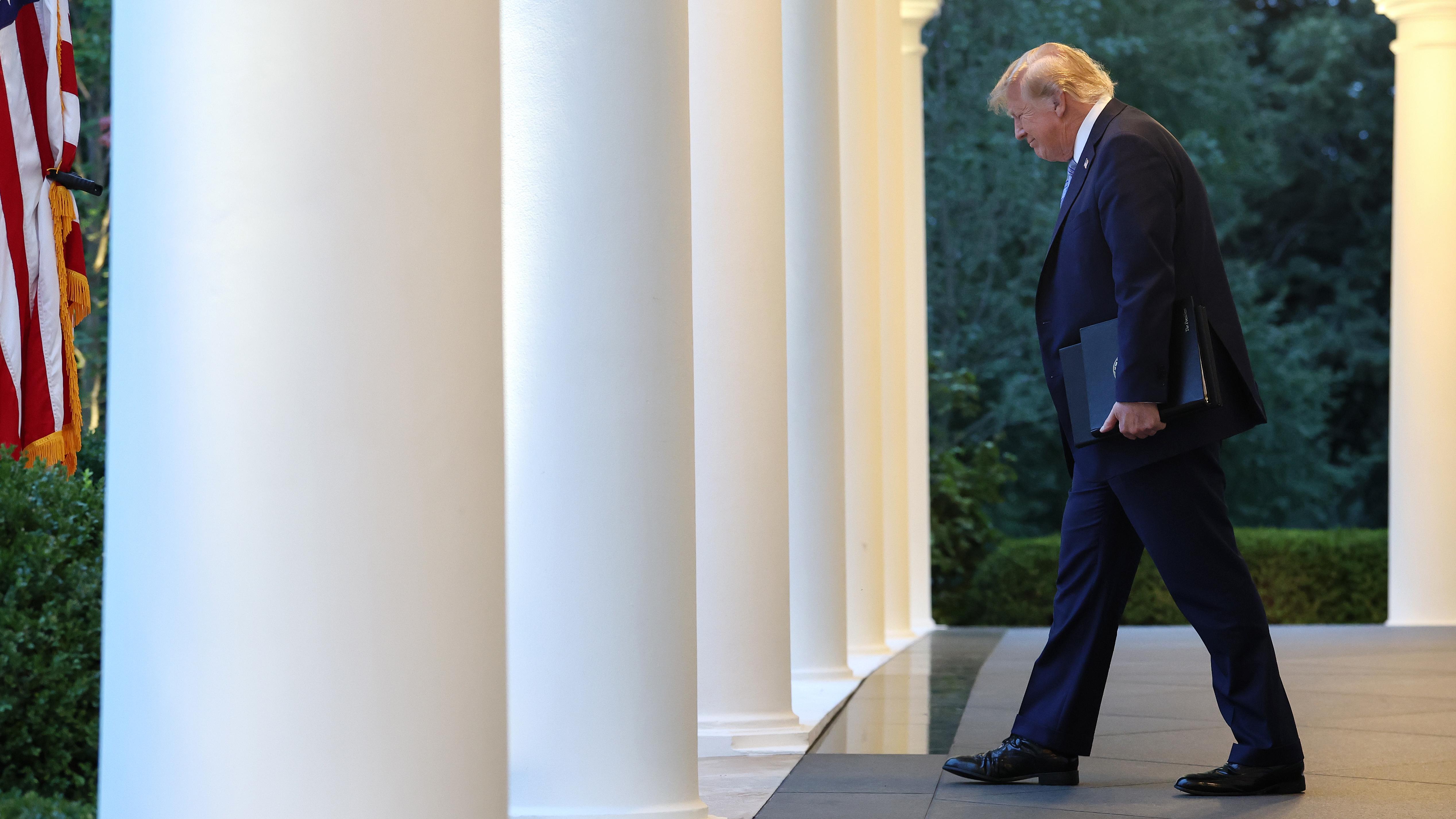
In a move that has sent shockwaves through the American political landscape, President Donald Trump has announced a ban on CNN, MSNBC, and Politico from the White House. This decision, cited as unfavorable coverage, marks a significant escalation in the volatile relationship between the executive branch and mainstream media outlets.
In this comprehensive analysis, we explore the legal ramifications of this media ban, the constitutional precedents involved, and what this shift means for the future of press freedom in the United States.
📑 Table of Contents
1. The Announcement: A Shift in Media Relations
President Donald Trump officially declared his intention to exclude CNN, MSNBC, and Politico from White House briefings and events. The primary justification provided by the administration centers on perceived bias and reporting that the President claims casts him in an unfairly negative light. This move is not merely an administrative adjustment but a fundamental shift in how the government interacts with the fourth estate.
The administration has signaled that more media prohibitions could follow if other outlets continue to provide coverage deemed unfavorable. By targeting these specific organizations, the White House is setting a precedent that suggests access to the seat of power is conditional upon the tone and content of news reporting.
The Scope of the Ban
The entities targeted—CNN, MSNBC, and Politico—represent some of the most influential voices in political discourse. Their exclusion could create a significant gap in information available to the public, potentially leading to a more fragmented media environment.
2. Constitutional Friction and the First Amendment
The core of the controversy lies in the First Amendment, which protects the freedom of the press. Legal experts are already debating whether the White House has the right to choose who is allowed to attend briefings based on their editorial stance. While the government generally has some discretion over its own property, the systematic exclusion of journalists based on content is often viewed as a constitutional violation.
Critics argue that the press serves a vital watchdog role in a democracy. If the government can selectively silence outlets that are critical, it threatens the fundamental principle of open governance. This tension is likely to trigger intense legal challenges that could eventually reach the Supreme Court.
Legal Precedents and Challenges
Historically, courts have grappled with the idea of government-imposed censorship. However, the nuances of 'public forum' doctrine allow the administration to argue for certain restrictions, creating a complex area of constitutional law.
3. Historical Context of Trump and the Press

This is not the first time President Trump has clashed with major media organizations. Throughout his presidency, he has frequently used social media to criticize reporters and outlets, often labeling them 'fake news.' His history includes filing lawsuits against news organizations and publicly lashing out at individual journalists during press conferences and rallies.
The current ban is the culmination of years of rhetoric and friction. While previous conflicts were largely verbal or digital, this move represents a shift toward structural exclusion. By physically removing these outlets from the White House, the administration aims to control the narrative surrounding its policies and actions.
The Evolution of Rhetoric
What began as verbal criticism has evolved into administrative policy. This progression suggests a strategy of bypassing traditional media filters in favor of direct communication with the public or through preferred media channels.
4. The Impact on Journalism and Transparency
The implications for journalism are far-reaching beyond the three banned outlets. When major news organizations are barred from the White House, the ability of the public to receive real-time, diverse information is diminished. This could lead to an environment where only 'friendly' media is granted access, potentially skewing public perception of government activities.
Furthermore, this move may create a chilling effect on other journalists. If reporters fear losing access because of a critical report, they may feel pressured to self-censor to maintain their credentials. This would be a devastating blow to the independence required for a free and functioning press.
The Risk of Information Isolation
Transparency relies on the ability of the press to ask difficult questions. Without direct access, the accountability of the executive branch becomes significantly harder to maintain.
5. Future Outlook: Legal Battles and Democracy
Moving forward, the legal landscape is expected to be highly volatile. The banned organizations and various civil rights groups are likely to file lawsuits to overturn the ban, arguing it is a violation of First Amendment rights. The outcome of these cases will define the boundaries of presidential power in relation to the media for decades to come.
Ultimately, the situation serves as a test of the resilience of American democratic institutions. If the ban stands or expands, it could signify a new era of how governments interact with the media. If it is struck down, it will reinforce the protections afforded to the press against government overreach.
A Turning Point for Global Democracy
The world is watching as the US legal system responds to this challenge, as the results will set a precedent for media-freedom across the globe.
🔥 Subscribe to Azeem-USA for more deep dives into constitutional law and political news.
Conclusion
The decision to ban CNN, MSNBC, and Politico from the White House is a landmark moment in the history of US politics and media relations. It raises profound questions about the limits of executive power and the strength of constitutional protections for the press.
As the legal battles unfold, the results will determine whether the freedom of the press remains an untouchable shield in the face of political pressure.
❓ FAQ
Can the President legally ban media from the White House?
While the government has some control over its property, excluding journalists based on content is often challenged as a First Amendment violation.
Which outlets were specifically banned?
The ban specifically named CNN, MSNBC, and Politico.
What is the First Amendment's role here?
The First Amendment protects the freedom of the press, preventing the government from censoring or unfairly restricting news organizations.
Why are critics concerned about this ban?
Critics worry it limits transparency, creates a chilling effect on journalism, and prevents essential government accountability.
Will there be more bans?
The administration has hinted that more media prohibitions could come if other outlets provide unfavorable coverage.
Comments
Post a Comment