Israel Aviation Scare: Pilot Feud Sparks Emergency Landing in Saudi Arabia 📸 Image Credit: cbsnews.com By Azeem-USA · Wed Sep 30 2026 English (en-US) In a development that briefly sent ripples of concern across the Middle East, a commercial flight bound for Israel experienced an unexpected diversion, highlighting the complex geopolitical and operational realities of air travel in the region. This incident underscores how even seemingly routine flights can become focal points of attention due to unforeseen circumstances. At Azeem USA, we delve into the specifics of this unusual event, exploring the sequence of actions, the underlying causes, and the broader implications for aviation safety and regional cooperation. Understanding such incidents is crucial for maintaining confidence in air travel and for appreciating the intricate systems that ensure passenger safety. 📑 Table of Contents The Incident Unfolds: A Flight Diverted Unpacking the Cause: ...

🚨 Breaking News Analysis
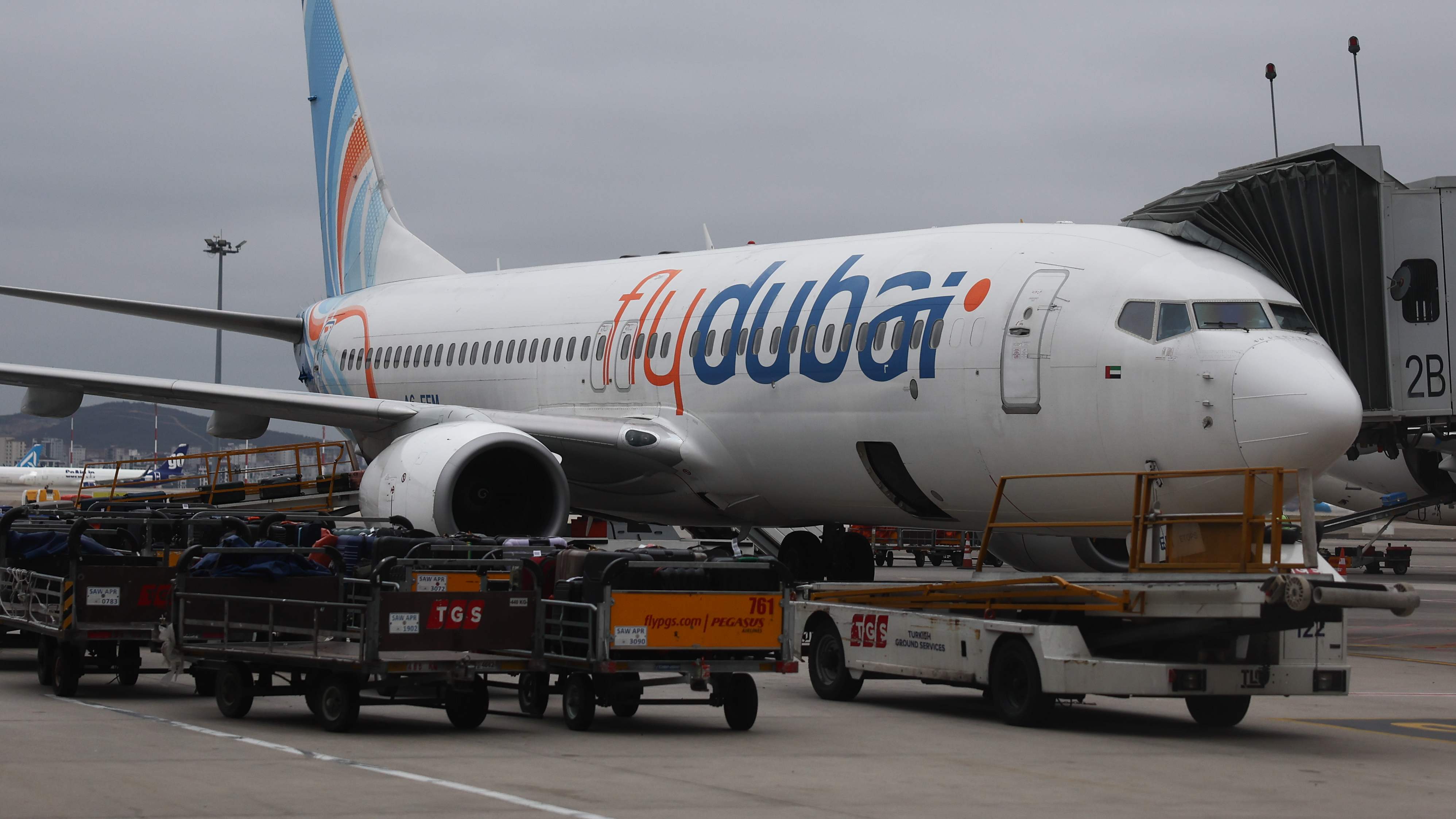
A commercial flight from Dubai to Israel was forced into an emergency landing in Saudi Arabia on Wednesday following a severe dispute between the plane's two pilots, an incident that briefly triggered fears of a potential hijacking and prompted Israel to scramble fighter jets.
This fast-moving event highlights the critical security protocols in place for flights traversing sensitive airspace and the immediate response mechanisms activated during perceived threats. This analysis will delve into the details of the diversion, the security response, the revealed cause, and the broader implications for regional aviation and security.
📑 Table of Contents
1. The Incident: A Flight's Unexpected Diversion
A FlyDubai flight en route from Dubai to Israel experienced a critical situation shortly after takeoff Wednesday, necessitating an immediate diversion. Publicly available flight tracking data indicated the aircraft transmitted an emergency alert, a signal that immediately elevates concern within aviation and security circles. The plane was directed to land in Tabuk, a location within Saudi Arabia known to host both civilian and military facilities.
The nature of the emergency remained unclear in the initial moments, leading to widespread speculation and heightened vigilance across regional air traffic control and defense agencies. The fact that the diversion occurred over a route involving Israel and landed in Saudi Arabia, a nation with whom Israel does not have full diplomatic relations, added layers of complexity to the unfolding situation.
Landing in Tabuk
The chosen landing site, Tabuk, is strategically significant. Its dual-use nature means it possesses infrastructure capable of handling commercial aircraft while also being a military installation, suggesting a swift and controlled response was prioritized by Saudi authorities.
2. Security Alert: Scrambled Jets and Initial Fears
The emergency alert from the FlyDubai aircraft immediately set off alarm bells within Israel's security apparatus. Citing unnamed security officials, Israeli media reported that the nation's air force scrambled fighter jets in response to the developing situation. This rapid military mobilization underscores the serious nature with which any perceived threat to civilian aviation, particularly flights bound for Israel, is treated.
The initial uncertainty surrounding the cause of the emergency alert — whether it was a technical malfunction, a security breach, or another cause — meant that all possibilities, including a hijacking scenario, were considered. This is standard operating procedure for air security agencies when an aircraft deviates from its planned route unexpectedly and transmits distress signals.
Regional Coordination Under Pressure
The incident also put regional air traffic management and security coordination to the test. Saudi Arabia, as the host nation for the emergency landing, played a crucial role in managing the situation on the ground. The swift decision to allow the landing and manage the aircraft's presence on its soil demonstrated a pragmatic approach to an urgent aviation safety and security event.
3. The Cause: A Pilot Dispute Unfolds

As the situation stabilized and initial security assessments were conducted, reports began to emerge clarifying the root cause of the emergency. Israeli security officials, as reported by local media, indicated that the incident stemmed not from an external security threat, but from an internal conflict: a feud between the plane's two pilots. This revelation shifted the focus from a potential act of aggression to an unprecedented operational failure.
Details regarding the specifics of the dispute remain scarce, but the outcome was clear: the escalating conflict between the flight crew led to the transmission of an emergency alert and the subsequent diversion. Crucially, all passengers and crew on board were confirmed to be safe, a primary objective in any aviation emergency scenario. The pilots involved would likely face severe professional and regulatory consequences.
Passenger Safety Paramount
The fact that the situation was resolved without harm to the passengers is the most critical takeaway from the incident's immediate aftermath. While the pilot dispute created a high-stakes security environment and significant alarm, the lack of any actual threat to those on board offers a measure of relief.
4. Why This Matters: Geopolitical and Aviation Implications
This incident, while ultimately attributed to a pilot dispute, carries significant weight. It underscores the heightened security awareness surrounding flights to and from Israel, particularly in a region with complex geopolitical dynamics. The immediate scrambling of Israeli jets highlights the nation's robust defense posture and its readiness to respond to perceived threats in its airspace, even if the threat originated internally within a civilian aircraft.
Furthermore, the diversion to Saudi Arabia, though a necessity for safety, is noteworthy. While Saudi Arabia and Israel do not have formal diplomatic ties, both nations share a common interest in regional stability and security. This event tested that de facto cooperation in managing an unexpected aviation crisis, demonstrating a capacity for practical, albeit discreet, collaboration when necessary.
Aviation Safety Protocols Under Scrutiny
The incident inevitably raises questions about internal crew dynamics and the protocols in place to manage disputes or incapacitate unruly flight crew members before they escalate to such critical levels. Aviation authorities worldwide will likely review the circumstances to ensure that such internal conflicts do not compromise flight safety or trigger disproportionate security responses in the future.
5. What's Next: Investigations and Aviation Protocol
Investigations into the exact nature and severity of the pilot dispute are expected to be thorough. Aviation regulatory bodies in the UAE, Israel, and potentially Saudi Arabia, along with FlyDubai itself, will scrutinize the events leading up to the emergency alert. The pilots involved will likely face severe sanctions, potentially including the revocation of their licenses, depending on the findings.
For passengers, the incident serves as a stark reminder of the unpredictable nature of air travel, even when threats are not external. FlyDubai will need to address passenger concerns and ensure confidence in their operational procedures and crew management. The event also provides a case study for aviation security agencies on managing internal flight crew conflicts that trigger high-level security alerts.
Regional Security Posture
Moving forward, the incident will likely reinforce the existing security postures of nations involved. Israel will continue its vigilant approach to aviation security, while Saudi Arabia's role in managing the diversion will be observed as an indicator of its operational capabilities and willingness to assist in such scenarios. The incident highlights the complex interplay of safety, security, and diplomacy in the modern aviation landscape.
🔥 Follow Azeem USA for continuous updates on this developing story.
Conclusion
A FlyDubai flight from Dubai to Israel was diverted to Saudi Arabia due to a dispute between its pilots, prompting a significant security alert that included the scrambling of Israeli fighter jets. All passengers and crew were confirmed safe following the emergency landing in Tabuk.
The focus now shifts to the official investigations into the pilot dispute and its handling. Authorities will examine how such an internal conflict escalated to trigger a major security response, and what measures can be enhanced to prevent similar incidents in the future, ensuring both flight safety and robust security protocols across all aviation operations.
❓ FAQ
What happened to the FlyDubai flight?
A FlyDubai plane traveling from Dubai to Israel made an emergency landing in Tabuk, Saudi Arabia, due to a dispute between its two pilots.
Why did the flight divert?
The diversion occurred because of a severe feud between the captain and the first officer, which led them to transmit an emergency alert.
Was there a hijacking attempt?
Initial fears suggested a possible hijacking, prompting a security alert and the scrambling of Israeli jets, but the cause was later identified as a pilot dispute.
Were passengers safe?
Yes, all passengers and crew on board the FlyDubai flight were confirmed to be safe.
What are the implications of this incident?
The incident highlights aviation security protocols, crew conflict management, and the operational cooperation between regional powers in managing aviation emergencies.
Comments
Post a Comment