Trump's Bold China Arms Offer: A Geopolitical Game-Changer? 📸 Image Credit: yahoo.com By Azeem-USA · Mon Sep 28 2026 English (en-US) In a move that has sent ripples through the international political and security communities, President Donald Trump reportedly extended an unusual offer to Chinese President Xi Jinping: the possibility of China purchasing American weaponry. This revelation, disclosed by U.S. Ambassador to China David Perdue, represents a significant departure from established diplomatic norms and raises profound questions about the future of U.S.-China relations and global security. At Azeem USA, we delve into the remarkable details of this alleged conversation, examining its immediate context, potential long-term consequences, and what it signifies about the evolving dynamics between two of the world's most powerful nations. Understanding this development is crucial for anyone tracking the complex landscape of international ...

🚨 Breaking News Analysis
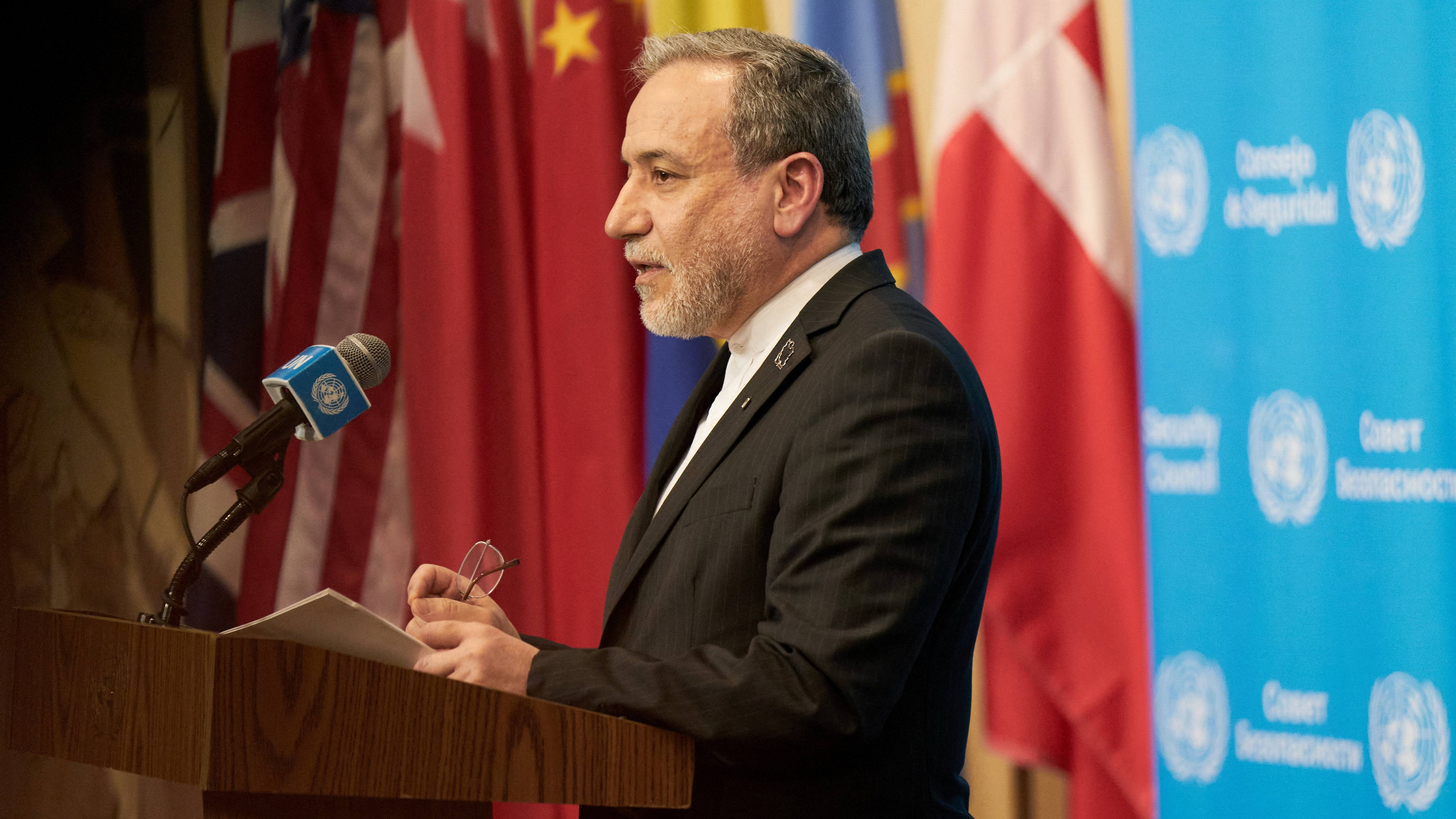
Iran is doubling down on diplomacy as its primary path forward following President Donald Trump's rejection of a key proposal aimed at de-escalating tensions. The insistence comes after Tehran offered a plan that could potentially reopen the Strait of Hormuz, a move contingent on unspecified conditions. This rejection by the US President signals a hardening of positions and raises immediate concerns about continued conflict in a volatile region.
This analysis will break down Iran's diplomatic push, explore the conditions it has laid out, examine the US administration's rejection, and assess the critical implications for regional security, particularly concerning the Strait of Hormuz.
📑 Table of Contents
1. The Standoff: Diplomacy Meets Rejection
Iran's Foreign Minister, Abbas Araqchi, has publicly stated that "only a negotiated solution can get them out of this deadlock." This declaration on social media underscores Tehran's commitment to a diplomatic resolution, even as direct engagement with the United States appears stalled. The proposal, reportedly related to the crucial Strait of Hormuz, represents a potential olive branch, but its rejection by President Trump has thrown a wrench into these efforts.
The timing of this exchange is critical. The region remains a tinderbox, with ongoing proxy conflicts and the ever-present threat of direct confrontation. Iran's insistence on diplomacy, juxtaposed with Trump's rejection, paints a picture of a complex geopolitical chess match where communication channels are fraught with mistrust.
Strait of Hormuz Significance
The Strait of Hormuz is not just a waterway; it's a vital artery for global oil trade. Any disruption there has immediate and far-reaching economic consequences, making proposals related to its status exceptionally sensitive.
2. Iran's Conditions: What Are They?
While Iran's Foreign Minister was explicit about the need for diplomacy and the contingency of any Strait of Hormuz initiative on met conditions, the specifics of these conditions remain largely undisclosed to the public. This ambiguity is a recurring theme in Iranian foreign policy, often serving to maintain strategic leverage and avoid premature concessions.
Analysts suggest these unstated conditions likely revolve around the lifting of crippling economic sanctions imposed by the Trump administration, a rollback of increased military presence in the region, and potentially broader security guarantees. The success of any diplomatic overture, from Iran's perspective, hinges on tangible changes in US policy that address what Tehran views as existential threats to its economy and sovereignty.
Leveraging the Strait
The Strait of Hormuz proposal itself is a powerful bargaining chip. Iran has historically used its ability to influence or potentially disrupt shipping through the strait as leverage in international negotiations. By linking its reopening to conditions, Tehran aims to force the US to address its core grievances.
3. Trump's Position: A Hardline Stance

President Trump's rejection of Iran's peace plan, as reported, signals a continuation of his administration's maximum pressure campaign. The US has consistently demanded that Iran halt its ballistic missile program, cease its support for regional proxies, and fundamentally alter its behavior before any sanctions relief or significant diplomatic engagement is considered.
This hardline stance is consistent with the broader US foreign policy approach under Trump, which prioritizes bilateral deals, skepticism towards multilateral agreements, and a willingness to use economic sanctions as primary tools of statecraft. The rejection suggests that the current US administration does not see Iran's offer as sufficient to warrant a significant policy shift, or perhaps views it as a tactical maneuver rather than a genuine attempt at comprehensive de-escalation.
Economic Pressure as a Weapon
The Trump administration has wielded sanctions as a powerful weapon against Iran, aiming to cripple its economy and force concessions. The rejection of the peace plan implies a belief that continued economic pressure will eventually bring Iran to the negotiating table on US terms, rather than the other way around.
4. Regional Implications: Strait of Hormuz Flashpoint
The Strait of Hormuz remains a critical chokepoint for global energy supplies, with approximately 30% of seaborne oil trade passing through it. Any escalation of tensions in or around the Strait carries significant risks of disrupting this vital flow, impacting global markets and potentially triggering a worldwide economic downturn.
Iran's proposal, even if rejected, highlights the centrality of the Strait in the US-Iran conflict. Both sides understand its strategic importance, and the potential for miscalculation remains high. The US Navy, in coordination with allies, maintains a significant presence to ensure freedom of navigation, but Iran's capabilities to harass or threaten shipping cannot be ignored. This standoff creates a persistent risk of incidents that could rapidly spiral out of control.
Wider Geopolitical Context
This direct confrontation between Iran and the US, with Israel implicitly involved as per the source snippet, occurs against a backdrop of broader regional instability. The ongoing conflicts in Syria, Yemen, and Iraq, coupled with the complex relationships between regional powers, mean that any flare-up involving Iran could have cascading effects across the Middle East.
5. What Happens Next: A Tenuous Path Forward
With diplomacy seemingly rebuffed by the US, Iran may resort to other means to exert pressure or signal its resolve. This could include increased naval activity in the Persian Gulf, more assertive rhetoric, or potentially pursuing further advancements in its nuclear or missile programs, which would undoubtedly provoke stronger reactions from the US and its allies.
Conversely, the situation is fluid. Behind-the-scenes diplomatic channels, often more effective than public pronouncements, may still be active. The international community, particularly European nations and key Asian importers of oil, has a vested interest in de-escalation and will likely continue to urge both sides towards dialogue. The coming weeks will be crucial in determining whether this latest diplomatic gambit, despite its initial rejection, can eventually pave the way for a more sustained negotiation process or if the path ahead leads to further confrontation.
Monitoring Key Indicators
Watch for any shifts in rhetoric from either side, increased military posturing in the Persian Gulf, or any signs of direct engagement from international mediators. The response of key regional players, such as Saudi Arabia and the UAE, will also be significant indicators of the evolving geopolitical landscape.
🔥 Follow Azeem USA for continuous updates and analysis on this developing story.
Conclusion
Iran has reiterated its commitment to a diplomatic solution to its conflict with the United States and Israel, despite President Trump's rejection of a proposal concerning the Strait of Hormuz. This impasse highlights the deep divisions and mistrust that continue to characterize US-Iran relations.
The immediate future hinges on whether either side is willing to adjust its stance or if back-channel communications can bridge the gap. The volatile nature of the region means that any misstep could have severe consequences, making continued monitoring of diplomatic signals and military activities imperative.
❓ FAQ
What was Iran's proposal?
Iran reportedly offered a plan related to reopening the Strait of Hormuz, contingent on unspecified conditions being met.
Why did President Trump reject the plan?
The rejection suggests the US administration did not find the offer sufficient for a policy shift, adhering to its maximum pressure campaign demanding broader changes from Iran.
What are Iran's stated conditions?
Iran has stated its conditions are clear but has not publicly detailed them, though analysts suggest they likely involve sanctions relief and security guarantees.
Why is the Strait of Hormuz important?
It is a critical chokepoint for global oil trade, and disruptions there have significant economic implications worldwide.
What is the likely next step?
It remains uncertain. Iran might increase pressure through other means, or behind-the-scenes diplomacy could continue. The situation is highly fluid.
Comments
Post a Comment