5 Critical Takeaways from the Trump-Xi White House Summit 📸 Image Credit: yahoo.com By Azeem-USA · Thu Sep 24 2026 English (en-US) The world watched as US President Donald Trump welcomed Chinese President Xi Jinping to the White House for an elaborate state visit. This was not merely a diplomatic formality but a high-stakes chess match played out between the world's two most powerful economies. In this comprehensive analysis, we deconstruct the five critical takeaways from the summit, examining how these decisions will reshape global trade, technology, and international security. 📑 Table of Contents The Fragile Trade Truce Extension The Artificial Intelligence Arms Race Strategic Rivalry and Global Security Economic Stability vs. Market Volatility The Path Forward for Future Diplomacy FAQ #Donald Trump #Xi Jinping #Trade War #Artificial Intelligence #Geopolitics #White House Summit #Donald Trump #Xi Jinping #Trade War #Artificial Intellige...

🚨 Breaking News Analysis
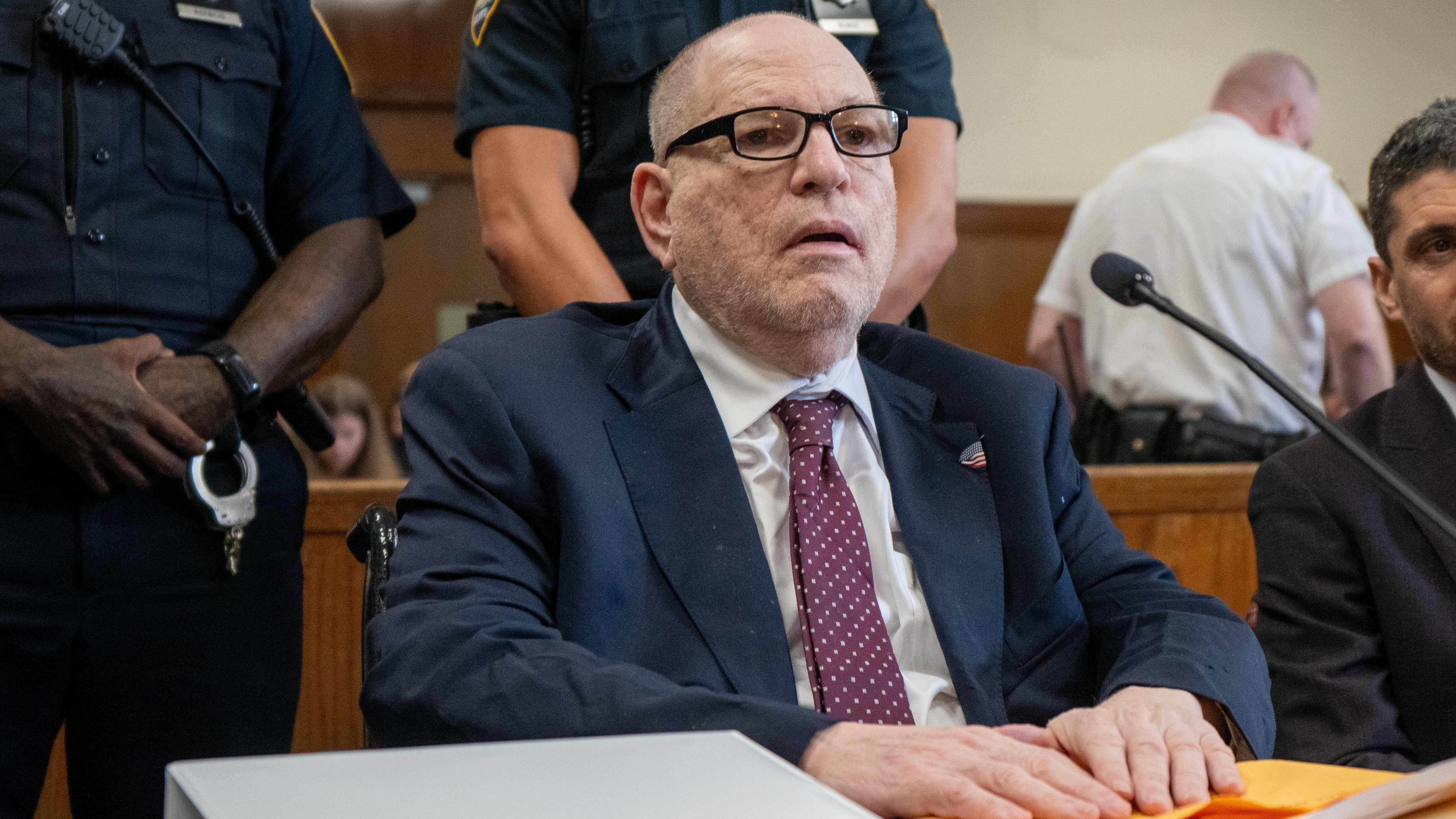
Harvey Weinstein, the once-powerful Hollywood mogul, was sentenced on Wednesday to 15 years in Manhattan prison for a felony sex crime involving a one-time TV production assistant. This ruling follows a tumultuous legal journey that saw the overturning of his previous major conviction, signaling a continued but significant chapter in the ongoing legal reckoning of the #MeToo era.
This analysis examines the specifics of the sentencing, the procedural history that led to this retrial, and the broader implications for the New York courts and the global entertainment industry.
📑 Table of Contents
1. The Verdict: Details of the Manhattan Sentencing
On Wednesday, a Manhattan judge handed down a 15-year sentence on Harvey Weinstein for the sexual assault of Miriam Haley, a production assistant who worked for him in 2006. The sentence is the direct result of a retrial that found Weinstein guilty after his initial 2020 conviction was vacated by the state's highest court.
The court focused on the nature of the assault and the power dynamics inherent in the professional relationship. While the term is shorter than the previous sentence he faced in California, it ensures that the former producer remains incarcerated for a significant period within the New York justice system.
The Scope of the Charges
The prosecution centered on the specific incident in 2006 where Haley alleged Weinstein sexually assaulted her. Prosecutors demonstrated a pattern of behavior where Weinstein utilized his status in the film industry to coerce subordinates into encounters.
2. The Legal Odyssey from Conviction to Retrial
The path to Wednesday's sentencing has been marked by complex legal maneuvers. In 2020, Weinstein was originally sentenced to 23 years based on a separate trial. However, the New York Court of Appeals overturned that conviction recently, ruling that the trial judge improperly allowed 'Molineux witnesses'—women who were not part of the specific charges—to testify about their own experiences.
This reversal forced a retrial, where the prosecution had to build a case focused strictly on the allegations brought by Miriam Haley. The jury's decision to convict Weinstein again led directly to the current 15-year sentence handed down this week.
The Procedural Hurdles Faced
The overturning of the first conviction highlighted significant debates regarding how character evidence is used in sexual assault trials. It forced the legal system to work within narrower parameters while still attempting to achieve justice for the victims.
3. Why This Sentencing Matters for the #MeToo Movement

This sentencing serves as a stark reminder that the legal consequences of the #MeToo movement are far from over. Despite the setback of the overturned first conviction, the successful retrial and subsequent sentencing demonstrate that the judicial system can still hold high-profile figures accountable for decades-old alleged misconduct.
For many survivors, the 15-year term represents a validation of the claims they came forward to share years ago. It reinforces the narrative that power in the entertainment industry does not grant permanent immunity from criminal liability for sexual violence.
Precedent for Future Cases
Analysts suggest that this case will be a blueprint for how future high-profile cases are handled in New York. It shows that even when a conviction is vacated, the prosecution can prevail through a focused retrial.
4. Industry Fallout and Stakeholder Reactions
The entertainment industry has undergone a radical transformation since the first allegations against Weinstein surfaced in 2017. Once an Oscar-winning producer behind hits like 'Shakespeare in Love' and 'Pulp Fiction,' his influence is now erased. The sentencing marks the definitive end of any hope for his return to public life or industry.
Victim advocacy groups have reacted to the sentence as a necessary step toward accountability, while some argue the length of the sentence should have reflected the volume of alleged abuse. Regardless, the industry at large has moved toward implementing new protocols for protection for junior-level staff.
The Shift in Power Dynamics
The fall of Weinstein led to a systemic review of how studios handle talent and misconduct. This sentencing solidifies the shift in public perception and corporate responsibility within Hollywood culture.
5. What Lies Ahead for the Former Producer
With a 15-year sentence in Manhattan, Weinstein still faces significant legal hurdles. He is also serving a 16-year sentence in California from a separate conviction in Los Angeles County. The overlap of these sentences means he will likely remain incarcerated for the remainder of his life years.
Legal teams are likely to appeal the Manhattan sentencing, citing the same procedural concerns that overturned the first conviction. However, for now, the sentence stands, and Weinstein begins his term in a state correctional facility.
Monitoring the Appeals Process
The focus will now shift to the appellate courts, which will determine if the retrial process followed all necessary legal standards for sexual assault prosecutions in the state.
🔥 Follow Azeem-USA for more updates as this breaking legal story develops.
Conclusion
Harvey Weinstein has been sentenced to 15 years in prison for a 2006 sexual assault, following a successful retrial after his initial conviction was overturned. This event marks a pivotal moment in the long-running legal battle and the continued evolution of the #MeToo legal landscape.
Observers should now watch the inevitable appeals process and how this case influences future prosecution strategies in high-profile misconduct cases in New York.
❓ FAQ
How many years was Harvey Weinstein sentenced to in Manhattan?
He was sentenced to 15 years in prison for the 2006 sexual assault.
Why was his previous 2020 conviction overturned?
The New York Court of Appeals ruled that the trial judge improperly allowed testimony from women whose claims were not part of the specific charges.
Is he serving time anywhere else?
Yes, he is also serving a 16-year sentence in California following a separate conviction there.
Who was the victim in the Manhattan case?
The victim is Miriam Haley, a one-time TV production assistant who worked for Weinstein in 2006.
Does this sentence mean the end of his legal battles?
No, his legal team is likely to appeal the 15-year sentence.
Comments
Post a Comment