Breaking: Talarico Returns to Trail, Slams Paxton Over Absence Speculation 🚨 Breaking News Analysis 📸 Image Credit: nbcnews.com By Azeem-USA · Mon Oct 12 2026 English (en-US) Democratic Texas Senate candidate James Talarico forcefully returned to the campaign trail Sunday, addressing his recent, unexplained absence and directly countering conservative speculation by attributing it to a severe bout of influenza. The candidate's reappearance and pointed remarks aim to quell rumors and refocus his bid for the U.S. Senate. This analysis breaks down Talarico's explanation, the political context surrounding his temporary hiatus, the implications of attacks potentially linked to Attorney General Ken Paxton, and what this moment signifies for the ongoing Texas Senate race. 📑 Table of Contents Talarico's Return and the 'Flu' Explanation The Specter of Speculation: Why the Absence Mattered Ken Paxton's Role and Texas Politics Ca...

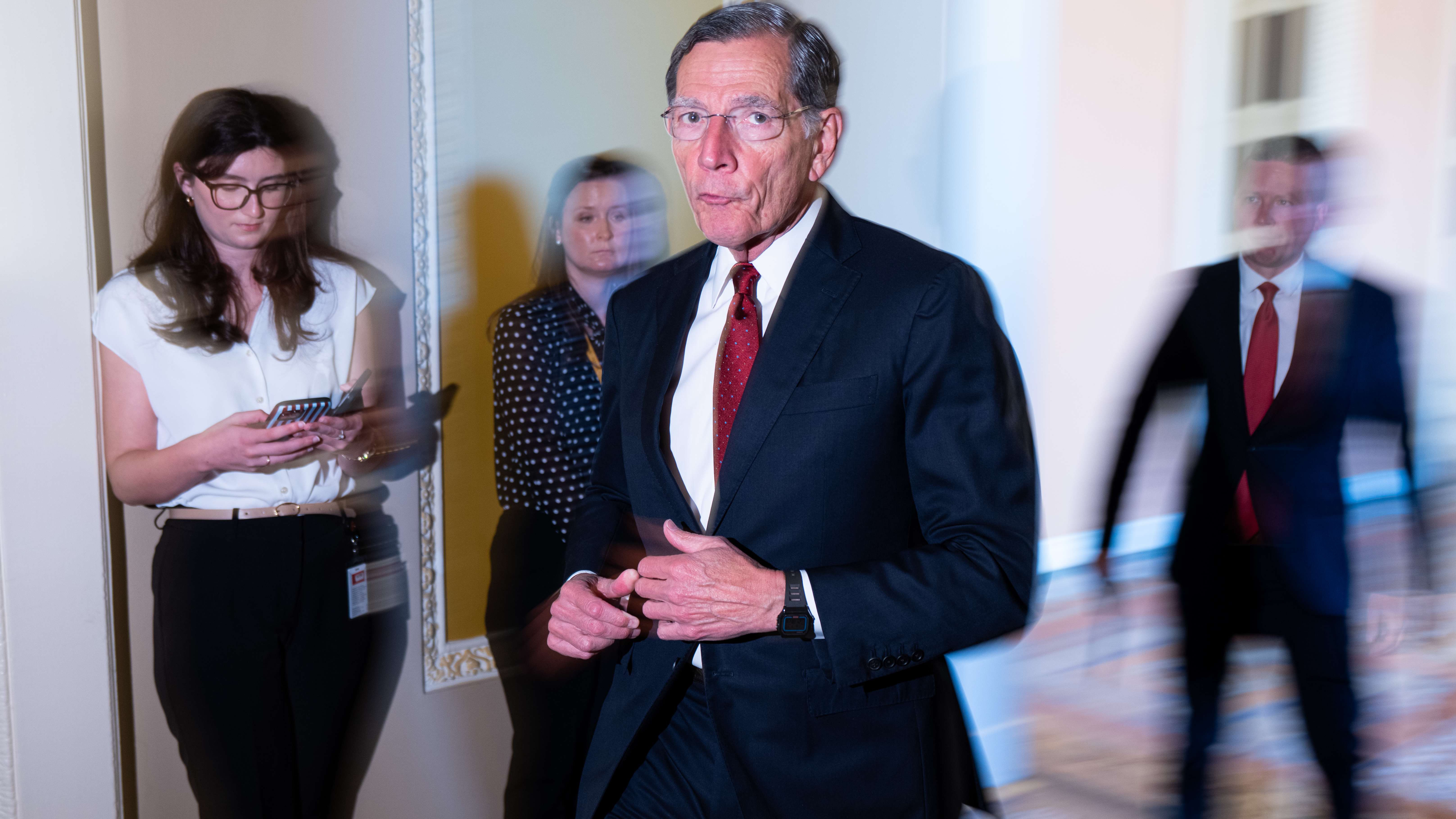
In the ever-evolving landscape of American politics and media, a recent controversy has ignited debate surrounding the boundaries of presidential power and the fundamental rights of the press. When President Donald Trump's administration made the decision to ban reporters from several prominent news organizations, including Politico, MS NOW, and CNN, from covering White House events, concerns were immediately raised about potential constitutional violations. This move sparked a crucial discussion about the First Amendment and the vital role of a free press in a democratic society.
However, not all political figures share these concerns. Senator John Barrasso, a prominent Republican, recently downplayed the notion that these actions infringed upon constitutional principles. His remarks have brought to the forefront a complex legal and ethical debate. At Azeem USA, we delve into the nuances of this situation, examining Senator Barrasso's perspective, the constitutional framework, and what this means for the future of media access and journalistic integrity.
📑 Table of Contents
1. The Core of the Controversy: Media Bans and Constitutional Rights
The decision by the Trump administration to restrict access for certain journalists and news outlets was met with swift condemnation from press advocacy groups and civil liberties organizations. At the heart of the objection lies the First Amendment of the U.S. Constitution, which explicitly states that Congress shall make no law abridging the freedom of speech or of the press. Critics argue that barring accredited journalists from covering official White House briefings and events constitutes a direct infringement upon this foundational right. Such actions, they contend, can be seen as a form of censorship, aimed at controlling the narrative and preventing critical reporting.
The implications of such bans extend beyond the immediate exclusion of specific reporters. They raise concerns about a broader trend towards limiting media access, potentially creating an environment where the government can selectively engage with or silence critical voices. This can undermine the public's right to information and hinder the press's ability to serve as a watchdog, a role considered indispensable in a functioning democracy. The power to grant or deny access can be used as leverage, influencing the tone and content of reporting, which is a dangerous precedent for open governance.
Defining the Scope of Press Freedom
Understanding the constitutional protection afforded to the press is crucial. The First Amendment is not absolute; it does not grant the press unfettered license. However, historical interpretations have generally favored robust protection for journalistic activities, particularly concerning access to information relevant to the public interest. The question then becomes whether a ban on specific news organizations crosses the line from permissible regulation to unconstitutional suppression.
2. Senator Barrasso's Stance: A Defense of Fair Reporting
Senator John Barrasso, when questioned directly about whether President Trump's actions violated the Constitution, offered a concise but telling response: "No, I believe the press has an obligation to report fairly." This statement suggests a perspective that views the administration's actions not as an attack on the press, but as a response to what is perceived as unfair or biased reporting. Barrasso reiterated his respect for the freedom of the press, citing its inclusion in the Constitution, but framed it within the context of journalistic responsibility.
His analogy to social media bans – comparing the White House press access limitations to Trump's own suspension from platforms like Twitter and Facebook – further illustrates his viewpoint. While not directly a constitutional matter for private companies, the comparison implies a belief that individuals or entities, including the government, have a right to control who engages with them or their platforms, especially if that engagement is deemed adversarial or unfair. This framing positions the press ban as a reaction to perceived journalistic shortcomings rather than an inherent governmental overreach.
The Role of Fairness in Journalism
Barrasso's emphasis on the press's obligation to report fairly touches upon a long-standing debate about journalistic ethics and objectivity. While the ideal of objective reporting is widely held, the definition of "fairness" can be subjective and contested. What one party views as fair coverage, another might perceive as biased or inaccurate. This subjectivity makes it a challenging standard to apply objectively when considering governmental actions that restrict access.
3. The First Amendment: Protecting the Press, But With Limits?

The First Amendment guarantees freedom of the press, a cornerstone of American democracy. This protection is vital for ensuring that the public receives information from a variety of sources, allowing for informed decision-making and holding those in power accountable. However, the application of this freedom, especially in the context of government access, is complex. Historically, courts have recognized that while the government cannot generally censor the press, it can impose reasonable time, place, and manner restrictions on access.
The critical question is whether a ban based on the content or perceived fairness of reporting falls within these permissible restrictions or constitutes an unconstitutional prior restraint or viewpoint discrimination. Critics of the bans argue that excluding news organizations based on their editorial stance or reporting decisions is a form of viewpoint discrimination, directly prohibited by the First Amendment. They emphasize that the government should not be in the business of deciding which media outlets are credible or deserving of access based on their coverage.
Distinguishing Regulation from Censorship
A key distinction lies between regulating access to government information and censoring reporting. While the White House may have some discretion in managing press access, this discretion is generally understood to be constrained by constitutional principles. Denying access to specific reporters or outlets based on their critical coverage, rather than on objective criteria like security concerns or disruptive behavior, is where the constitutional line is most likely to be crossed.
4. Historical Precedents and the Evolving Media Landscape
Throughout history, there have been instances of tension between the press and the government. Presidents have, at various times, sought to manage or influence media coverage, and there have been challenges regarding press access. Landmark Supreme Court cases, such as Near v. Minnesota and New York Times Co. v. Sullivan, have established strong protections against prior restraint and have set high bars for public figures seeking to sue for defamation, underscoring the importance of a free and unfettered press.
However, the modern media landscape is vastly different from previous eras. The rise of digital media, social media platforms, and a fragmented news ecosystem presents new challenges. The administration's argument for limiting access might be framed within this evolving context, suggesting that traditional gatekeepers are no longer the sole arbiters of information. Yet, this does not negate the constitutional principles. The ability of journalists to access information, ask tough questions, and report findings remains a fundamental aspect of democratic accountability, regardless of the platform.
The Impact on Public Discourse
When access is restricted, it not only affects the journalists involved but also the broader public discourse. The information that the public receives is filtered, potentially limiting the range of perspectives and critical analysis available. This can lead to a less informed citizenry and can empower those in power to shape narratives with less challenge, which is detrimental to the health of democracy.
5. Navigating the Future: Balancing Access and Accountability
The debate surrounding Senator Barrasso's comments and the underlying press bans highlights a critical juncture in the relationship between the government and the media. While political figures may seek to defend such actions by emphasizing journalistic fairness or comparing them to other forms of access restrictions, the constitutional implications remain a significant concern for many. The First Amendment's protection of the press is not merely about the rights of journalists; it is fundamentally about the public's right to know and to receive information freely.
Moving forward, it is essential to uphold the principles of press freedom while also fostering an environment where constructive engagement between the government and the media can occur. This requires clear guidelines for access, transparency in decision-making, and a mutual respect for the distinct but complementary roles played by both government officials and the press. The long-term health of our democracy depends on maintaining these checks and balances, ensuring that the press can continue its vital work without undue interference or politically motivated exclusion.
The Enduring Importance of a Free Press
Ultimately, the strength of a nation's democracy is often measured by the freedom and vitality of its press. While debates about fairness and access are inevitable, any actions that appear to suppress or unduly restrict the press must be scrutinized carefully against the bedrock principles enshrined in the Constitution. The conversation initiated by Senator Barrasso's remarks serves as a reminder of the ongoing need to protect and defend the Fourth Estate.
🔥 Stay informed on the critical issues shaping American politics and constitutional law.
Conclusion
Senator Barrasso's downplaying of concerns regarding President Trump's media bans, while reflecting a specific viewpoint on journalistic obligation, underscores the ongoing tension between governmental authority and press freedom. The debate highlights the critical need to interpret and uphold the First Amendment's protections in the face of political pressures and an evolving media environment.
As we move forward, the principles of transparency, accountability, and the public's right to information must remain paramount. Ensuring robust access for a diverse and critical press is not just a benefit to journalists, but a necessity for a healthy and informed democracy. The Azeem USA blog will continue to monitor these developments, providing insights into the critical issues shaping our nation's discourse.
❓ FAQ
What constitutional amendment protects the freedom of the press in the U.S.?
The First Amendment to the U.S. Constitution protects the freedom of speech and of the press.
What did Senator Barrasso say about the Trump media bans?
Senator Barrasso downplayed concerns, stating he did not believe the bans violated the Constitution and emphasized the press's obligation to report fairly.
Can the President ban news organizations from covering White House events?
This is a contentious issue. Critics argue it may violate the First Amendment's press clause, while proponents might argue for the administration's right to manage access. Legal challenges often hinge on whether such bans constitute viewpoint discrimination.
What is the historical significance of the First Amendment regarding the press?
The First Amendment has historically been interpreted to provide broad protections for the press, serving as a crucial check on government power and ensuring public access to information.
Why is a free press considered important for democracy?
A free press is essential for informing the public, holding power accountable, facilitating open debate, and ensuring transparency in government, all of which are vital for a functioning democracy.
Comments
Post a Comment