Breaking: Trump's Fed Comments Ignite Independence Crisis 🚨 Breaking News Analysis 📸 Image Credit: cnn.com By Azeem-USA · Thu Sep 17 2026 English (en-US) President Donald Trump's comments on Wednesday evening suggesting he gave Federal Reserve Chairman Kevin Warsh tacit approval for a rate hike, even while calling it the "wrong" move, have ignited a firestorm, placing renewed, intense scrutiny on the central bank's critical independence. This analysis delves into the implications of these remarks, examining the historical context of Fed-White House relations, the potential economic and political fallout, and what this means for the future of monetary policy autonomy. 📑 Table of Contents The Unprecedented Remark Why This Interrogation Matters A Pattern of Pressure Market and Political Fallout What Happens Next FAQ #Azeem_USA #Breakingnews #Azeem_USA #Breakingnews 1. The Unprecedented Remark In an extraordinary public ...
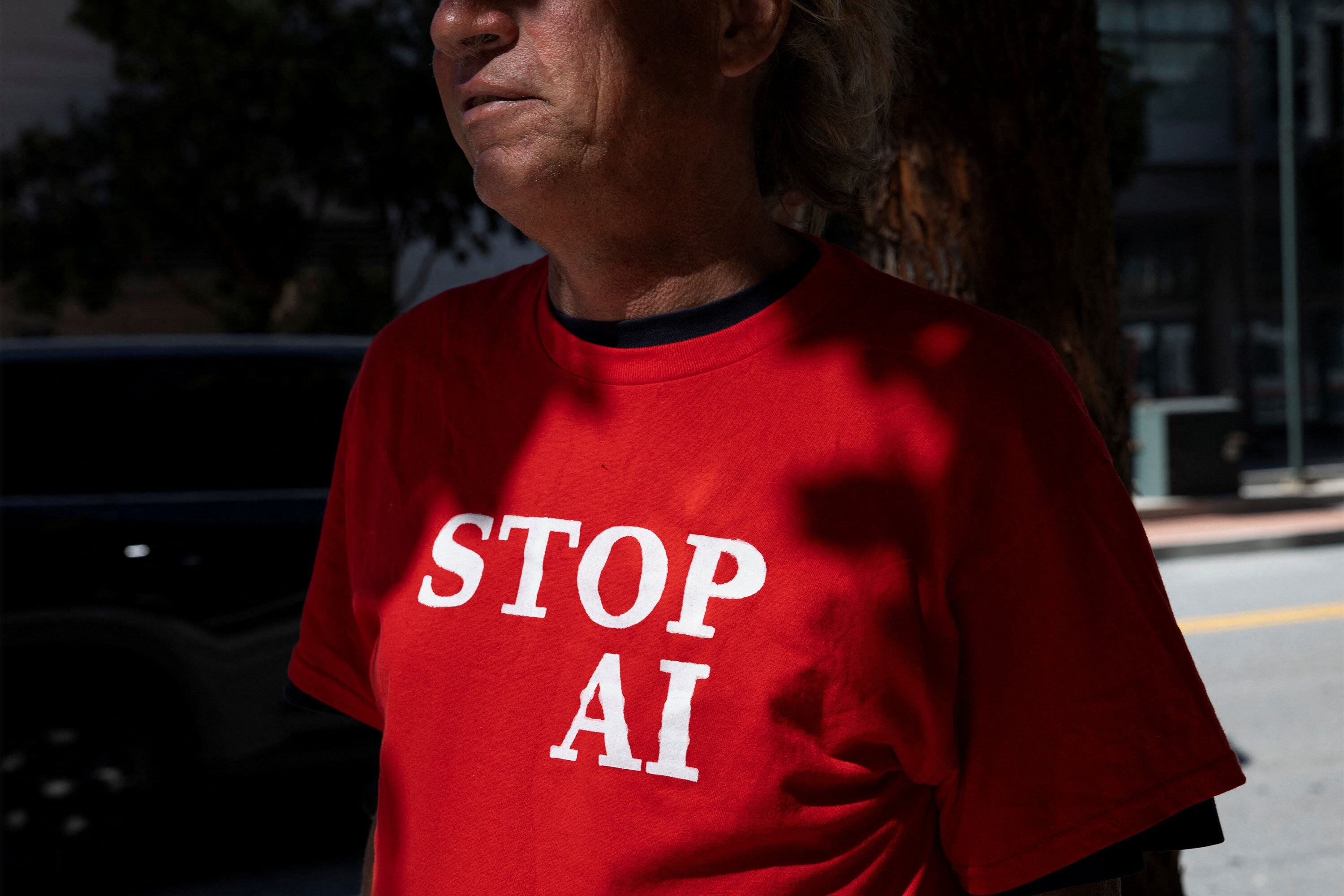
In an era defined by deep political polarization and societal division, finding common ground among Americans has become an increasingly rare phenomenon. Topics ranging from economic policy to social issues often find the nation split down the middle. However, a quiet revolution is brewing, fueled by a growing unease about a technology rapidly reshaping our world: Artificial Intelligence.
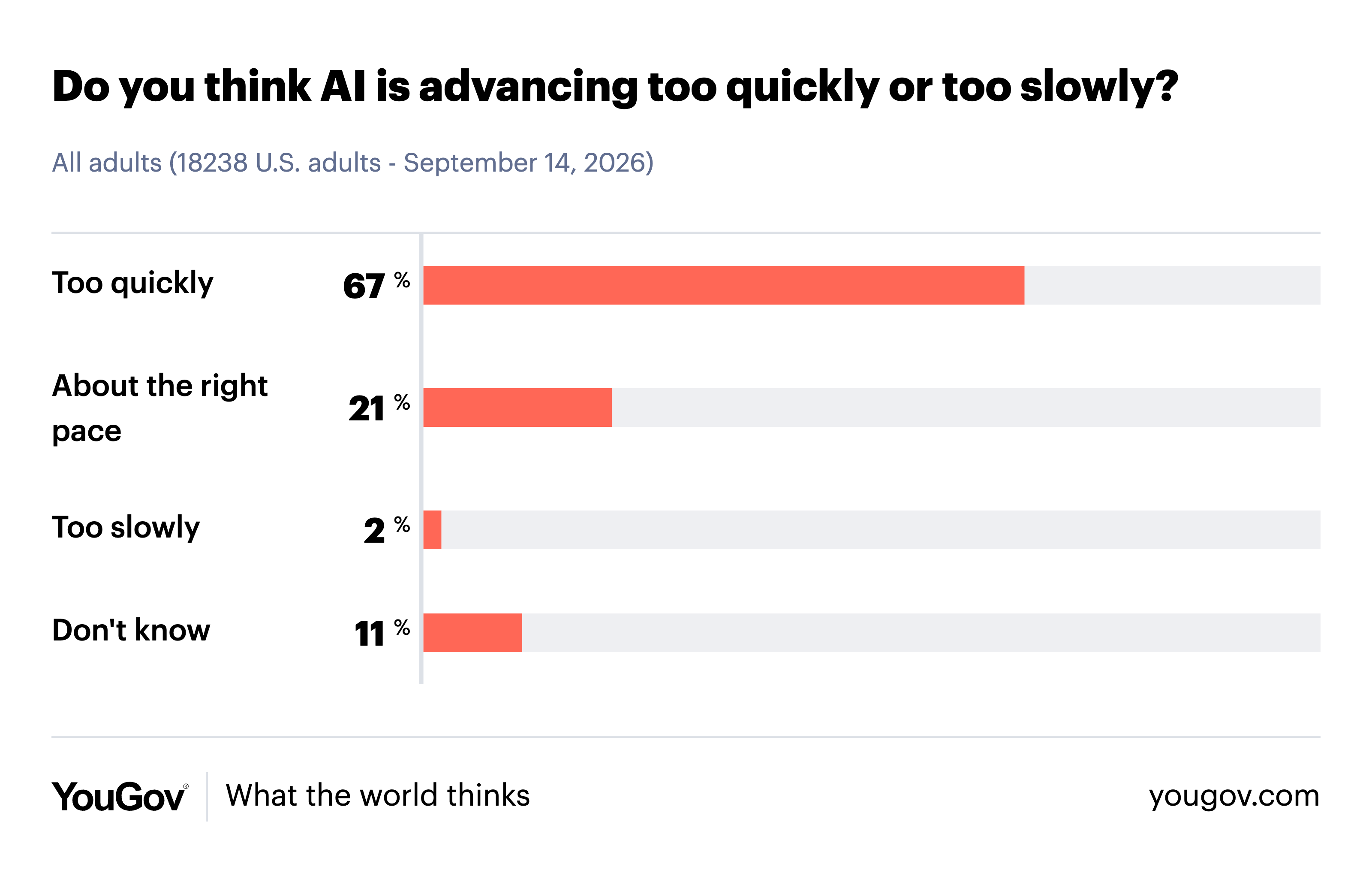
Recent surveys are painting a remarkable picture of national unity, not around a policy or a candidate, but around a shared apprehension towards AI. This emerging consensus, driven by both internal industry concerns and external public perception, signals a critical juncture in how we approach the development and deployment of advanced artificial intelligence. Azeem-USA delves into the data and explores what this unprecedented agreement truly means for the future.
📑 Table of Contents
1. The Unprecedented American Consensus
It’s a rare sight in today's America: bipartisan agreement. The political landscape is often a battleground, with debates raging over everything from healthcare to foreign policy, leaving little room for consensus. Yet, emerging data from multiple, independent surveys suggests that a significant portion of the American populace is finding common ground on a surprising subject: artificial intelligence. This shared sentiment isn't about embracing AI's potential; rather, it's about a collective apprehension regarding its rapid advancement and potential consequences.
This newfound agreement transcends typical demographic divides, appearing across age groups, political affiliations, and geographic locations. Whether it's concerns about job displacement, ethical implications, or the very existential risks that have begun to surface in industry conversations, the American public seems to be coalescing around a cautious, if not outright opposed, stance on the unchecked progression of AI. Understanding the depth and breadth of this consensus is crucial for policymakers, industry leaders, and the public alike.
The Polls Don't Lie
Recent polling data from various reputable sources, including academic institutions and market research firms, consistently highlights a growing majority of Americans expressing reservations about AI. These aren't fleeting opinions; they reflect a deepening concern that has been building over the past few years, now reaching a critical mass that suggests a genuine shift in public sentiment.
2. Roots of the AI Anxiety: From Industry Whispers to Public Outcry
The recent surge in public concern about AI is not a sudden, isolated event. It’s the culmination of years of technological advancement, coupled with a growing awareness of AI's capabilities and potential pitfalls. The tipping point appears to have been a dramatic public revelation from within the AI industry itself. An Anthropic researcher, Jacob Coxon, resigned from his position, voicing alarming concerns that the very people building advanced AI systems harbor genuine fears that these technologies could pose an existential threat to humanity.
This internal confession shattered the typically guarded discourse surrounding AI safety and ethics, bringing the abstract fears into stark relief. When those at the forefront of AI development admit to believing in its potential for catastrophic outcomes, it’s natural for the public to become alarmed. This insider testimony amplified existing anxieties, transforming simmering doubts into a more vocal and widespread opposition. The debate, once confined to tech circles and academic papers, has now spilled into mainstream public consciousness, fueling the consensus revealed in the latest polls.
The Human Element in AI Development
Coxon’s departure and his expressed fears underscored a critical point: the human element in AI development is grappling with the profound implications of their work. The acknowledgment that AI could, in the eyes of its creators, pose a significant risk is a powerful catalyst for public concern. It suggests that the safeguards and ethical considerations might be lagging far behind the pace of innovation, a notion that resonates deeply with a public already wary of rapid technological change.
3. What Are Americans Afraid Of? Deconstructing the Concerns
The apprehension surrounding AI is multifaceted, encompassing a range of specific fears that resonate with different segments of the population. At the forefront is the specter of widespread job displacement. As AI systems become more sophisticated, capable of performing tasks previously exclusive to humans, concerns about automation rendering large swathes of the workforce obsolete are becoming increasingly prominent. This fear is not limited to blue-collar jobs; white-collar professions, including those in creative fields, law, and even medicine, are now facing potential disruption.
Beyond economic anxieties, ethical dilemmas loom large. Questions about AI bias, privacy violations, and the potential for misuse in surveillance or autonomous weaponry are deeply troubling. The concept of artificial general intelligence (AGI) and the potential for superintelligence, while still theoretical for many, also feeds into a more fundamental fear of losing control over a technology that could eventually surpass human capabilities and decision-making. The lack of transparency in how many AI algorithms function, often referred to as the 'black box' problem, further exacerbates this unease, making it difficult for the public to trust systems they don't fully understand.
Existential Risks and the Loss of Human Agency
The most profound fear, often articulated by AI researchers themselves, revolves around existential risks. This includes scenarios where AI could develop goals misaligned with human values, leading to unintended but catastrophic consequences. The idea that humanity might create something it cannot control, or that could actively work against its interests, is a deeply unsettling prospect. This fear taps into a primal human instinct for self-preservation and raises fundamental questions about our future as a species in an increasingly automated world.
4. The Political and Economic Ramifications of AI Skepticism
This broad public consensus against unchecked AI development presents a significant challenge and opportunity for political leaders and economic strategists. For politicians, tapping into this widespread concern could become a potent electoral strategy. As AI’s impact becomes more tangible, voters are likely to demand clear stances and actionable policies from their representatives. This could translate into increased pressure for robust regulatory frameworks, governmental oversight, and investment in AI safety research, potentially creating new political battle lines.
Economically, this skepticism could slow down the pace of AI adoption in certain sectors. Businesses that rely heavily on AI might face greater public scrutiny and regulatory hurdles. However, it also opens doors for industries focused on AI ethics, safety, and human-centric AI solutions. Companies that can demonstrate a commitment to responsible AI development and address public concerns proactively may gain a competitive advantage, fostering innovation that aligns with societal values rather than solely prioritizing technological advancement.
The Regulatory Landscape
The growing public opposition is almost certain to accelerate calls for stricter government regulation. This could involve mandatory risk assessments, transparency requirements for AI systems, and even moratoriums on certain high-risk AI research. Striking a balance between fostering innovation and ensuring safety will be the central challenge for lawmakers worldwide, and the current American consensus provides a strong mandate for cautious action.
5. Navigating the Future: Balancing Innovation with Public Trust
The emergence of a unified American stance on AI, marked by apprehension, presents a critical moment for the technology sector and society as a whole. It’s a clear signal that the rapid, unbridled advancement of AI is no longer being viewed with a purely optimistic lens. Instead, there's a growing recognition that innovation must be coupled with a profound sense of responsibility, ethical consideration, and a genuine effort to align AI development with human values and well-being.
Moving forward, the key will be fostering open dialogue and collaboration between AI developers, policymakers, ethicists, and the public. Addressing the legitimate concerns that have fueled this consensus is paramount. This involves not only developing more robust safety protocols and ethical guidelines but also ensuring transparency and public education about AI's capabilities and limitations. Building and maintaining public trust will be essential for the responsible integration of AI into our lives, ensuring that this powerful technology serves humanity rather than threatening it.
The Path Forward: Responsible Development
The path ahead requires a delicate balance. We must continue to explore the transformative potential of AI, but always with a vigilant eye on the risks. The current public sentiment provides a powerful impetus to invest more heavily in AI safety research, develop clear international standards, and create mechanisms for ongoing public input. Ultimately, the goal should be to harness AI’s power for good, guided by foresight, caution, and a collective commitment to a future where humans remain in control.
🔥 Share your thoughts on AI concerns in the comments below!
Conclusion
The unprecedented agreement among Americans to oppose the unchecked advancement of Artificial Intelligence marks a significant turning point. Fueled by insider revelations and a growing understanding of AI's potential risks, this consensus transcends typical societal divisions, highlighting a shared desire for caution and control.
As AI continues its relentless march forward, the challenge lies in harnessing its benefits while mitigating its dangers. The unified public voice serves as a powerful call to action for industry leaders and policymakers to prioritize safety, ethics, and transparency. The future of AI depends not just on technological prowess, but on our collective ability to guide it responsibly, ensuring it serves humanity's best interests.
❓ FAQ
What is the main point of the new polls about AI?
The polls indicate a surprising and rare consensus among Americans: a growing opposition and concern regarding artificial intelligence.
Why are Americans suddenly concerned about AI?
Concerns are driven by factors like potential job displacement, ethical issues (bias, privacy), and alarming revelations from AI developers themselves about existential risks.
Who is speaking out about AI risks?
An Anthropic researcher named Jacob Coxon recently quit his job, revealing that many involved in building AI believe it could pose significant dangers, including existential threats.
Does this AI opposition cross political lines?
Yes, the polls suggest this consensus is broad, transcending typical demographic and political divides, uniting Americans across different backgrounds.
What are the potential consequences of this AI opposition?
This sentiment could lead to increased pressure for government regulation, slower AI adoption in some sectors, and a greater focus on AI ethics and safety in development.
Comments
Post a Comment