
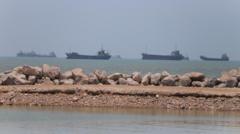
The geopolitical landscape of the Middle East has experienced a seismic shift as the United States announces the lifting of its naval blockade near Iranian waters. This move has sent shockwaves through diplomatic capitals, signaling a potential de-escalation or a strategic pivot in American foreign policy.
In this deep-dive analysis, we explore the complexities of this sudden withdrawal, the biting rhetoric from Tehran's supreme leader, and what this means for the future of international maritime security and economic stability.
📑 Table of Contents
1. The Sudden Shift: US Lifting the Naval Blockade
The decision by the United States to lift the naval blockade marks a significant turning point in months of heightened tension. For months, the presence of US naval assets in strategic corridors served as a clear display of power, intended to constrain Iranian influence and protect regional interests. The withdrawal suggests a change in the administration's approach, moving from direct pressure to a more calculated strategy.
Observers are divided on the motivation behind this move. While some view it as a gesture of peace, others suggest it is a tactical retreat to allow resources for other global theaters. The timing is particularly critical given the current market fluctuations and regional security concerns.
Strategic De-escalation
By removing the blockade, the US may be attempting to lower the temperature and prevent a direct military confrontation that could draw in various allies and proxy forces across the region.
2. Iran's Reaction: The Supreme Leader's Critique
The response from Tehran has been swift and far from celebratory. Iran's supreme leader issued a scathing statement disagreeing with the recent diplomatic agreements, characterizing them harshly. Rather than seeing the lifting of the blockade as a victory, the leadership frames it as a sign of weakness within the American administration.
The leader specifically noted that Donald Trump signed the deal 'out of desperation.' This rhetoric serves to signal to the domestic audience that Iran has not yielded on its core principles but has instead forced the US to blink due to internal and external pressures.
The Rhetoric of Desperation
The claim that the US acted out of desperation highlights the deep-seated mistrust between the two nations and suggests that any agreement is a temporary truce rather than a lasting peace.
3. Economic Implications of the Maritime Reopening

The reopening of these maritime routes has immediate implications for global trade and energy prices. The Persian Gulf and surrounding waters are vital arteries for oil transport, and any blockade adds a risk premium to global markets. With the blockade lifted, there is a hope for stabilization in the energy sector and reduced shipping costs.
However, the economic landscape remains fragile. If the underlying political tensions are not addressed, the threat of a renewed blockade looms over international commerce. Markets are watching closely to see how both nations adhere to the terms of the new status quo.
Global Supply Chain Stability
The flow of goods and energy is essential for the global economy, and the removal of naval barriers provides a brief reprieve for logistics companies and insurers.
4. Geopolitical Chess in the Persian Gulf
The situation is more than just between the US and Iran; it involves a complex web of regional players. Countries like Saudi Arabia and the UAE are monitoring these developments with high levels of scrutiny. The lifting of the blockade forces these regional actors to re-evaluate their own security strategies and alliance structures.
Iran's ability to maintain its influence through regional networks means that even without a naval blockade, the strategic challenge remains significant. The power dynamic in the Middle East is fluid, and the de-escalation today could be the re-escalation of tomorrow.
Regional Power Dynamics
Local powers are navigating a difficult path, trying to balance their relationship with the US while managing the reality of a powerful Iranian neighbor.
5. The Future Outlook for US-Iran Relations
Looking ahead, the relationship between the US and Iran remains at a volatile crossroads. The lifting of the blockade is one step, but it is not a resolution of decades of conflict. The rhetoric from the Iranian supreme leader suggests that the current leadership is not ready to move toward a genuine diplomatic thaw.
The future will depend on whether this de-escalation leads to meaningful dialogue or if it is merely a pause in hostilities. The US must now balance its desire for regional stability with the reality of an adversary that views its actions as inherently hostile.
The Path to Diplomacy
True stability will require more than just lifting blockades; it requires addressing the fundamental security concerns that drive these recurring conflicts.
🔥 Subscribe to Azeem-USA for more analysis on global geopolitical shifts and security news.
Conclusion
The US lifting of the naval blockade is a complex move that carries global implications, yet Iran's dismissal of the resulting deal as 'desperate' shows the deep divide that remains. While markets may breathe a sigh of relief, the geopolitical tension remains high.
We must watch how this strategic shift evolves and whether it leads to a more stable environment in the volatile Middle East.
❓ FAQ
Why did the US lift the naval blockade?
The US lifted the blockade to de-escalate tensions and stabilize regional maritime routes.
What did Iran's supreme leader say about the deal?
He claimed Donald Trump signed the deal out of desperation and expressed deep disagreement with it.
Will this affect global oil prices?
Yes, it may stabilize energy prices by reducing the risk premium associated with maritime conflict.
Is there peace between the US and Iran now?
No, the rhetoric suggests this is a temporary truce rather than a lasting peace.
What is the significance of the Persian Gulf?
It is a vital corridor for global energy transport and trade.
Comments
Post a Comment