Trump Slams Nobel Committee, Cites 'Indelible Stain' on Norway Over Peace Prize Snub 🚨 Breaking News Analysis 📸 Image Credit: nbcnews.com By Azeem-USA · Sat Oct 10 2026 English (en-US) Former President Donald Trump declared Friday that the Norwegian Nobel Committee's decision not to award him its annual Peace Prize has left an "indelible stain" on Norway itself, escalating his public criticism of the prestigious international award. Speaking at a rally in Syracuse, New York, Trump directly addressed his perceived omission from the prize, which was awarded to Navi Pillay, a former UN High Commissioner for Human Rights. This analysis examines Trump's claims, the history of the Nobel Peace Prize, and the potential implications of his strong rebuke. 📑 Table of Contents The Declaration of Disgrace Trump's Case for the Prize: A Self-Assessment The Nobel Committee's Mandate and Past Choices Why This Attack Matters N...

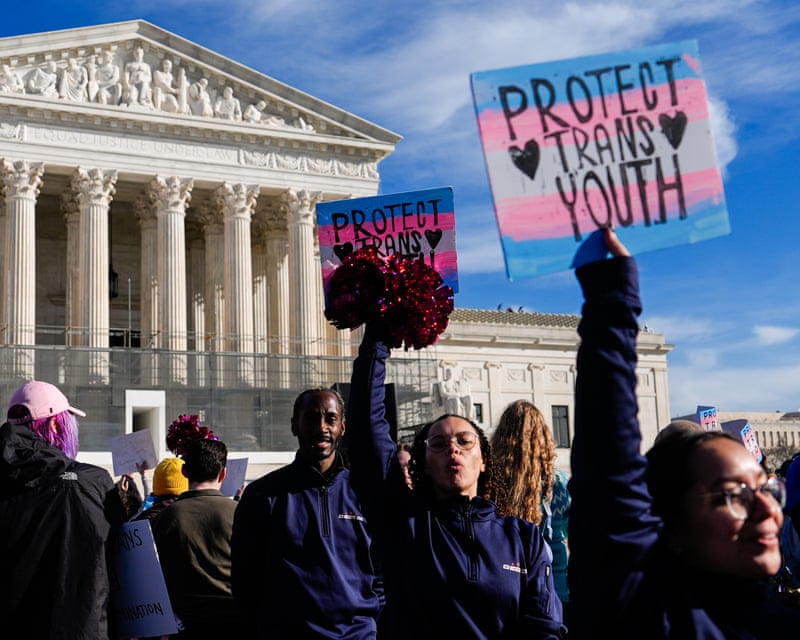
The United States Supreme Court stands at a pivotal juncture, poised to deliver rulings that could fundamentally reshape American society, immigration policy, and the landscape of civil rights. As the nation watches with bated breath, two distinct yet equally seismic issues – the future of birthright citizenship and the participation of transgender athletes in sports – demand our immediate attention. These are not merely abstract legal debates; they are questions that cut to the core of national identity, individual liberty, and the very definition of fairness in a rapidly evolving world.
At Azeem USA, we understand the profound implications of these forthcoming decisions. Our aim with this comprehensive analysis is to cut through the noise, providing you with a clear, authoritative, and forward-thinking perspective on what's at stake. We will delve into the constitutional underpinnings, the societal impacts, and the potential trajectories these rulings could set for the United States, empowering you with the knowledge to navigate this complex legal and cultural terrain.
📑 Table of Contents
1. The Weight of the Gavel: A Dual-Front Legal Battle
The Supreme Court's current term is culminating in a series of highly anticipated decisions, with two particular cases drawing immense national and international scrutiny. While seemingly disparate, the challenges to birthright citizenship and the legal arguments surrounding transgender athletes in competitive sports both represent critical junctures in American jurisprudence. Each case presents complex constitutional questions, deeply held moral convictions, and significant practical ramifications for millions of individuals and the nation as a whole.
These cases underscore the Supreme Court's enduring role as the ultimate arbiter of constitutional meaning and societal values. The decisions rendered will not only settle specific legal disputes but will also establish precedents that could guide policy and public discourse for generations. Understanding the foundational arguments and potential outcomes for each issue is crucial for any engaged citizen seeking to comprehend the evolving legal landscape of the United States.
The Court's consideration of these matters reflects broader cultural and political shifts occurring across the country. Debates over immigration enforcement, national sovereignty, individual rights, and gender identity have intensified in recent years, pushing these contentious issues to the forefront of the legal system. The Supreme Court's eventual pronouncements will undoubtedly reverberate through legislative chambers, statehouses, and communities from coast to coast.
Unpacking the Supreme Court's Docket
The Court’s docket is a reflection of the nation's most pressing legal and social challenges. While the specifics of the cases related to birthright citizenship and transgender athletes may vary, they generally involve interpretations of constitutional amendments, federal statutes, and the balance of power between federal and state governments. The justices are tasked with applying established legal principles to novel situations, often in the absence of clear historical precedent, making their deliberations particularly impactful and closely watched by legal scholars and the general public alike.
2. Birthright Citizenship: A Constitutional Cornerstone Under Scrutiny
At the heart of the birthright citizenship debate lies the Fourteenth Amendment to the U.S. Constitution, ratified in 1868 in the aftermath of the Civil War. Its first sentence declares: 'All persons born or naturalized in the United States and subject to the jurisdiction thereof, are citizens of the United States and of the State wherein they reside.' For over a century, this clause has been widely interpreted to guarantee citizenship to nearly everyone born on U.S. soil, regardless of their parents' immigration status. This interpretation has been a foundational element of American identity, fostering integration and stability for generations.
However, this long-standing interpretation has faced renewed challenges, primarily from those who argue that the phrase 'subject to the jurisdiction thereof' was never intended to apply to children of undocumented immigrants or temporary visitors. Proponents of this revised interpretation suggest that the clause was specifically designed to grant citizenship to formerly enslaved people and exclude individuals who owed allegiance to foreign powers, such as Native American tribes at the time. This debate centers on the 'original intent' of the amendment's framers and its applicability in a modern context marked by complex global migration patterns.
A ruling that reinterprets or narrows the scope of birthright citizenship would have monumental consequences. It could create a class of individuals born in the U.S. but without citizenship, raising profound questions about their legal status, access to education, healthcare, and other fundamental rights. Such a decision would not only disrupt current immigration norms but also potentially destabilize millions of families and ignite fierce legislative battles over who qualifies as an American citizen.
The "Subject to the Jurisdiction Thereof" Clause
The precise meaning of 'subject to the jurisdiction thereof' is the linchpin of the current legal challenge. While some argue it merely excludes foreign diplomats and invading armies, others contend it means owing full allegiance to the U.S. and not merely being present on its soil. Historically, courts have largely affirmed the broader interpretation. Any shift from this established understanding would represent a significant departure from decades of legal precedent and societal practice, fundamentally altering the pathway to citizenship for future generations born within U.S. borders.
3. Transgender Athletes: Navigating Fairness and Inclusion in Sports
The issue of transgender athletes in competitive sports has become one of the most contentious social and legal debates of our time, culminating in cases now potentially reaching the Supreme Court. At its core, this controversy grapples with the delicate balance between inclusion, fairness, and the biological realities of sports competition. Advocates for transgender inclusion emphasize the importance of allowing transgender individuals to participate in sports consistent with their gender identity, citing principles of equality, mental health benefits, and the right to participate free from discrimination.
Conversely, critics, particularly those concerned with women's sports, argue that allowing transgender women (who were assigned male at birth) to compete against cisgender women undermines fair competition and the integrity of women's athletic categories. They often point to biological differences, such as bone density, muscle mass, and lung capacity, which they contend provide an inherent athletic advantage that hormone therapy may not fully mitigate. These concerns are amplified in sports where physical strength and endurance are paramount, leading to calls for separate categories or different eligibility criteria.
The legal arguments often revolve around Title IX of the Education Amendments of 1972, which prohibits sex-based discrimination in federally funded education programs and activities. While Title IX was originally designed to ensure equal opportunities for women, its application to gender identity is now a subject of intense legal interpretation. State legislatures across the country have also weighed in, passing a flurry of laws to restrict or ban transgender athletes from competing in sports categories that align with their gender identity, setting the stage for federal court challenges and potentially Supreme Court intervention.
The Evolving Landscape of Sports Policy
Sports governing bodies, from the NCAA to international federations, have struggled to establish consistent and equitable policies, often revising guidelines as scientific understanding and societal norms evolve. The Supreme Court's involvement could provide much-needed clarity, or conversely, further complicate an already intricate issue. A ruling could either affirm the rights of transgender athletes to compete or uphold restrictions based on biological sex assigned at birth, with profound implications for sports at all levels, from youth leagues to collegiate competition.
4. The Ripple Effect: Societal and Political Consequences
The Supreme Court's decisions on birthright citizenship and transgender athletes will extend far beyond the immediate legal outcomes, sending profound ripples through the societal and political fabric of the United States. A ruling against birthright citizenship, for instance, could immediately impact millions of individuals currently living in the country, potentially creating a significant stateless population and exacerbating social tensions. It would force a re-evaluation of national identity, citizenship pathways, and the very definition of who belongs in America, sparking intense debate over legal immigration and border security.
Similarly, a definitive ruling on transgender athletes will have significant cultural and political ramifications. If the Court upholds bans or restrictions, it could be seen as a setback for LGBTQ+ rights, potentially emboldening further legislative efforts to limit transgender participation in public life. Conversely, a ruling favoring inclusion could lead to increased acceptance and protection for transgender individuals, but might also intensify criticisms from those concerned about competitive fairness, particularly in women's sports. These decisions will undoubtedly fuel ongoing culture wars, influencing electoral politics and shaping the platforms of political parties for years to come.
Beyond the immediate policy shifts, these rulings will inevitably influence public discourse and social norms. They will challenge Americans to confront deeply held beliefs about identity, belonging, and justice. The way these issues are framed and debated in the aftermath of the Court's decisions will play a crucial role in shaping future legislative efforts, advocacy campaigns, and the broader trajectory of civil rights in the U.S. The decisions could either unify or further polarize a nation already grappling with significant internal divisions.
Precedent, Policy, and Public Opinion
The Supreme Court's role is not just to interpret law but also to set precedent. The legal reasoning behind these decisions will be scrutinized by scholars, lawyers, and policy-makers, influencing how future cases are argued and decided. Furthermore, public opinion, while not directly dictating judicial outcomes, often reacts strongly to such landmark rulings, which in turn can galvanize social movements and political action. The interplay between legal precedent, subsequent policy formulation, and the evolving tides of public sentiment will determine the long-term impact of these monumental judicial pronouncements.
5. Azeem USA's Forward Look: Preparing for a New Legal Era
As the U.S. Supreme Court prepares to issue its highly anticipated rulings on birthright citizenship and transgender athletes, the nation stands on the cusp of a new legal era. These decisions are not merely isolated legal pronouncements; they represent fundamental shifts that will redefine core aspects of American identity, individual rights, and societal structures. Regardless of the specific outcomes, the legal landscape will undoubtedly be altered, necessitating a proactive and informed approach from individuals, organizations, and policymakers alike.
For Azeem USA, our commitment remains to provide insightful analysis and a forward-thinking perspective on these critical developments. We recognize that understanding the nuances of these rulings, their immediate implications, and their long-term effects is paramount for informed citizenship and strategic planning. These decisions will test the resilience of democratic institutions and the commitment to constitutional principles, demanding careful consideration and thoughtful engagement from all stakeholders.
The path forward will require adaptability and a deep understanding of legal precedent and its societal applications. Whether the Court affirms existing interpretations or introduces new legal frameworks, the impact will necessitate ongoing dialogue, potential legislative responses, and continued advocacy. Azeem USA will continue to monitor these developments closely, offering expert analysis to help our readers comprehend the complexities and prepare for the changes ahead.
Navigating the Post-Ruling Environment
In the wake of these landmark decisions, navigating the post-ruling environment will be crucial. This involves not only understanding the legal text but also anticipating the practical challenges and opportunities that will emerge. Businesses may need to re-evaluate HR policies, educational institutions may revise athletic guidelines, and communities may grapple with new definitions of belonging and fairness. Azeem USA is dedicated to equipping our audience with the knowledge and context needed to successfully navigate these profound legal and social transformations, fostering an informed public ready for the future.
🔥 Stay informed with Azeem USA for expert analysis on these critical Supreme Court rulings and their lasting impact.
Conclusion
The forthcoming Supreme Court rulings on birthright citizenship and transgender athletes are set to be among the most impactful of our time, shaping the very foundation of American law and society. These decisions will not only address specific legal questions but will also reflect and influence the nation's ongoing dialogue about identity, equality, and justice. As we await these pivotal pronouncements, it is essential for all citizens to remain informed and engaged.
The future trajectory of civil rights, immigration policy, and the integrity of sports hangs in the balance. Azeem USA will continue to provide comprehensive analysis and actionable insights, ensuring our readers are well-equipped to understand and respond to the evolving legal landscape that these landmark rulings will undoubtedly usher in. The journey ahead promises to be transformative, and informed vigilance will be key.
❓ FAQ
What is birthright citizenship?
Birthright citizenship is the legal principle that grants citizenship to nearly everyone born within a country's borders, regardless of their parents' nationality or immigration status. In the U.S., it is primarily established by the first sentence of the Fourteenth Amendment to the Constitution.
What is the 14th Amendment's role in birthright citizenship?
The 14th Amendment states, 'All persons born or naturalized in the United States and subject to the jurisdiction thereof, are citizens of the United States.' This clause has been widely interpreted to guarantee birthright citizenship, though its precise scope is now being challenged.
Why are trans athletes a Supreme Court issue?
The participation of transgender athletes, particularly transgender women in women's sports, has become a legal issue due to concerns over fairness, competitive equity, and the interpretation of anti-discrimination laws like Title IX. State laws restricting trans athletes have led to court challenges, potentially escalating to the Supreme Court.
What are the potential impacts of a ruling against birthright citizenship?
A ruling against birthright citizenship could create a class of individuals born in the U.S. but without citizenship, leading to profound questions about their legal status, access to services, and the rights of millions of families. It would also fundamentally alter U.S. immigration policy and national identity.
How might these rulings affect civil rights in the US?
Both rulings carry significant implications for civil rights. A change to birthright citizenship could impact the rights of immigrant communities, while a decision on trans athletes will directly affect LGBTQ+ rights and gender equality, potentially setting precedents for future civil rights protections or limitations.
Comments
Post a Comment