
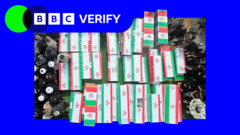
The recent escalation of conflict in the Middle East has brought forth deeply concerning reports of significant loss of life, with initial assessments indicating thousands killed in the ongoing hostilities involving Iran. These events cast a long shadow over regional stability and raise critical questions about the human cost of geopolitical disputes.
This post aims to dissect the complexities surrounding this crisis, focusing on the challenges inherent in obtaining accurate casualty figures and understanding the broader implications for international relations and humanitarian concerns. We will explore the factors contributing to the difficulty in reporting and what this means for our understanding of the conflict's true scale.
📑 Table of Contents
1. Understanding the Scope of the Conflict
The unfolding situation presents a grim picture, with reports suggesting a substantial death toll emerging from the US-Israeli actions against Iran. The intensity and scale of these operations necessitate a close examination of their impact on civilian populations and critical infrastructure. Understanding the strategic objectives behind these actions is crucial, but equally important is acknowledging the immediate human consequences.
The geopolitical landscape of the Middle East is exceptionally volatile, and any significant military engagement carries the potential for widespread disruption. The reported thousands killed underscore the severity of the current crisis and highlight the urgent need for de-escalation and diplomatic solutions. The long-term effects of such conflict extend far beyond immediate casualties, impacting economies, social structures, and the psychological well-being of entire populations.
The human cost of escalation
The most profound and immediate consequence of any armed conflict is the loss of human life. When casualty figures reach into the thousands, as suggested in reports concerning Iran, it signifies a catastrophic event with deep and lasting repercussions for families and communities. The psychological trauma and societal disruption caused by such widespread loss are immeasurable.
2. The Challenge of Casualty Reporting
Obtaining accurate and verifiable casualty figures in conflict zones is notoriously difficult, and the situation surrounding Iran appears to be no exception. Experts highlight that a combination of factors, including government restrictions, media blackouts, and the very nature of active combat, significantly hamper reporting efforts. This creates a significant information vacuum, making it challenging to grasp the true extent of the human tragedy.
The deliberate control of information by state actors, coupled with the inherent dangers faced by journalists and aid workers on the ground, means that initial reports are often incomplete or subject to revision. The reliance on secondary sources or unverified claims can lead to misinformation, further complicating the global understanding of the conflict's impact. This underscores the critical importance of independent verification and robust investigative journalism, even when such efforts are fraught with peril.
Navigating the information blockade
Governments involved in or affected by the conflict often impose strict controls on media access and the flow of information. This can be for strategic reasons, to manage public perception, or to prevent the dissemination of information deemed detrimental to their interests. For independent observers and international bodies, these restrictions present a formidable barrier to assessing the ground reality and confirming casualty numbers.
3. Regional and Global Ramifications

The consequences of a major conflict involving Iran ripple far beyond its immediate borders, impacting the delicate balance of power across the Middle East. Such events can trigger broader regional instability, potentially drawing in other actors and exacerbating existing tensions. The economic implications are also significant, with disruptions to trade routes, energy supplies, and global markets being a distinct possibility.
Internationally, the conflict raises serious concerns about global security and the adherence to international law. The potential for humanitarian crises necessitates a coordinated response from international organizations, focused on providing aid, facilitating de-escalation, and advocating for peaceful resolutions. The global community faces the challenge of responding effectively to such complex situations while navigating intricate diplomatic relationships.
Geopolitical shifts and alliances
Major conflicts in the Middle East often lead to significant shifts in regional alliances and influence. The actions taken and their perceived outcomes can reshape diplomatic relationships, strengthen or weaken existing partnerships, and potentially lead to new geopolitical alignments. Monitoring these shifts is crucial for understanding the evolving dynamics of the region.
4. The Role of Information and Media
In times of conflict, the role of media and the free flow of information become paramount, yet also incredibly vulnerable. As highlighted by reporting challenges, internet and media restrictions can severely limit the ability of the public, both domestically and internationally, to access accurate news. This control over narratives can shape perceptions and influence the global response to the crisis.
The reliance on fragmented information and the potential for propaganda necessitate a critical approach to news consumption. Independent journalism, though often operating under extreme duress, plays a vital role in providing a more complete picture. Supporting and protecting journalists in conflict zones is therefore not just a matter of press freedom, but a crucial element in ensuring accountability and informed global dialogue.
Censorship and its consequences
When information is suppressed or heavily controlled, it becomes difficult to ascertain the truth about events on the ground. This censorship can lead to a lack of public awareness regarding the severity of a crisis, hinder humanitarian efforts, and prevent the international community from holding responsible parties accountable. The ethical implications for both those who censor and those who are censored are profound.
5. Looking Towards Future Stability
The path forward from such a devastating conflict requires a multifaceted approach centered on de-escalation, humanitarian aid, and robust diplomatic engagement. Rebuilding trust and fostering dialogue between involved parties will be essential for preventing future escalations and ensuring long-term stability in the region. The international community must play a constructive role in supporting these efforts.
Addressing the root causes of conflict, promoting economic development, and ensuring respect for human rights are critical components of any lasting peace strategy. The focus must shift from the immediate aftermath of hostilities to building resilient societies capable of withstanding future pressures. The lessons learned from this crisis should inform a more proactive and preventative approach to international relations.
The imperative for peacebuilding
The ultimate goal must be the establishment of sustainable peace. This involves not only the cessation of hostilities but also the active process of reconciliation, justice, and the creation of political and economic systems that benefit all citizens. Peacebuilding is a long-term endeavor that requires commitment from all stakeholders.
🔥 Stay informed on critical global events and their impact.
Conclusion
The reported thousands killed in the US-Israeli conflict involving Iran represent a profound human tragedy, underscoring the devastating consequences of geopolitical tensions. The significant challenges in reporting casualties due to widespread restrictions highlight the critical need for transparency and independent verification in conflict zones.
As the situation evolves, it is imperative for the global community to prioritize de-escalation, humanitarian support, and diplomatic solutions. Understanding the complexities of information control and the far-reaching ramifications of such conflicts is crucial for fostering a more stable and peaceful future for the region and beyond.
❓ FAQ
What is the reported scale of casualties in the conflict involving Iran?
Initial reports suggest thousands have been killed in the recent hostilities.
Why is it difficult to get accurate casualty figures?
Reporting is hampered by government and media restrictions, internet blackouts, and the inherent dangers of covering active combat zones.
What are the broader implications of this conflict?
The conflict carries significant regional and global ramifications, including potential instability, economic disruption, and humanitarian crises.
How does information control affect our understanding of the conflict?
Restrictions on media and internet access limit the flow of accurate information, making it challenging to grasp the true extent of the crisis and potentially influencing global perceptions.
What is needed to move towards stability?
De-escalation, humanitarian aid, robust diplomatic engagement, and addressing the root causes of conflict are essential for long-term stability and peacebuilding.
Comments
Post a Comment